
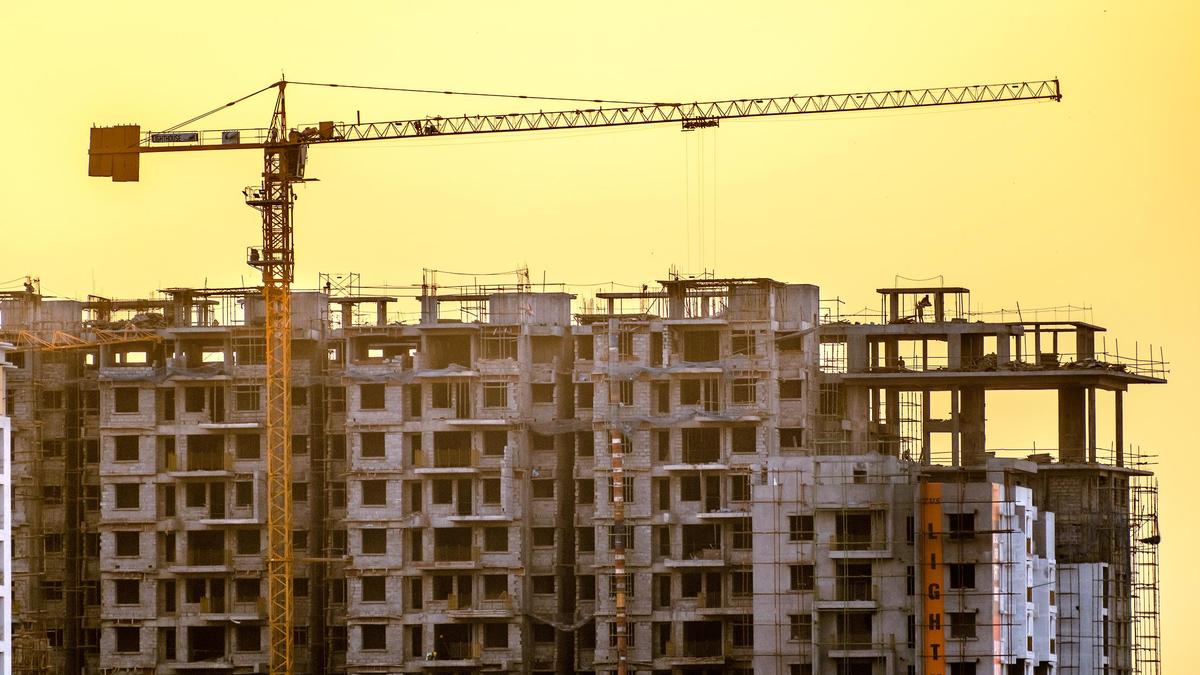
The ongoing conflict in West Asia is starting to impact construction costs within India's real estate sector, as industry experts predict a potential increase of 5% in expenses if hostilities continue through April. The rising prices of construction materials, driven by geopolitical tensions, are creating apprehensions about the future of real estate development in the region. With crude oil prices surging from under $70 per barrel in February to over $110-120 in March, the effects are felt across various sectors, including steel and petrochemicals, which are essential for construction.
Harshavardhan Neotia, Chairman of Ambuja Neotia Group, emphasized that this situation is instigating a "classic cost-push cycle". The immediate repercussions are becoming evident, particularly in the costs associated with steel and logistics. Sushil Mohta, President of CREDAI West Bengal and Chairman of Merlin Group, echoed these concerns, indicating that if the conflict persists, construction schedules will face significant delays due to shortages of building materials. Such disruptions could lead to a swift uptick in construction costs, impacting both current projects and future pricing strategies.
The ramifications of this escalating crisis extend beyond immediate cost increases. Mohta cautioned that a protracted conflict could stifle India's overall economic performance, adversely affecting the real estate market, which relies heavily on robust economic conditions. Higher costs, coupled with sluggish sales and leasing activity, could create a challenging environment for developers and investors alike. On the ground, construction steel prices have already witnessed a dramatic rise, with reports indicating a surge of 20% in certain markets. Meanwhile, cement prices have remained relatively stable, yet demand pressures are mounting.
Real estate firms are closely monitoring these developments. Mahesh Agarwal, Managing Director of Purti Realty, noted that while his company has yet to raise prices, the situation remains fluid, and input costs in areas such as energy and materials pose significant challenges. Additionally, rating agency ICRA has identified geopolitical issues in West Asia as a key factor influencing bitumen prices, which are expected to affect the operating profitability of construction companies. ICRA's projections suggest a decline in operating margins for the infrastructure sector in the coming fiscal years, underscoring the financial pressures that may arise from ongoing geopolitical instability. As the industry adapts to these challenges, maintaining transparency and stability for customers becomes increasingly critical.