
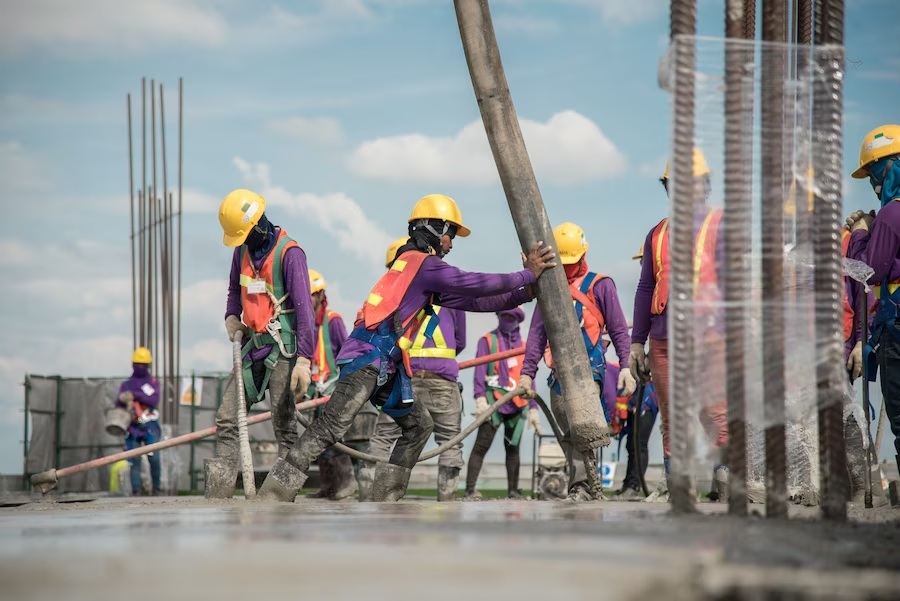
In Mumbai, the bustling financial hub of India, labour reforms are poised to revolutionize the real estate landscape. The recent changes in labour laws aim to formalise wage structures, enhance safety standards, and streamline documentation processes. While these reforms may initially lead to an increase in labour costs, the long-term benefits promise a more structured and accountable construction environment, which is crucial for the sector's growth. Developers are optimistic that these changes will lead to predictable project timelines and improved construction quality, ultimately benefiting consumers and investors alike.
The implications of these labour reforms extend beyond mere regulatory adjustments; they represent a fundamental shift in how construction projects are managed in India. By establishing clear guidelines for wages and safety, these reforms will protect the rights of workers, many of whom have historically operated in precarious conditions. For developers, this means a move away from relying on an informal workforce, which has often resulted in delays and disputes. Instead, the reforms are expected to foster a more reliable and efficient construction process, where all parties adhere to defined norms and standards.
Moreover, the transition to a more formalised workforce will have a significant impact on project planning and execution. With the introduction of fixed working hours and standardised wage structures, the industry will likely experience improved worker morale and productivity. This shift is essential for reducing hidden project delays and enhancing the quality of workmanship across various initiatives. As developers adapt to these new regulations, they will be better equipped to meet buyer expectations for timely and high-quality deliveries.
The labour reforms also signify a long-overdue recognition of the invaluable contributions made by construction workers, many of whom are migrants. These individuals have been the backbone of India's construction sector, often working under challenging conditions without proper documentation or safety measures. By introducing stricter safety norms and clearer employment terms, the reforms aim to create a more equitable working environment, ensuring that workers receive the recognition and protection they deserve.
In conclusion, while the initial impact of India's labour reforms may manifest as an increase in costs, the potential for smoother project execution and enhanced quality of construction cannot be overlooked. As the real estate sector evolves in response to these changes, stakeholders must embrace the long-term benefits that come with structured processes and a committed workforce. This transformative phase in India's labour landscape holds the promise of a more robust and sustainable real estate market for years to come.