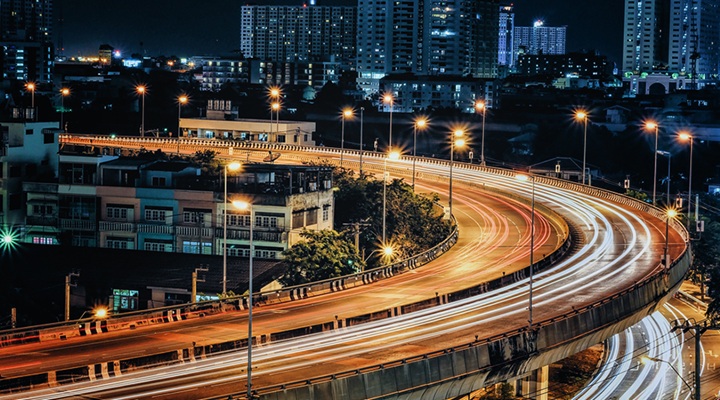
Mumbai, a bustling metropolis, serves as a backdrop to the ongoing discussions surrounding municipal elections and the Union Budget in Pune. The upcoming municipal elections in Pune and Pimpri-Chinchwad are pivotal for shaping the infrastructure and housing landscape of these cities. Voter participation in these elections will not only influence local governance but also directly affect housing affordability, urban development, and the overall quality of life for millions of residents looking for stability and growth in their living conditions. Meanwhile, the anticipation of the Union Budget brings heightened expectations from the real estate sector, particularly concerning the prioritization of affordable housing and urban infrastructure projects.
Pune and PCMC are experiencing rapid growth, yet the benefits of this expansion are not uniformly distributed. While new office towers and luxury developments are emerging, many areas still struggle with basic public services. This disparity raises concerns about equitable development in a city that attracts a diverse population seeking job opportunities and improved living standards. The decisions made in the upcoming elections will play a critical role in addressing these inequalities and ensuring that all residents can enjoy the advantages of urban progress.
A significant focal point in this discussion is Hinjawadi, an area known for its IT industry but historically plagued by poor infrastructure. Previously administered by multiple authorities, Hinjawadi faced challenges such as inadequate civic services and severe waterlogging issues. The recent merger of Hinjawadi with PCMC aims to enhance governance and streamline service delivery. However, the success of this initiative hinges on the effective management of local resources and the commitment of elected officials to prioritize infrastructure development.
As the Pune Metropolitan Region Development Authority (PMRDA) addresses the pressing issue of unauthorized constructions obstructing natural water channels, the need for sustainable and planned urban development becomes increasingly apparent. The decisions made during the municipal elections combined with the allocations in the Union Budget will have lasting implications on how Pune evolves as a city. Stakeholders from the real estate sector are keenly observing these developments, recognizing that the right political and budgetary decisions can catalyze significant growth in the real estate market, benefiting both developers and residents alike.
In conclusion, the confluence of municipal elections and the Union Budget presents a unique opportunity for Pune to redefine its urban narrative. As citizens prepare to cast their votes, the collective focus on infrastructure improvement and affordable housing will determine the city's trajectory for years to come. Voter engagement and responsible governance are essential to ensure that Pune continues to thrive as a vibrant urban center that meets the needs of all its inhabitants.