


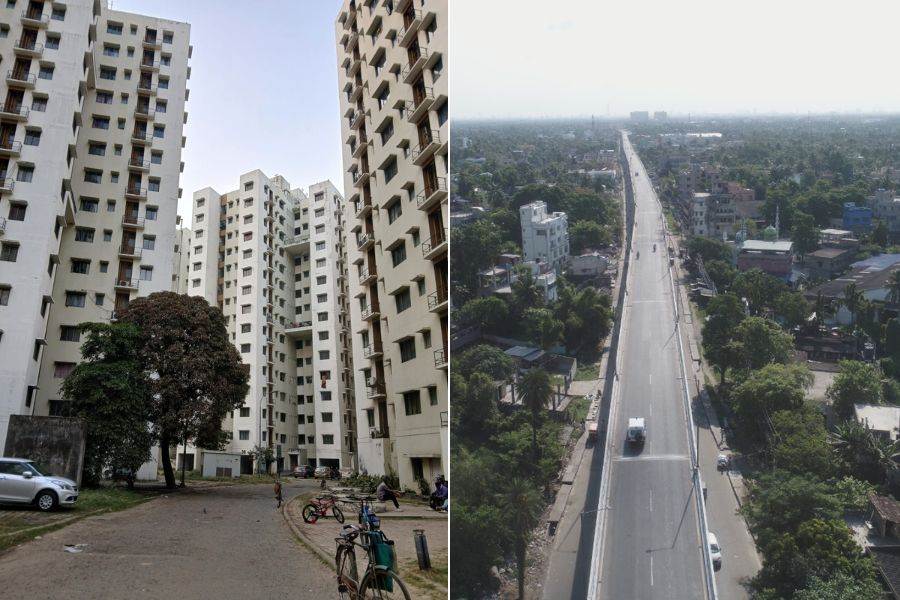
Calcutta Riverside, a grand vision for residential development in Bengal, encompassed an expansive 262 acres along the banks of the Ganges in Batanagar. Envisioned by a consortium of six esteemed architects, the project was lauded for its ambitious scale and innovative design. It was positioned not only as a significant addition to the region’s real estate landscape but also as a model for future urban development in West Bengal. The project sought to merge architectural excellence with functional urban planning, aiming to create a self-sustained township that would elevate the living standards of its residents while enhancing the overall aesthetic of the area.
Despite the project's initial promise, Calcutta Riverside encountered insurmountable challenges, primarily related to road connectivity. The region's infrastructure posed significant hurdles, prompting extensive discussions with the West Bengal government about potential solutions. Various options were evaluated, including a costly monorail system, but ultimately, an elevated road was deemed the most feasible solution. This decision, made during the Left Front government’s tenure, was intended to ease congestion and provide reliable access to the township. However, following a shift in political power to the Trinamool Congress in 2011, the fate of the project took an unexpected turn.
In 2012, the project received official sanction, and a tender was issued in 2013, which was subsequently won by a partnership between L&T and Riverbank Developers. The construction of the elevated road commenced, but in March 2018, a pivotal decision by the government reversed previous commitments regarding tolling policies. This abrupt change created a ripple effect of complications that undermined the entire project, culminating in its eventual abandonment. The retraction of the tolling agreement severely impacted the financial viability of the infrastructure that was essential for the township's success, leaving investors and stakeholders grappling with the fallout.
The story of Calcutta Riverside serves as a poignant reminder of the complexities involved in large-scale real estate ventures, particularly those reliant on governmental support and infrastructural investment. Conversations with industry experts, such as Sumit Dabriwala, former managing director of Riverfront Developers, highlight the ambitious vision that once promised to transform Batanagar. The combination of visionary planning and esteemed architectural involvement created a project that, while ultimately unsuccessful, remains a significant chapter in the narrative of Bengal’s real estate development. As the region continues to evolve, lessons learned from the Calcutta Riverside saga may inform future initiatives aimed at balancing ambition with practical execution.

