
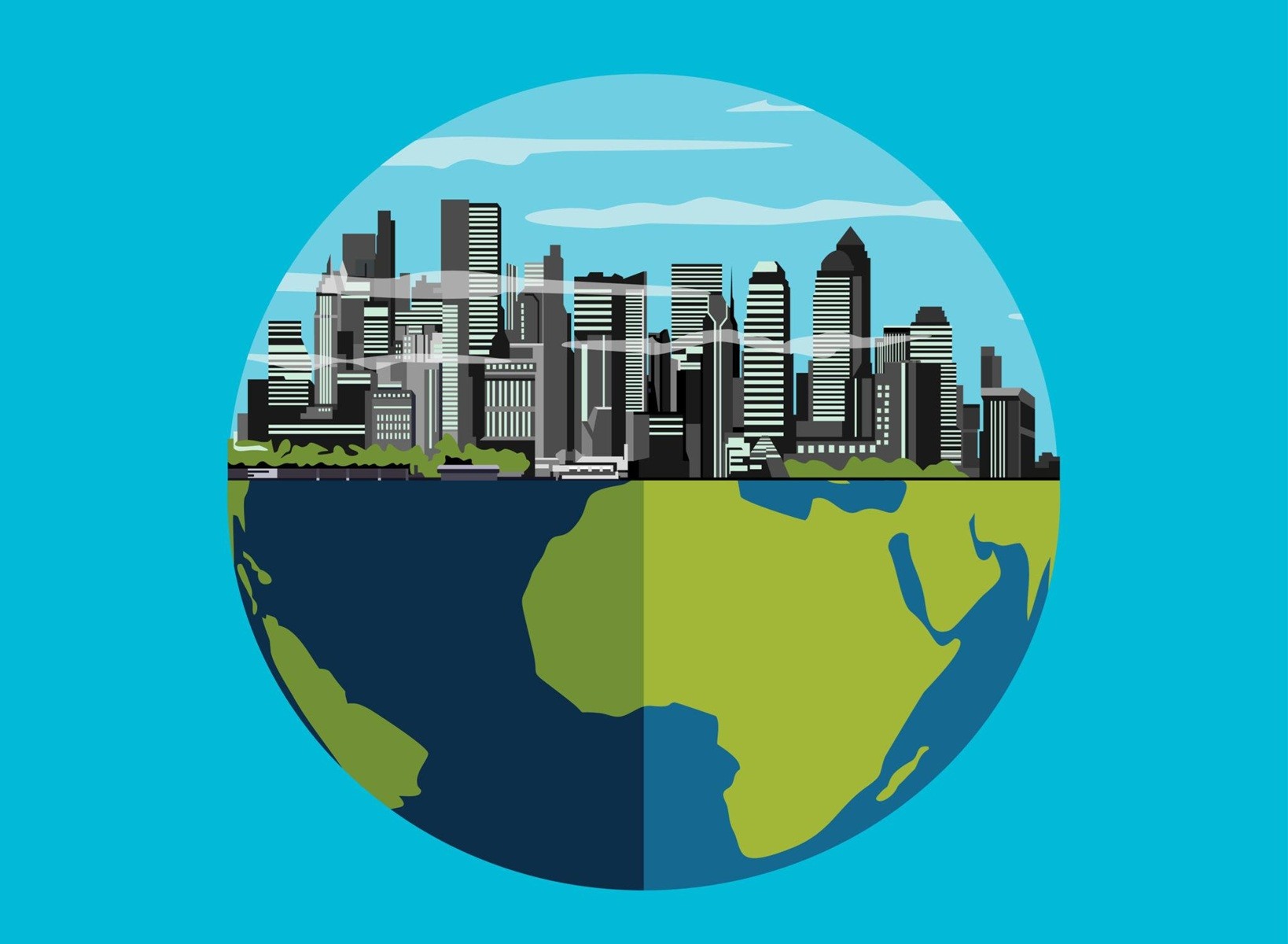
COVID messed up more than the housing market. It has transformed the way property is valued, built, financed and lived in in the UK, US, Australia, Europe and the Gulf.
The largest difference was how many people wanted to buy homes. Before the pandemic, premium urban real estate was exceedingly expensive, as being adjacent to office districts, public transportation, and city amenities drove up prices and rental demand. The elements that made flats in central London, Manhattan, Sydney CBD and Dubai Marina so valuable were how easy it was to get to and connect to other locations.
COVID altered that mentality.
As more people work from home or in a hybrid style, buyers began to focus more on space than location. “People started to want bigger homes, homes in the suburbs, villas, homes that were good for home offices, homes that had balconies, homes that were close to open spaces. This had a direct effect on pricing trends. Often, marketplaces in the suburbs and on the periphery of cities did better than markets in the midst of cities.
In the US, single-family houses and build-to-rent communities attracted a lot of investor attention, particularly in the fast-growing regions around New York, Texas and California. In the UK and Europe, purchasers were looking for more value per square foot; therefore, commuter belts, outlying boroughs and regional cities became more popular. “A lot of people moved to Sydney and Melbourne for lifestyle reasons, which increased demand in the suburbs and along the coast.
The Gulf real estate market responded by changing what it sold. Developers in Dubai, Abu Dhabi and Riyadh are increasingly focusing on villas, townhouses and master-planned mixed-use communities that offer homes, stores, wellness centres and schools all in one area.
The commercial real estate market also changed dramatically. Leasing office space in commercial districts throughout the world decreased as companies cut back on space and migrated to more flexible offices. This made it tougher for secondary office buildings to remain idle and forced landlords to reposition buildings according to quality, health and sustainability.
The growth of e-commerce greatly impacted retail property. Meanwhile, logistics and warehousing assets became a lot more valuable as more people purchased products online and supply chains required more of them.
Later, mortgage rates rose, and products became less affordable. This impacted the volume of transactions and returns on investment.
The real estate industry is no longer solely about location. Today, the value is determined by how well the asset performs, how easy it is to use, the demand for tenants and how reliable its revenue will be over the long term.
The COVID pandemic didn’t stop the real estate market. It changed the rules forever.