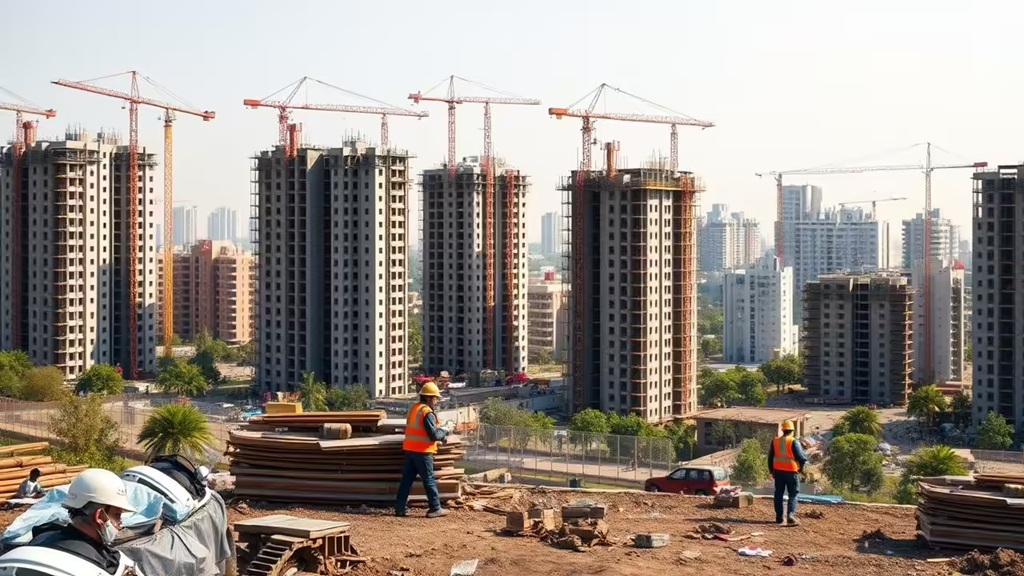
Hyderabad's skyline has long represented the aspirations of its residents, but recent reforms by the Telangana government are set to redefine this narrative. The issuance of G.O.Ms. No. 95 marks a significant shift in urban planning, focusing on the integration of inclusivity, efficiency, and environmental sustainability into the development process. This comprehensive reform of Transferable Development Rights (TDR) is not just a mere adjustment in policy; it symbolizes a foundational change aimed at aligning growth with the needs of a diverse population in a city where land is a limited resource.
Historically, real estate development in Hyderabad has faced challenges stemming from regulatory constraints and escalating land prices, often resulting in quality housing becoming increasingly unattainable for the middle class. The recent adjustments to TDR norms aim to mitigate these issues by introducing more flexible building regulations. According to Vijaysai Meka, President of Naredco Telangana, these reforms unlock value for developers while simultaneously benefiting homebuyers and landowners, paving the way for a more equitable real estate market. The reclassification of high-rise buildings, now defined as those 21 metres and above, aligns with contemporary construction practices and opens avenues for mid-rise projects, particularly on plots ranging from 750 to 2000 square meters. This segment is vital for middle-income housing, and the capacity to develop structures up to 21 metres through TDR utilization is anticipated to enhance supply in well-connected urban areas.
Industry representatives, including Gummi Ram Reddy, President Elect of Credai National, emphasize the substantial implications of these reforms for potential homebuyers. The relaxation of setback requirements through TDR allows developers to maximize land use, leading to more efficiently designed apartments and potentially lowering prices. In an environment where every square foot is valuable, such regulatory flexibility is expected to have a direct impact on housing affordability, making it easier for the average citizen to secure a home in the city.
Moreover, the government's strategy to improve liquidity and project viability is commendable. By permitting staggered TDR compliance—allowing 50 percent compliance during the approval phase and the remaining balance before occupancy—the policy alleviates financial pressures on developers. This approach is likely to enhance project timelines and reduce risk, contributing to a more stable property market. Beyond economic considerations, these reforms indicate a commitment to sustainable urban growth. With Hyderabad's core areas facing significant demand and planning challenges, the introduction of a tiered TDR loading system is poised to facilitate a more structured approach to vertical growth, ultimately fostering a more livable and inclusive urban environment.