Tejashwi Yadav Criticises Amit Shah Over Bihar Development Remark
Published on 23 Oct 2025, 02:31 AM
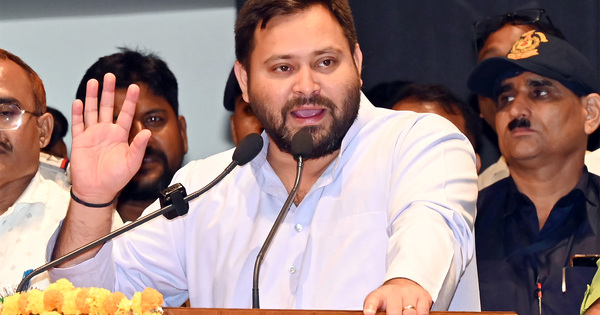
Recently, the political landscape in Bihar witnessed a clash of words between RJD leader Tejashwi Yadav and Union Home Minister Amit Shah regarding industrial development in the state. Tejashwi Yadav, known for his sharp criticism, didn't hold back in calling out Shah's remarks as mere excuses that no longer hold water with the people of Bihar. Shah's statement about land shortage hindering the establishment of large-scale industries in Bihar didn't sit well with Tejashwi, who believes that the promises made by politicians should be substantial and achievable.
Tejashwi Yadav's stance reflects the sentiment of many Biharis who have grown weary of empty promises and seek tangible progress and development in the state. The political discourse revolving around industrial growth in Bihar highlights the aspirations of the people for a better future and improved economic prospects.
Amit Shah's vision of positioning Bihar as a hub for AI and software industries, contingent upon the return of the NDA to power, underscores the importance of industrialization in driving economic growth and creating job opportunities. However, Tejashwi Yadav's skepticism towards such promises stems from the disillusionment caused by past unfulfilled commitments and the perceived stagnation in Bihar's industrial sector.
Shah's critique of former Bihar CM Lalu Yadav's tenure and its purported impact on the state's reputation and industrial landscape adds another layer to the ongoing political discourse. The blame game surrounding the decline of industries in Bihar during previous administrations points to the complex interplay of political decisions, economic policies, and historical legacies that shape the state's development trajectory.
As Bihar gears up for upcoming elections, the debate on industrial development serves as a crucial talking point for politicians vying for power. The electorate, cognizant of the challenges facing the state, will scrutinize the proposed agendas and promises put forth by different parties, weighing them against the backdrop of Bihar's socio-economic realities.
In conclusion, the clash between Tejashwi Yadav and Amit Shah regarding industrial development in Bihar underscores the significance of economic growth and job creation in shaping the state's future. The divergent viewpoints and political rhetoric surrounding this issue reflect the complexities of governance and policy-making in a state striving for progress and prosperity. It remains to be seen how these debates will influence the electoral outcomes and ultimately impact the lives of the people of Bihar.