
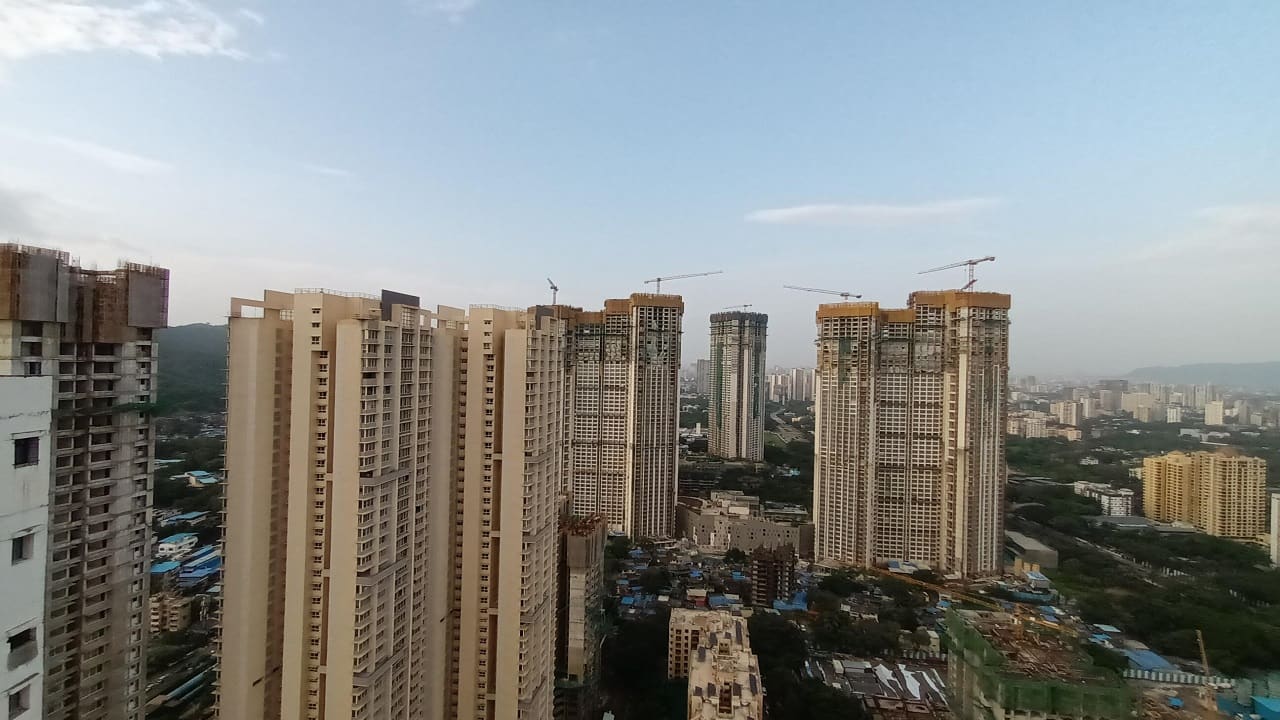
Mumbai, one of India's financial powerhouses, has witnessed a significant shift in its real estate landscape, reflecting a broader trend across major metros. In the July-September quarter of 2025, housing prices soared by 7-19%, driven by robust demand from end-users, particularly in the premium segment. An analysis by PropTiger.com reveals that this surge is influenced by elevated input costs and a limited supply of quality, ready-to-move-in homes. Such dynamics underscore the growing interest in the luxury housing market as buyers seek comfort and modern amenities.
The Delhi-NCR region has emerged as a frontrunner, showcasing a staggering 19% year-on-year increase and a 9.8% quarter-on-quarter rise in property prices. The average cost per square foot jumped from Rs 7479 in Q3 2024 to Rs 8900 in Q3 2025. This upward trajectory is largely attributed to heightened demand for luxury properties and ongoing infrastructure developments in the area. The trend signifies a shift in consumer preferences towards upscale living environments that offer enhanced lifestyle options.
Bengaluru is not far behind, boasting an impressive 15% year-on-year growth and 12.6% quarter-on-quarter increase in housing prices. The average price in the city escalated from Rs 7713 per sq. ft. in Q3 2024 to Rs 8870 per sq. ft. in the same quarter of 2025. Meanwhile, Hyderabad recorded a commendable 13% year-on-year growth and 4.6% quarter-on-quarter rise, with prices moving from Rs 6858 to Rs 7750 per sq. ft. Such developments reflect a transformation in urban living, driven by emerging tech hubs and a burgeoning talent pool.
Karishmah Siingh, President of Sales, Marketing, and CRM at Sattva Group, emphasizes that the growth in Bengaluru and Hyderabad illustrates a pivotal shift in India's urban economy. The expansion of the IT and Global Capability Centers (GCC) is influencing new homeownership trends focused on proximity, lifestyle, and long-term security. Families are increasingly seeking integrated communities that enhance both their professional and personal lives, highlighting a more mature and resilient housing market.
As India's urban centers continue to evolve, the demand for thoughtfully designed neighborhoods that cater to modern living will likely persist. The real estate sector is poised for further growth as developers respond to these changing dynamics, ultimately reshaping the housing landscape across the country.