
In Mumbai, the bustling financial capital of India, the intricacies of real estate and insolvency law have taken center stage following a pivotal Supreme Court ruling. The court's decision has significant implications for builders and creditors, emphasizing that substantial completion of a real estate project cannot be used as a defense against insolvency proceedings. This ruling stems from the case of Elegna Co-op. Housing and Commercial Society Ltd. v. Edelweiss Asset Reconstruction Company Ltd., which tackled pressing questions regarding the rights of creditors and the responsibilities of developers.
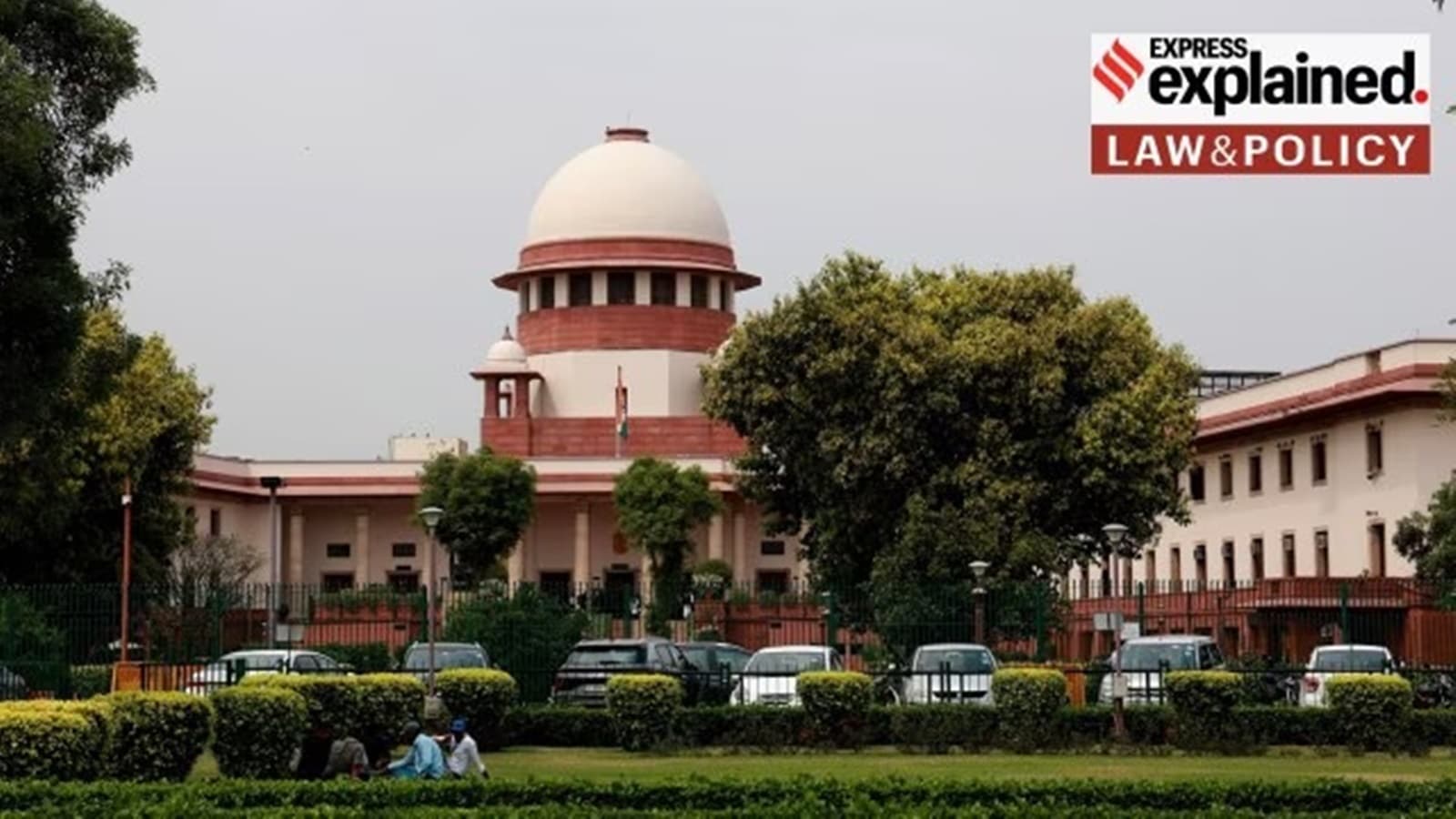
The Supreme Court, comprising Justices J B Pardiwala and R Mahadevan, clarified that when a real estate project enters insolvency, the stage of completion does not provide grounds to impede the legal process. This ruling is particularly critical in the context of the ongoing tension between a builder’s desire to protect their project and a lender’s legitimate claim to recover debts. The court's decision is a clear message that financial accountability must take precedence over claims of project viability, ensuring that the rights of creditors are upheld.
The case originated from a residential-cum-commercial project in Ahmedabad known as "Takshashila Elegna." The developer, Takshashila Heights India Private Ltd., had borrowed ₹70 crore but failed to make repayments, resulting in their account being marked as a non-performing asset. After an unsuccessful attempt to restructure the debt, Edelweiss Asset Reconstruction Company sought to initiate insolvency proceedings under Section 7 of the Insolvency and Bankruptcy Code (IBC). This section empowers financial creditors to initiate such proceedings when a default is observed.
In an initial ruling, the National Company Law Tribunal (NCLT) dismissed Edelweiss's application, citing that the project was viable and substantially complete, and that pushing the developer into insolvency would adversely affect homebuyers. However, this decision was challenged in the National Company Law Appellate Tribunal (NCLAT), which overruled the NCLT's dismissal, stating that the insolvency process must proceed. The Supreme Court later upheld this view, reinforcing the stance that completion status of a project does not exempt a builder from insolvency proceedings.
This landmark ruling not only underscores the Supreme Court's commitment to uphold creditors' rights but also serves as a crucial reminder to builders about the importance of maintaining financial discipline. As the real estate sector continues to evolve, this judgement will likely shape future negotiations and legal frameworks, ensuring that the interests of all stakeholders are balanced effectively.