
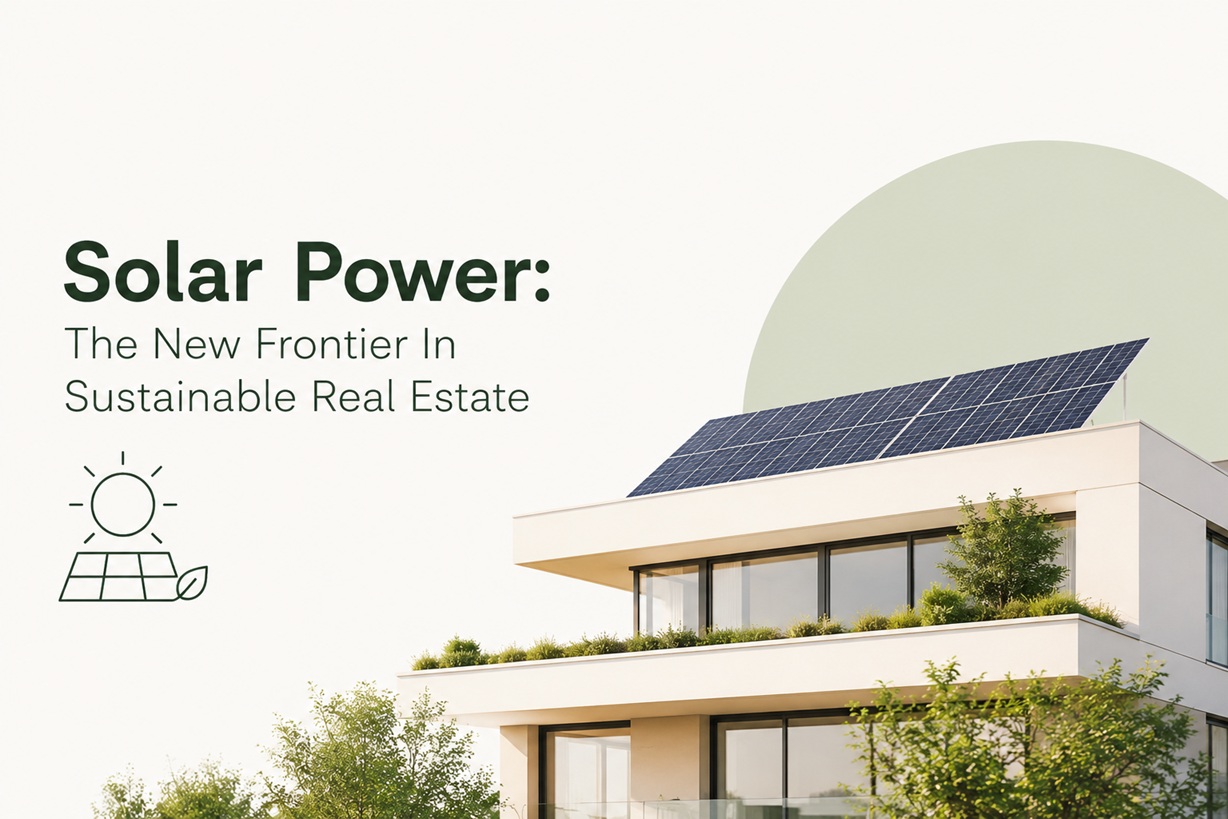
The Indian real estate market is witnessing a transformative shift, driven by an increasing emphasis on sustainability and renewable energy. Recently valued at approximately $4.1 billion, the second-home market is evolving, particularly in areas like the Delhi-Mumbai Expressway. Luxury gated farmhouse communities are gaining traction as alternatives to traditional apartment living, responding to a new generation of buyers who prioritize environmental considerations alongside location and investment potential. Current buyers are not just looking for prime real estate; they are also inquiring about groundwater management, tree cover density, and energy resilience, indicating a broader redefinition of long-term property value.
The farmhouse and plotted development segment presents a unique opportunity for integrating sustainable practices into real estate. Unlike dense apartment complexes, which often rely on certifications and ratings for sustainability, low-density communities allow for more comprehensive nature-integrated planning. Features such as Miyawaki forests, rainwater harvesting systems, and distributed solar energy solutions are not merely marketing tools; they are essential components that enhance the quality of life and operational resilience for residents. As developers embrace these sustainable practices, they find that such interventions significantly influence the long-term viability of their projects.
According to Vijay Ram Rattan, Chairman of Ram Rattan Group, there has been a marked evolution in buyer expectations. Today's consumers are informed and proactive, asking detailed questions about sustainability features such as solar infrastructure and water management systems. Rattan notes that conversations about these topics were rare just five years ago, but they have now become standard during site visits. This shift necessitates a major reconsideration in planning and development, where sustainability is integrated into the project design from the outset rather than tacked on as an afterthought.
Effective sustainability in real estate requires developers to make strategic decisions early in the planning process, including land allocation for green spaces and water recharge systems. Rattan emphasizes that a community built on responsible infrastructure tends to hold its value better through various market cycles, contrasting sharply with those that view sustainability merely as a sales tool. As the demand for sustainable living increases, these farmhouse developments are not only enhancing their own communities but also generating a new category of solar energy demand that the Indian renewable energy sector is beginning to recognize. This trend underscores the critical intersection of real estate and sustainability, marking a significant evolution in how properties are developed and valued in India.