

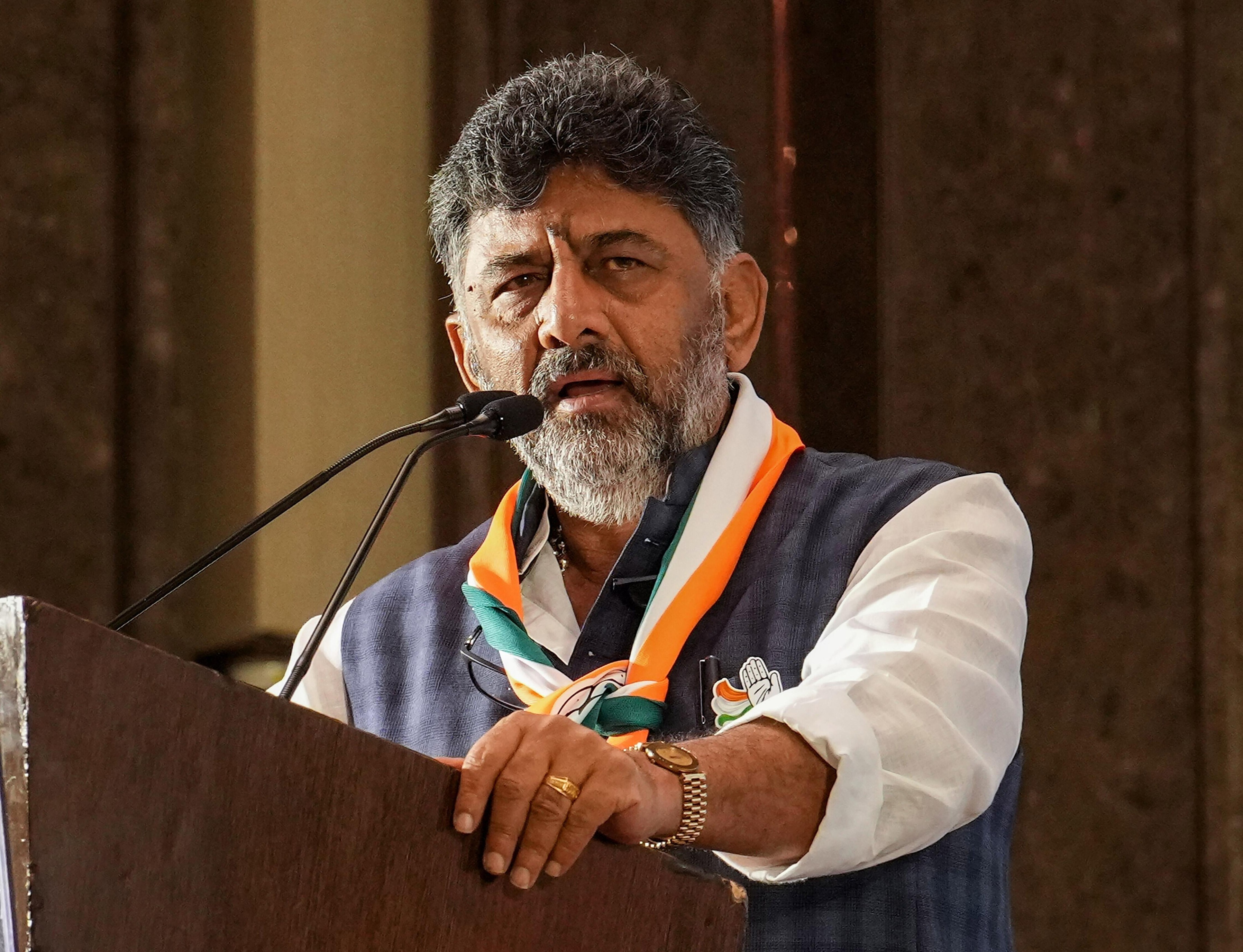
The recent appointment of D K Shivakumar as the Chief Minister of Karnataka has reignited discussions surrounding his historical ties to the real estate sector in Bengaluru. Known for his significant wealth, Shivakumar declared assets totaling Rs 1,413 crore for the 2023 Assembly elections, with a substantial portion derived from real estate investments. His relationship with prominent builders in Bengaluru has long been a topic of controversy, as critics suggest that his dual role as a businessman and public servant may lead to conflicts of interest. Despite these allegations, there have been no official investigations substantiating claims of corruption against him.
Just days after assuming office, Shivakumar was honored by the Bangalore chapter of the Confederation of Real Estate Developers of India, further emphasizing the close ties he maintains with the sector. This relationship was highlighted earlier when he attended an event in Mumbai to celebrate the listing of the Bagmane Group on the National Stock Exchange. The Bagmane Group has familial ties to Shivakumar and former Chief Minister S M Krishna. During his address, Shivakumar expressed pride in the company’s achievements, illustrating his deep-rooted connections within the real estate community.
Shivakumar's political career has not been devoid of challenges, including a notable incident in 2003 when he was the Urban Development Minister. During this period, he acquired a 4.2-acre plot of land in Benniganahalli for Rs 1.62 crore, which had already been earmarked for government housing development by the Bengaluru Development Authority. The subsequent conversion of this land for residential purposes and a co-development agreement with a private builder raised eyebrows and led to accusations of cronyism. Such past actions are likely to attract scrutiny during his tenure as Chief Minister, particularly as he seeks to navigate potential anti-incumbency challenges in the next election cycle.
As Shivakumar embarks on his term as Chief Minister, he faces a dual mandate: to deliver on the promises he made to the electorate and to manage perceptions surrounding his business interests. His actions will be closely monitored, not only for policy decisions affecting the state but also for any signs of ethical conflicts arising from his extensive real estate connections. With the Karnataka assembly elections approaching in 2028, how he addresses these challenges will significantly influence his political legacy and the public's trust in his leadership.