In Mumbai, one of India's most bustling metropolitan cities, the demand for energy continues to escalate, putting immense pressure on the existing electricity infrastructure. The energy shortfalls faced during peak hours highlight the urgent need for sustainable energy solutions. India experienced a staggering shortfall of over 8 billion units in 2023 alone, which underscores the necessity for innovative approaches to energy management. As urbanization progresses, with predictions indicating that over 600 million people will reside in Indian cities in the forthcoming years, the shift towards more sustainable energy practices is not just beneficial, but imperative.
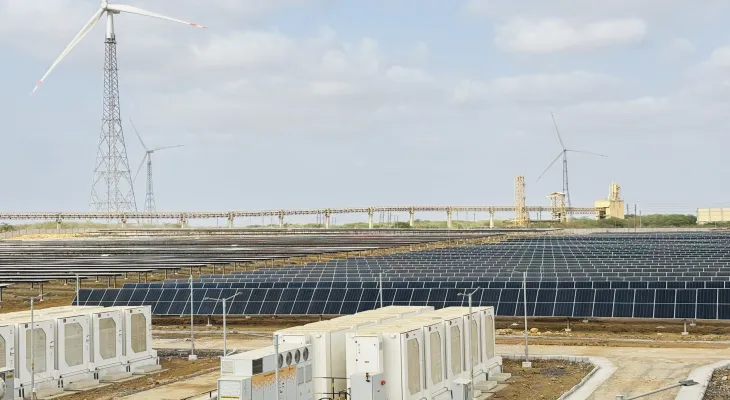
Smart Energy Storage Systems (ESS) are emerging as pivotal players in this transformation. These systems are designed to store excess electricity, particularly from renewable sources like solar power, and release it during peak demand periods. This not only ensures a consistent power supply but also significantly reduces electricity bills by 20-30%, while contributing to a decrease in carbon emissions. With the Indian energy storage market projected to reach 50 GW by 2030, incorporating ESS into the real estate sector is becoming essential for developing smart and sustainable buildings across the country.
Historically, the Indian real estate market has depended heavily on centralized power grids, which are increasingly proving inadequate due to rapid urban growth and outdated infrastructure. The unpredictable nature of renewable energy sources has further exposed the vulnerabilities of this model. As a result, there is an urgent need for a more resilient energy framework that aligns with modern urban demands. Smart ESS presents a transformative solution by empowering building owners to generate, store, and manage their own energy, thereby providing them with greater control over their power supply.
The integration of Smart Energy Storage Systems into real estate not only addresses immediate energy challenges but also facilitates a broader transition towards cleaner and smarter urban environments. By reducing reliance on traditional power grids and promoting self-sufficiency, India’s real estate sector can contribute significantly to the nation’s goal of generating 50% of electricity from non-fossil fuels by 2030. This is a crucial step in moving towards a sustainable future, where energy management is both efficient and environmentally responsible.
In conclusion, as cities like Mumbai continue to expand, the adoption of Smart Energy Storage Systems in real estate development will be critical. These systems not only enhance energy efficiency but also support the broader sustainability goals of India, making them an indispensable element in the future of urban living.