
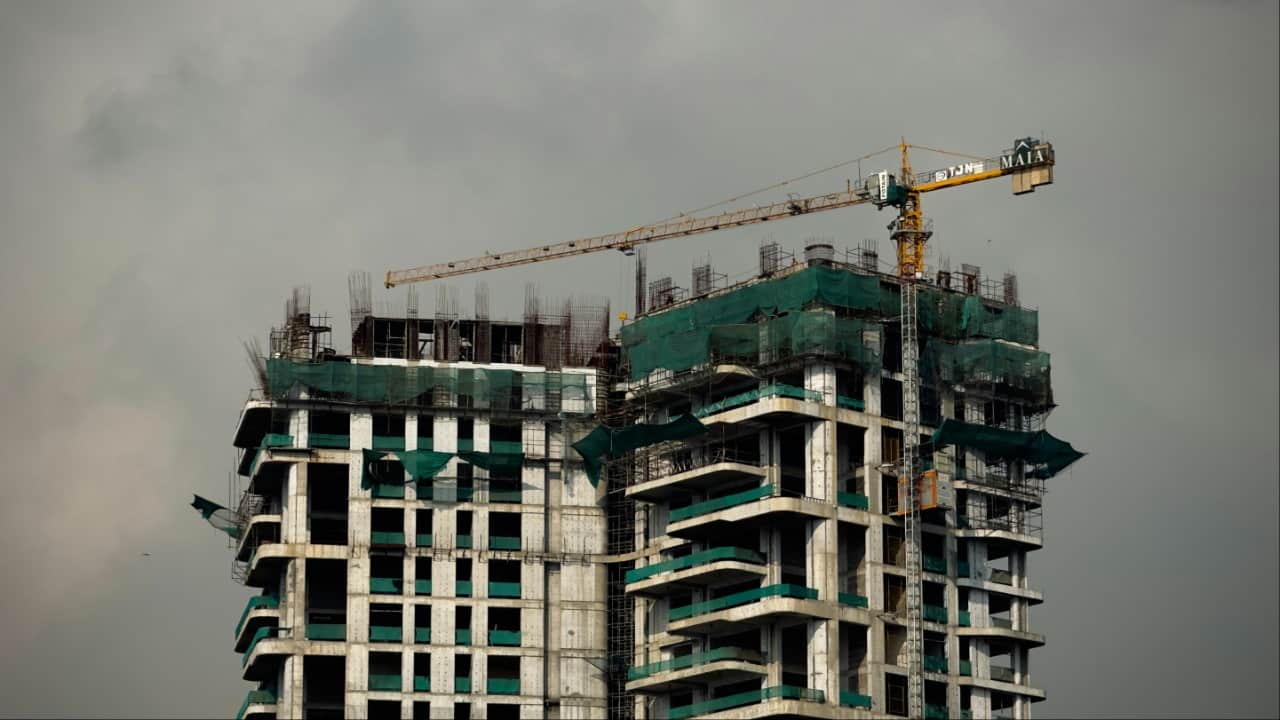
In the vibrant city of Mumbai, the real estate landscape has long been a source of both opportunity and challenge. The sector, encompassing both residential and commercial properties, has faced significant hurdles for stakeholders including creditors, homebuyers, and developers. The introduction of the Insolvency and Bankruptcy Code (IBC) was seen as a beacon of hope, offering a structured, time-bound framework aimed at maximizing asset value and facilitating the recovery of distressed entities. However, the intricacies surrounding real estate insolvencies have proven to be more complex than those encountered in traditional corporate sectors, shedding light on the need for reform and adaptation within the IBC framework.
A pivotal aspect of real estate insolvency proceedings is the classification of homebuyers as financial creditors. Historically, homebuyers were not automatically recognized in this capacity, despite their substantial financial investments in projects that often faced delays or defaults. The evolving nature of the IBC has seen significant changes, particularly with the 2018 amendment to Section 5(8)(f), which now acknowledges amounts raised from allottees under real estate projects as having the commercial effect of borrowing. This amendment marks a crucial step in reinforcing the rights of homebuyers and aligning them with the interests of other financial creditors.
The 2020 amendments further refined the process by introducing a collective filing threshold, requiring a minimum of either 100 homebuyers or 10% of allottees within a project to initiate insolvency proceedings. This move aims to prevent speculative claims from diluting the intent of the IBC. The recent Supreme Court ruling in the case of Vishal Chelani & Ors. v. Debashis Nanda reinforces this position by affirming that homebuyers with decrees under the Real Estate (Regulation and Development) Act, 2016 (RERA) should not be treated differently from other financial creditors. The Court's decision underscores the importance of equal treatment and protection for homebuyers within the insolvency framework, recognizing their critical role in the real estate economy.
As the IBC continues to evolve, these judicial interpretations and legislative reforms are crucial for fostering a more transparent and equitable environment in India's real estate sector. The ongoing transformation of the insolvency landscape promises not only to safeguard the rights of homebuyers but also to enhance the overall health of the real estate market. The real estate sector stands at a transformative juncture, with the potential for a more robust recovery framework that benefits all stakeholders involved, ensuring that the complexities of insolvency are managed with fairness and efficiency.