
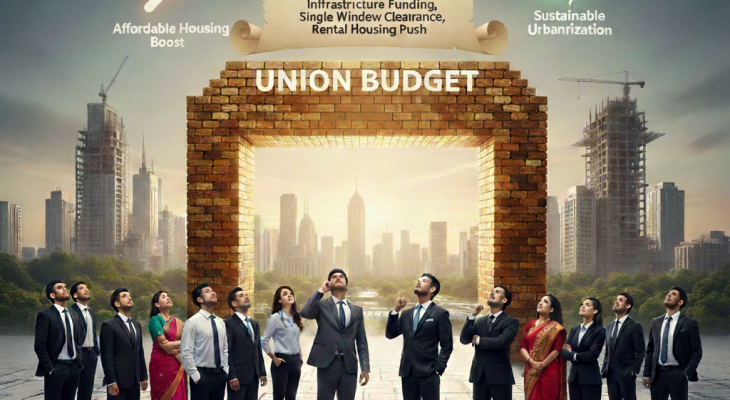
In bustling Mumbai, the heart of India's financial landscape, the upcoming Union Budget 2026-27 is poised to be a game-changer for the real estate sector. As the nation grapples with the challenges of affordability and sustainable growth, industry stakeholders are looking towards the government for decisive policy support. With the real estate market projected to reach a staggering USD 1 trillion by 2030, contributing nearly 13 percent to GDP, the sector's resilience and potential for job creation are undeniable, already supporting over 70 million livelihoods across the country.
The demand for housing has undergone a significant transformation in recent years, particularly in residential sales across key urban centers. With strong traction in premium housing and a resurgence in end-user buying, the focus is shifting towards making housing more affordable. There is a clear need for the budget to address the affordability crisis that many potential homeowners face. Key initiatives aimed at easing the financial burden on buyers, such as enhanced tax benefits and lower interest rates on home loans, could catalyze a new wave of investment in the sector.
Moreover, the importance of urban infrastructure cannot be overstated. Rajeev Juneja, President of PHDCCI, emphasizes that while infrastructure spending has seen a significant rise, systemic challenges have begun to surface. The focus must transition from mere capital expenditure to ensuring quality and longevity of infrastructure projects. Juneja argues that the budget should introduce lifecycle performance metrics to evaluate infrastructure assets, ensuring they deliver value over time and not just in the short-term.
As the Union Budget approaches, stakeholders are advocating for a holistic approach that balances financial viability with sustainability. The emphasis should not only be on creating new projects but also on maintaining existing ones to foster long-term urban resilience. The potential for Tier II cities and peripheral urban centers to emerge as new growth engines must also be recognized, as these regions are increasingly becoming hotspots for real estate development.
In conclusion, the Union Budget 2026-27 is an opportunity for the government to lay a strong foundation for the future of India's real estate sector. By prioritizing affordability, capital allocation, and urban reforms, the government can ensure that the sector continues to thrive, contributing significantly to economic growth and enhancing the quality of life for millions of Indians.