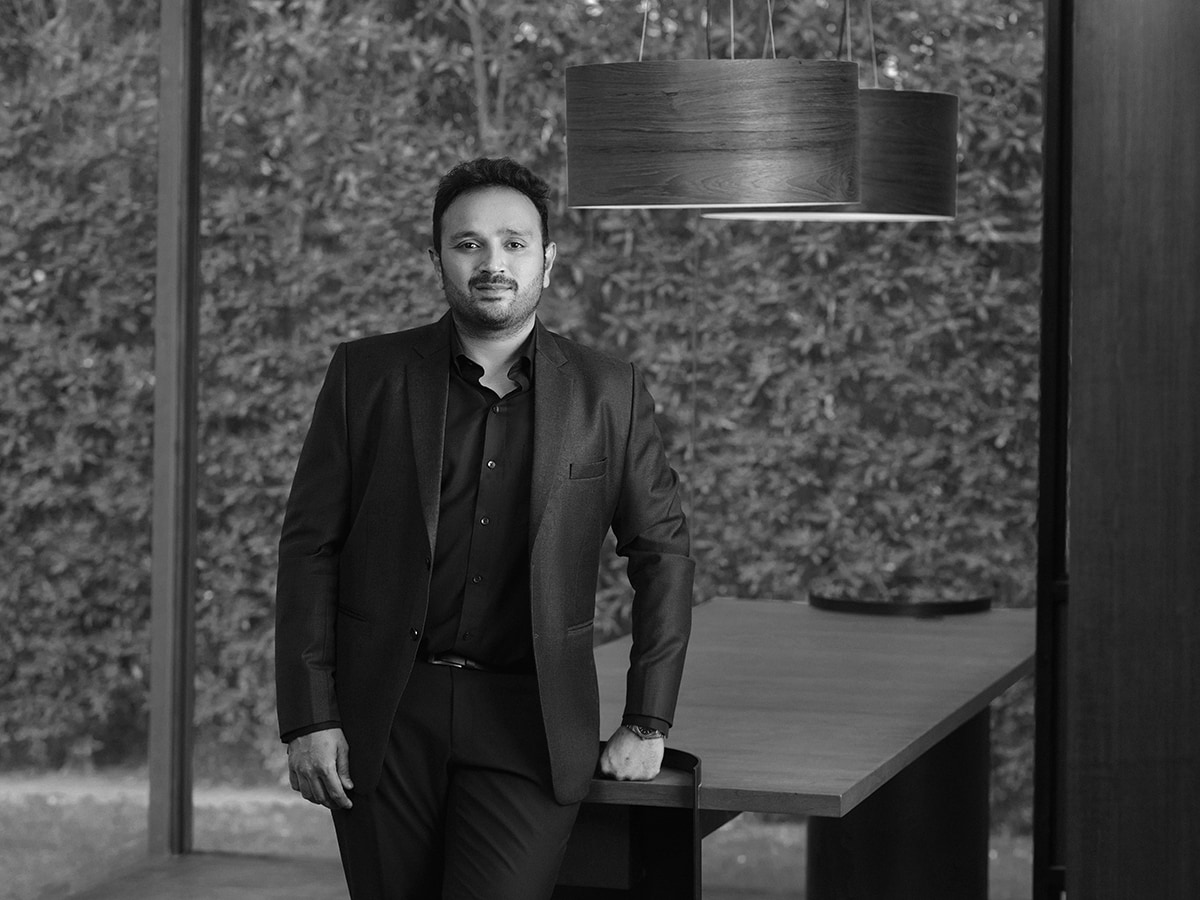
In the evolving landscape of Indian real estate, the concept of 'alpha'—the ability to outperform the market—has typically been associated with aggressive land banking and high-density vertical developments. However, as consumer preferences shift towards experiential value, the traditional commodity model is beginning to show signs of exhaustion. A notable example of this transformation is By The Waters, a 100-acre residential sanctuary in Ahmedabad's Greater Thol corridor, developed by Ishan Patel of Suryam Developers. Here, the focus on 'Design Alpha' is revolutionizing how value is assessed in real estate, steering investments away from mass-luxury commodities and towards exclusive, high-conviction assets.
Ishan Patel's approach represents a significant departure from conventional development practices. Instead of prioritizing the maximum number of units per acre, the master plan for By The Waters is deliberately limited to just 99 exclusive estates. This strategy is not merely a lifestyle choice; it is a calculated move that plays on the principles of price inelasticity. By capping supply at an extremely low level, the development fosters a structural demand-supply gap which is likely to ensure capital appreciation that consistently outpaces the broader real estate market.
"We are no longer just selling land; we are selling a legacy of space," Patel articulates. This perspective reframes the conversation from cost-per-square-foot to yield-per-experience, effectively introducing the term 'Design Alpha.' This concept encapsulates the measurable premium that discerning investors are willing to pay for projects characterized by world-class design, architectural permanence, and a unique competitive edge that is difficult for others to replicate. The emphasis on quality over quantity is reshaping the investment landscape, aligning it more closely with the preferences of sophisticated global clientele.
A standout feature of By The Waters is the 'Blue Heart,' a 72,000 sq. yd. self-sustaining waterbody engineered by the Netherlands' Witteveen+Bos. This innovative infrastructure not only enhances the aesthetic appeal of the estate but also serves as a biological climate-control mechanism, addressing the challenges posed by a volatile urban environment. In contrast to traditional amenities that may depreciate over time, this engineered ecosystem functions as a non-depreciating asset, effectively hedging against environmental uncertainties and urban volatility. As the real estate market continues to evolve, the principles of 'Design Alpha' are likely to shape future developments, prioritizing sustainability and exclusivity in a saturated market.