
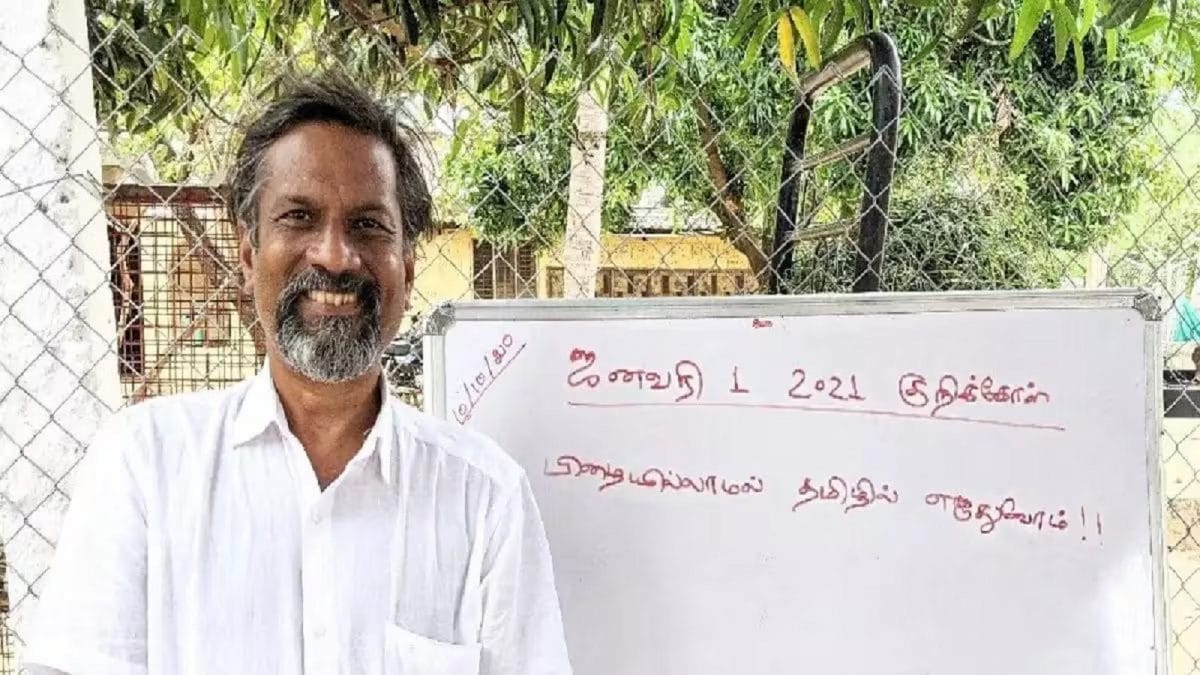
In bustling Mumbai, one of India's most vibrant cities, the soaring costs of real estate have become a pressing concern for the youth. Sridhar Vembu, co-founder of Zoho Corporation, recently highlighted the alarming impact of these high housing prices on the demographic landscape of the country. In a candid post on social media, he pointed out that the combination of expensive housing, education, and healthcare is pushing younger generations into a cycle of debt that could jeopardize their futures.
Vembu's warning is not without merit. He stated, "Expensive real estate destroys demographics. Any society that traps its young people in debt due to high costs of living is fundamentally undermining its own future. If we genuinely care about the next generation, we must advocate for a lower cost of living that enables prospective parents to thrive." This assertion resonates deeply in a country where urbanization and demand for luxury housing are driving prices to unprecedented heights.
As the real estate market in India continues to expand rapidly, projected to reach a staggering $1 trillion by 2030, the need for affordable housing has never been more critical. Vembu has consistently championed the idea of decentralized development and investment in rural economies as a solution to combat these rising costs. His latest remarks are pivotal in the ongoing discourse regarding how both governmental and private sectors can collaborate to mitigate the cost of living crisis, ensuring a sustainable demographic and economic future.
The construction sector is set for substantial growth, with an anticipated CAGR of 12.1% from 2025 to 2030. However, this growth must be tempered with strategies that prioritize the needs of the younger population. It’s essential that policymakers and industry leaders focus on creating affordable housing solutions that can alleviate the financial burdens young families face. By addressing these issues, India can foster a more balanced demographic structure that supports both growth and sustainability.
In conclusion, as urbanization continues to shape the landscape of cities like Mumbai, the conversation surrounding affordable living becomes increasingly urgent. The call to action from leaders like Vembu serves as a reminder that addressing high living costs is not just an economic necessity but a moral imperative that can safeguard the future of the nation.