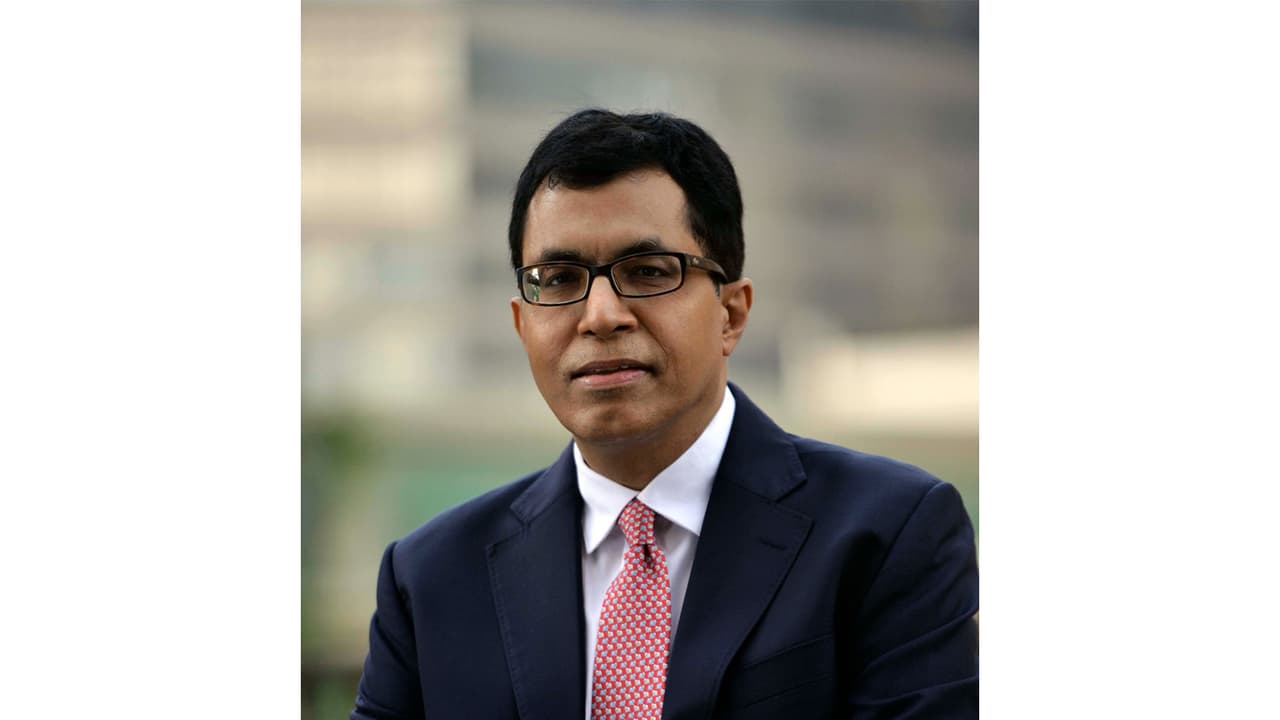
The Indian economy is currently navigating a complex landscape where the IT sector faces significant challenges, primarily due to the rapid rise of Artificial Intelligence (AI). This transformation has led to investor apprehension regarding potential job losses and the broader implications for the industry. In contrast, sectors such as real estate, automotive, and domestic pharmaceuticals are exhibiting more favorable growth trajectories. Pratik Gupta, CEO and Co-Head of Kotak Institutional Equities, shared these insights during a recent press conference held in Mumbai, where he discussed the overall economic outlook and sector-specific trends.
Gupta highlighted that while the IT services sector grapples with the disruptions caused by AI, the real estate market remains robust, buoyed by consistent demand and ongoing infrastructure projects. The automotive sector is also experiencing a healthy rebound, driven by innovations and a shift towards electric vehicles. These sectors are providing a stabilizing effect on the economy, which is particularly crucial as uncertainty looms over the IT landscape.
In contrast, the oil and gas sector is facing a more dire outlook, exacerbated by geopolitical tensions related to the Iran conflict. Concerns over rising oil prices and potential government interventions have made the sector increasingly negative. Although India possesses adequate crude oil reserves, shortages in natural gas, LPG, and CNG are becoming more pronounced. This situation highlights the interconnectedness of global events with domestic market conditions, emphasizing the need for strategic foresight in energy management.
Investor sentiment remains cautious, particularly regarding valuations in the Indian market, which many perceive as relatively high compared to other emerging markets like Japan, Korea, and China. Despite this cautious stance, there is optimism that earnings growth will rebound in the coming years. Gupta noted that the decline in India's premium relative to other emerging markets is a positive trend, suggesting a reassessment of value. Additionally, he anticipated that the ongoing conflict in Iran could impact foreign direct investment (FDI) inflows and the current account deficit due to rising prices in oil and gold. Nevertheless, strong local investment flows are expected to persist, underscoring the resilience of the Indian economy amidst these challenges.