

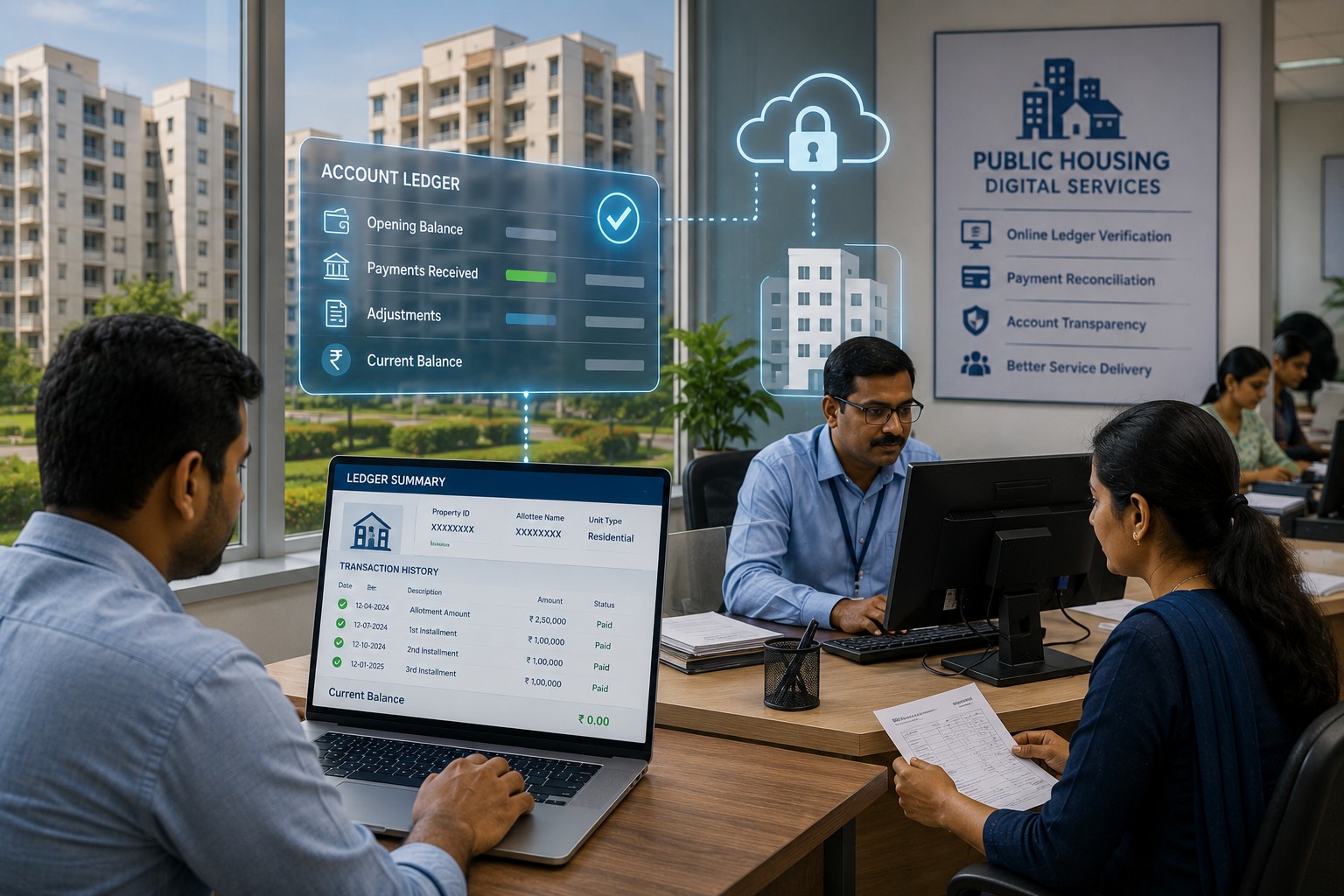
The best way to track data within the development agencies of any municipality is set through the sudden adoption of online verification guidelines. Property owners of both residential and business buildings are advised to check their account statements on one single website application by a recognized regional housing association. All the tenants, especially those under long-term leases, are able to notify the authority about any discrepancies in bills before they receive strict payment notices through this systematic digital program, which was created particularly to address common monetary accounting issues. Nevertheless, in order to save themselves from any unexpected punishment, property owners need accurate legal guidance while reviewing complicated lease contracts and previous municipal account books. In conclusion, such digital verification portals become a necessary safeguard that ensures accuracy and reliability of public transaction records.
To address complicated accounting inconsistencies and clean legacy paperwork bottlenecks, administrative offices are organizing dedicated, face-to-face reconciliation camps. Allottees encountering errors are directed to present their original paper payment receipts at regional branches to manually adjust their digital file dossiers. These progressive database overhauls highlight why modern property holders must look up foundational legal advice basics regarding statutory property dues, interest calculation clauses, and state compliance laws. For public administrative boards, deploying synchronized cloud software drastically eliminates administrative delays while protecting master registries from fraudulent payment claims. Furthermore, real-time database management ensures that finance departments and registry offices stay perfectly synchronized, dramatically accelerating standard title transfers while recovering long-overdue municipal revenues.
Securing centralized data validation channels builds an unshakeable foundation for localized market expansion and steady property value compounding. These automated digital protections shield individual owners from costly administrative disputes while injecting immense transparency into the local micro-markets. As urban housing authorities move away from outdated paper filing sheets, everyday property holders gain immediate access to secure, algorithmic account monitoring portals and public legal aid mechanisms to resolve systemic transaction disputes. Relying on integrated governance networks helps retail buyers and large asset portfolios confidently navigate expanding capital corridors, successfully choosing and executing safe property investments without encountering hidden fiscal liabilities or unexpected bureaucratic bottlenecks.

