

What Is the New Property Tax Relief Proposal in Delhi?
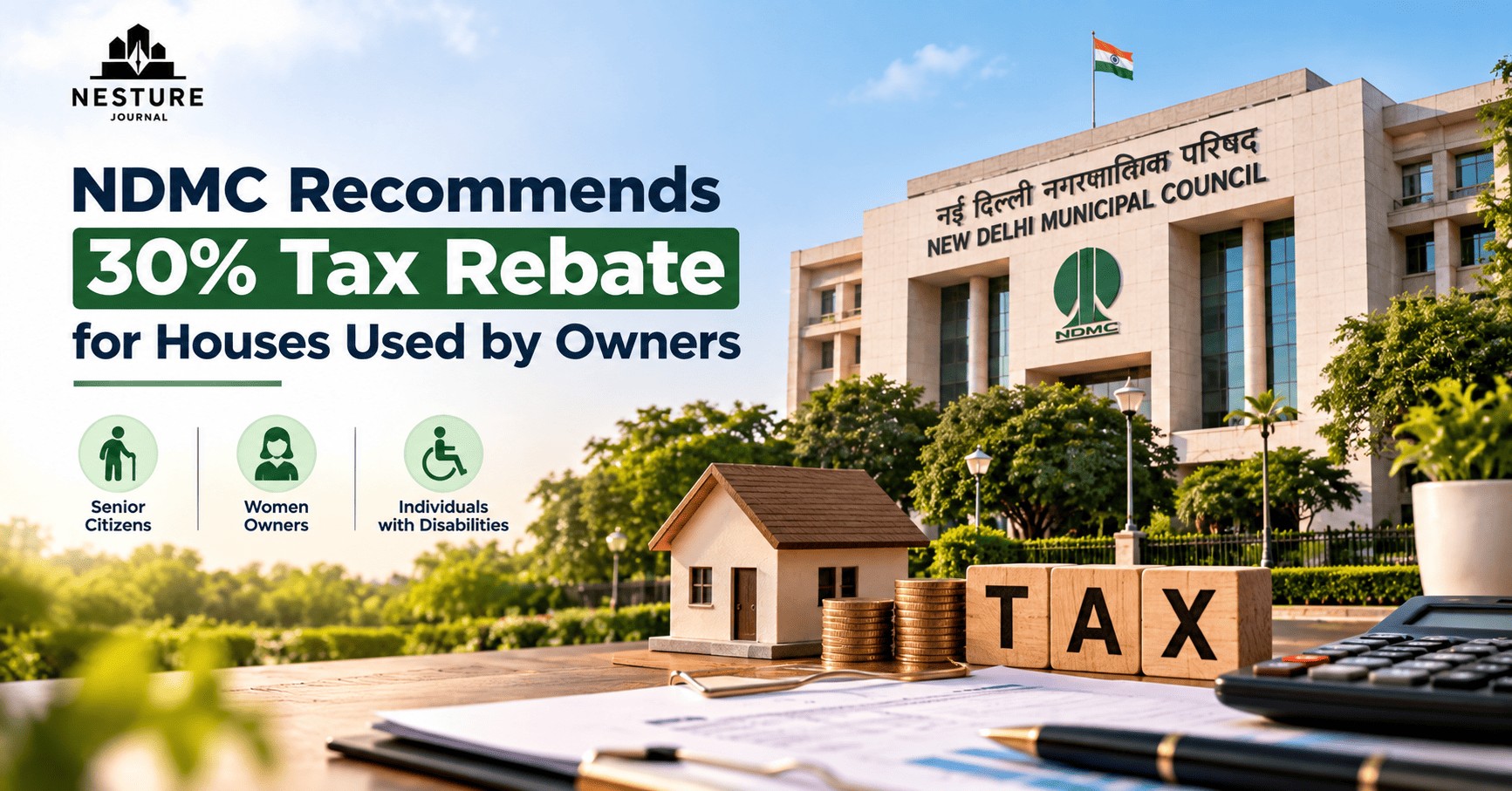
One such move that the NDMC has taken to further improve the welfare of citizens is by formulating a draft policy to make urban administration better. The new policy includes an important suggestion from the civic body which involves a 30 percent cut in property tax of self-occupied residential properties belonging to women, individuals with disabilities, and senior male citizens aged 65 and above. This is a beneficial policy for houses having a maximum of 100 square meters of constructed land. This particular policy falls under the ambit of the Jan Vishwas Act of 2026, as stated in the submitted article.
How Will the Unit Area Method Simplify Future Tax Calculations?
With the aim of doing away with the rateable value method, the local authorities are considering implementing the Unit Area Method (UAM). Under this tax scheme, the calculation of property taxes takes into account factors such as the age of the building, size of the property, width of the nearby street, and local rates. Taxpayers may choose to pay their taxes either at once or in four quarterly instalments. People who pay their taxes for the whole year before June 30 would receive a 15% reduction under the proposal described in the source. The stated aim is to establish a computerized system with fewer errors.
What Positive Transformations Can Residents Expect Next?
The tax reform is described as a major milestone for commercial districts and residential societies, addressing long-standing operational issues and promoting transparency in municipal processes. The submitted article states that public consultation is expected to conclude on October 23, after which the proposal would go to the legislature for approval. If approved, a Municipal Valuation Committee would be established to review base values in the area every three years, potentially supporting investment confidence in the Delhi-NCR region.
Summary
NDMC has proposed a 30% property-tax rebate for eligible self-occupied homes and is considering the Unit Area Method for calculating property tax. The proposal remains subject to the stated approval process.

