
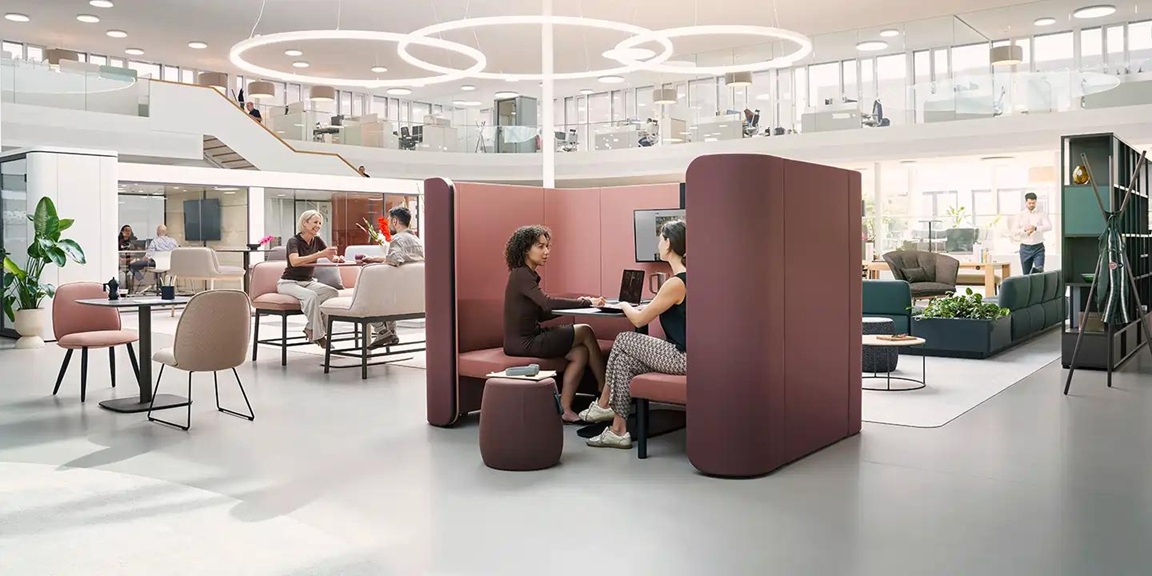
The landscape of commercial real estate in India has undergone significant transformation, particularly with the rise of co-working spaces. Traditionally, commercial assets were constructed, leased to a limited number of tenants, and retained for consistent long-term returns. However, this conventional model is being challenged as businesses reassess their spatial needs, commitment durations, and team locations. Co-working spaces have emerged not merely as a temporary solution but as a viable alternative to traditional office setups. In fact, the Indian office market has demonstrated resilience, with a reported gross leasing volume of approximately 22 million square feet in the first quarter of 2026, marking a 13% increase from the same period the previous year. This uptick indicates strong demand across various sectors, as noted by Manas Mehrotra, Founder of 315Work Avenue.
As more organizations embrace flexible work models, the demand for co-working spaces has evolved significantly. A notable trend is the increasing presence of Global Capability Centres (GCCs), which provide a stable and long-term occupier base for flexible workspaces. These companies are not merely seeking temporary seating arrangements; rather, they prefer managed office facilities that can be scaled quickly and are equipped with robust infrastructure. This evolution has enabled co-working operators to enhance their offerings, creating premium facilities tailored for enterprise clients. Consequently, these centers can command higher rental rates than standard office spaces, resulting in increased profitability for property owners. Furthermore, the strong occupancy rates in major urban areas highlight a persistent demand for flexible working environments, especially in cities with well-established business ecosystems.
From an investment perspective, co-working assets present distinct advantages, particularly in terms of cash flow diversification. Unlike traditional commercial properties that rely heavily on a few major tenants with long-term leases, co-working spaces cater to a diverse range of tenants across various industries and sizes. This diversification can significantly enhance profitability, especially when the property is situated in a prime location and operated by a reputable management team. Effective utilization of space through additional services and increased seating capacity can also drive revenue growth. However, the revenue from co-working spaces can be variable, unlike the more stable income streams generated by fixed-lease properties. Therefore, investors must assess performance over a more extended period rather than evaluating it at a single instance.
It is crucial to note that investing in co-working spaces requires a more engaged and hands-on approach compared to traditional office investments. The selection of a competent operator is paramount; a well-managed space can maintain high occupancy rates and favorable rental prices, while poor management can adversely affect returns, even in prime locations. Consequently, investors must conduct thorough due diligence before committing to co-working investments, as these factors can significantly influence overall performance and profitability in this evolving real estate segment.