
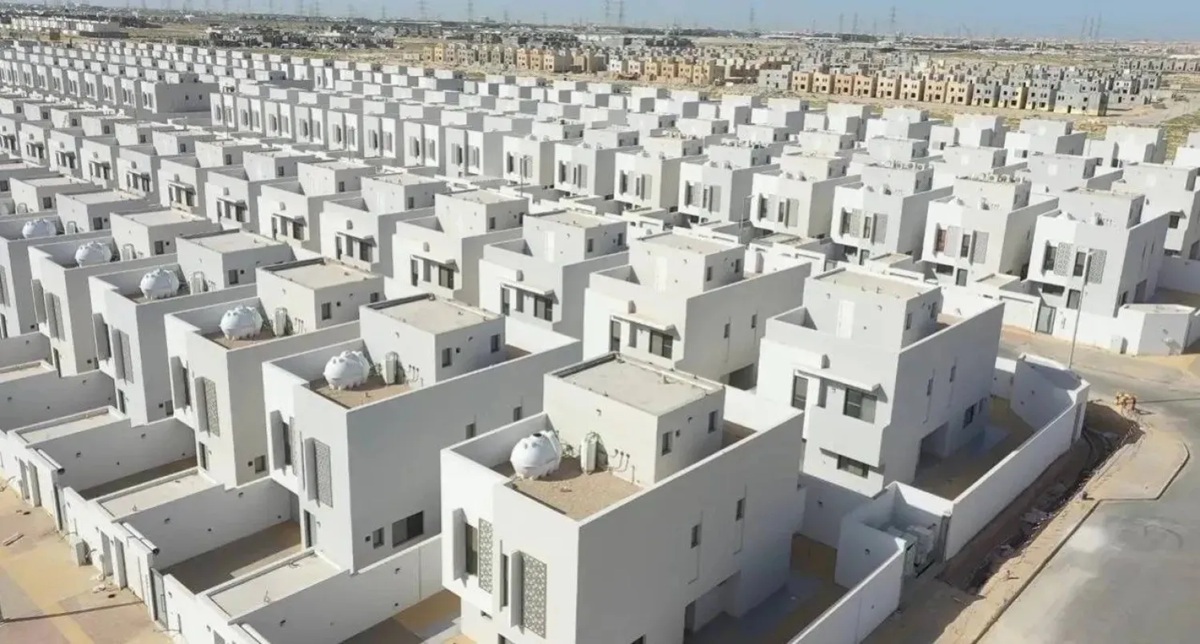
In a recent panel discussion at the 4th edition of the Public Investment Fund (PIF) Private Sector Forum, Majed Al-Hogail, the Minister of Municipalities and Housing, underscored the pivotal role that the municipal and housing sectors play in enhancing the quality of life in the Kingdom while simultaneously attracting investment. The session, titled 'When the government works to support businesses,' served as a platform for the minister to outline the ministry's five strategic pillars. These pillars focus on improving urban environments, fostering a conducive business climate, promoting sustainability, and achieving strategic objectives with greater efficiency.
Al-Hogail elaborated on the interconnectedness of the municipal sector and private enterprises, emphasizing the significance of effective regulatory frameworks and operational standards. He revealed that the ministry has allocated 12 out of 29 key services across major cities, achieving 40 percent of its goal to eventually cover 70 percent. The minister also highlighted the necessity of transparency in investment procedures, ensuring that the rights of all stakeholders involved in the municipal sector are protected.
Furthermore, the minister pointed out the vast scope of the municipal sector, which currently encompasses over seven million workers and approximately 970,000 establishments across 2,450 professions. He affirmed that providing advanced data management services to the private sector is a priority, aimed at delivering added value and supporting future operations effectively. Turning to the housing sector, Al-Hogail noted its complete privatization concerning development, value chains, and financing. The General Authority for Real Estate plays a crucial role in formulating legislation and regulatory frameworks while integrating digital solutions to enhance operational flexibility and align with Saudi Vision 2030.
Al-Hogail mentioned the 'Fursah' platform, which now boasts over 180,000 investors and contracts totaling more than SR13 billion, primarily involving micro, small, and medium-sized enterprises. The ministry is transitioning from traditional to large-scale implementation contracts with strategic partners to ensure higher service quality and optimal resource utilization. During 2025, over 190 contracts related to park development were signed, generating a financial impact exceeding SR1.5 billion, all aimed at enhancing quality of life and stimulating investment. The minister conveyed that the investment landscape is evolving, with direct investment opportunities in the non-developmental municipal sector projected to exceed SR130 billion by 2030 and overall investment opportunities surpassing SR250 billion. These opportunities span diverse business categories and services, reflecting a robust commitment to fostering growth and enhancing the living conditions for residents in the Kingdom.