
Mumbai, one of India's largest metropolises, has recently experienced a notable improvement in housing affordability, according to the latest findings from Knight Frank India. Despite the ongoing challenges faced by buyers in other regions, particularly in Delhi-NCR, Mumbai's EMI-to-income ratio has decreased to 47%, indicating a more favorable environment for potential homeowners. This shift is particularly significant, given that a ratio below 50% is considered affordable for most households, making homeownership more accessible in this bustling city.
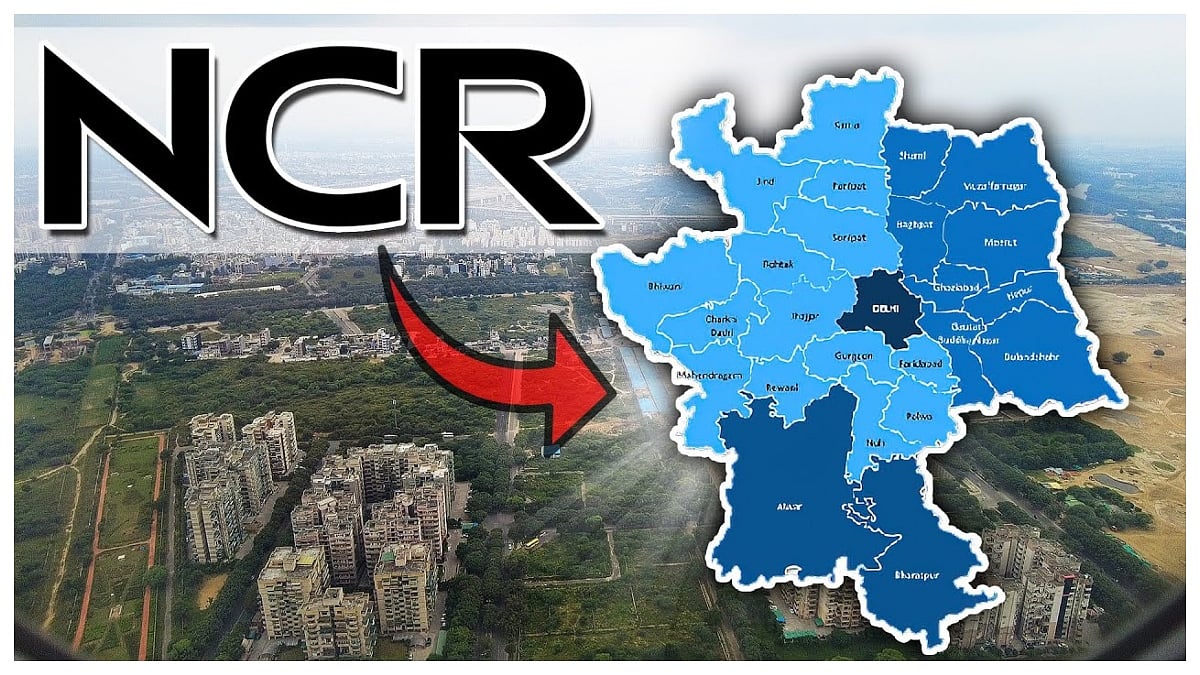
In stark contrast, Delhi-NCR has seen a sharp rise in housing prices, which has adversely affected the affordability for prospective buyers. The affordability index, which measures the proportion of income a household must allocate to cover monthly housing loan installments, has seen a marginal dip to 28% for the region in 2025, down from 27% the previous year. This trend highlights the challenges faced by buyers in the region, especially as the increase in prices has outpaced any benefits from reduced home loan interest rates.
The Knight Frank Affordability Index reveals that Ahmedabad leads as the most affordable housing market among the top eight Indian cities, with a mere 18% of income needed for EMI payments. Following closely are Pune and Kolkata, with affordability ratios of 22% each. These figures suggest that homebuyers in these cities have a significantly better chance of purchasing homes without overstretching their finances, contrasting sharply with the situation in NCR.
Interestingly, while Mumbai's housing market is improving, the NCR is the only major market to report a deterioration in affordability this year, primarily due to a surge in prices at the premium end of the market. Despite this, Knight Frank reassures that affordability levels in NCR remain within acceptable limits, suggesting that while challenges exist, the region is not yet out of reach for the average buyer.
As the real estate landscape continues to evolve, prospective homebuyers and investors are encouraged to stay informed about market trends and affordability indices, which can significantly influence their purchasing decisions. The ongoing dynamics between these two major markets—Mumbai and Delhi-NCR—serve as a reminder of the complexities within India's housing sector, where affordability remains a critical factor in homeownership aspirations.