
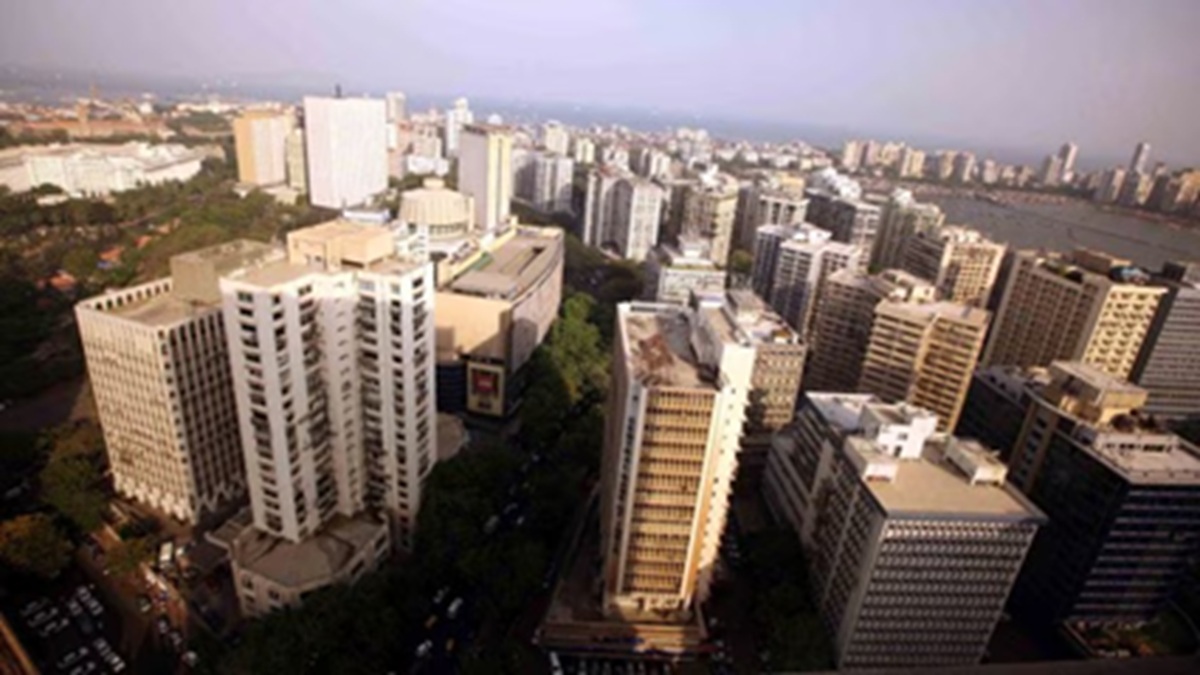
Mumbai's residential real estate market is demonstrating notable resilience, particularly in comparison to other urban centers experiencing a downturn. Recent figures from property consultancy Knight Frank India reveal that property registrations in the coastal city reached a record high, with 13,864 registrations in April and 12,315 in May—marking the highest totals for these months in the past 14 years. This surge is primarily attributed to the robust demand for residential properties, which make up approximately 80% of the total registrations, a trend facilitated by the expedient registration timeline mandated by the local Real Estate Regulatory Authority (RERA).
Several factors are propelling this upward trajectory in Mumbai's real estate sector. Industry insiders point to a combination of factors including a variety of upgrade sales, a wave of new launches, particularly in redevelopment projects, and a relatively slower rate of price appreciation compared to other major cities. Vivek Rathi, National Director of Research at Knight Frank India, emphasized that new infrastructure developments in both the city and its suburbs are providing prospective buyers with diverse options, particularly in the northern and western suburbs where activity is especially pronounced. He noted that many of these purchases are driven by homeowners upgrading to larger or more modern residences, a trend supported by the favorable alignment of income growth and property prices over the past few years.
Despite this growth, Mumbai's residential price appreciation has not kept pace with that of other cities. Rathi noted that while Mumbai's property values have risen by 7 to 10% annually, cities like Gurugram and Hyderabad have experienced significantly higher increases, with rates of 15-17% and 10-12%, respectively. Sanjay Dutt, Managing Director and CEO of Tata Realty & Infrastructure, suggested that some buyers may have opted to invest in real estate as a strategy to evade capital gains tax before the fiscal deadline, contributing to the spike in registrations during April and May. Furthermore, with fluctuations in stock market performance and lackluster returns from gold and silver investments, many buyers have redirected their focus towards real estate, notably in Navi Mumbai, which has emerged as a key player in the regional market.
The ongoing trend of redevelopment is also influencing the volume of property registrations. Prashant Thakur, Executive Director and Head of Research and Advisory at Anarock Property Consultants, pointed out that significant redevelopment initiatives are driving the need for new registrations, even when existing apartment owners receive new flats under redevelopment agreements. Data from Knight Frank indicates a marked increase in development agreements for the redevelopment of aging structures, with 229 signed in 2025, up from 196 in 2024. Pankaj Kapoor, Managing Director at Liases Foras, further underscored that the registration statistics are heavily influenced by such redevelopment projects, highlighting the evolving dynamics of Mumbai's real estate landscape as it adapts to changing market demands.