
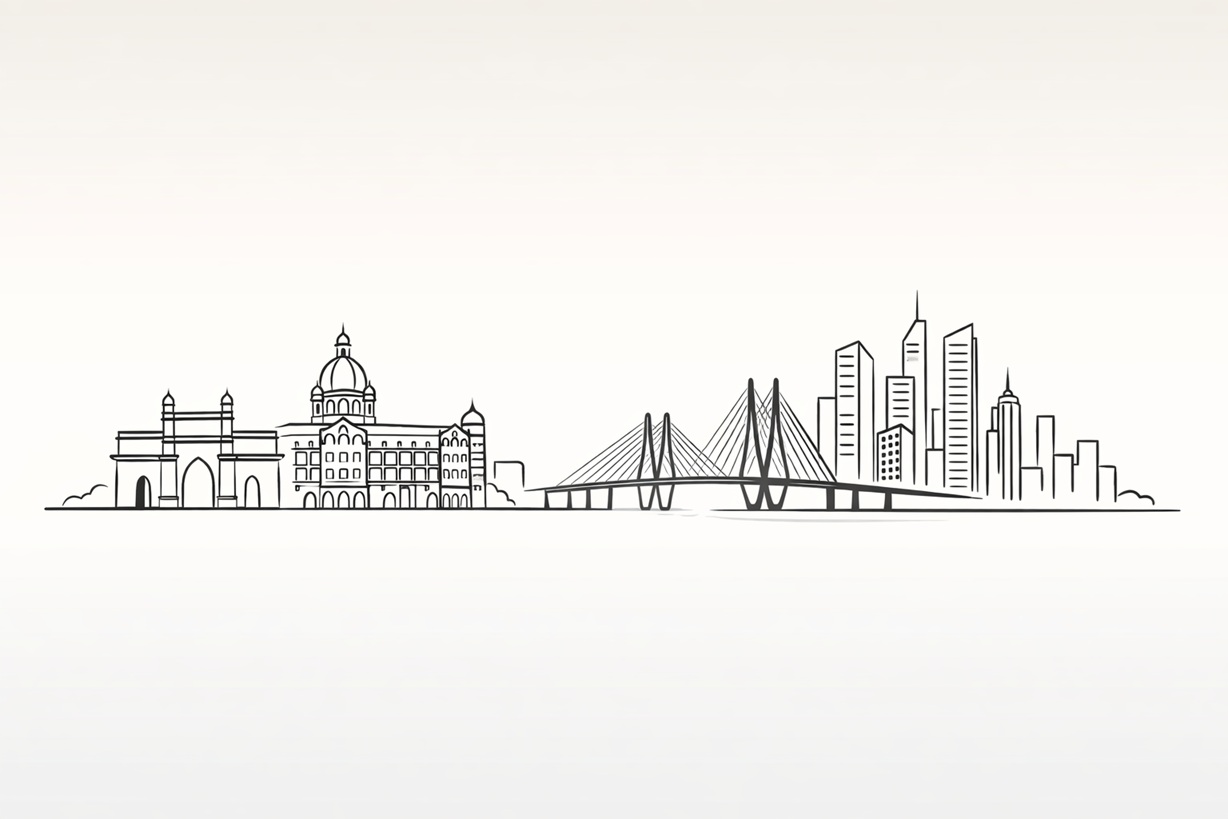
The evolution of Mumbai's real estate sector over the past five decades reflects the city's dynamic transformation from a modest, relationship-driven market to a sophisticated, high-stakes industry. This shift is characterized by significant urbanization, financial complexity, and large-scale developments that have reshaped the city's landscape. Veteran developer Vijay Wadhwa, who entered the industry at just 17 years old, provides insights into this journey, highlighting how the sector has grown from humble beginnings in the late 1960s to today’s mega townships. In those early days, there was a lack of substantial capital, and even modest profits were considered noteworthy. Today, developers manage projects that span millions of square feet, supported by institutional funding and intricate financing structures.
The 1990s marked a pivotal moment in this evolution, as economic liberalization ushered in an era of private developers and accelerated urban growth. Mumbai began to expand beyond its traditional boundaries, giving rise to numerous micro-markets, including Bandra, Khar, and Thane. This transformation has led to the fragmentation of the city into self-contained zones where residents can live, work, and socialize within close proximity. Wadhwa notes that a significant change has occurred in the perception of housing; homes are increasingly viewed as financial assets rather than mere living spaces. The focus has shifted towards valuation, quarterly sales figures, and scale, often at the expense of thoughtful planning and quality construction.
However, the rapid growth of the sector has not come without challenges. Developers face a myriad of issues, including project delays, regulatory hurdles, and funding obstacles. Wadhwa identifies approval delays, policy changes, and cash flow pressures as key factors contributing to stalled projects. The trend of launching numerous projects simultaneously can also lead to execution difficulties, further complicating the landscape. Additionally, financing models, such as subvention schemes, have raised concerns about the risks transferred to homebuyers, particularly in cases of project delays or developer defaults. As Mumbai's skyline grows denser, the quality of living has come under scrutiny, with Wadhwa emphasizing the need for developments to prioritize livability over mere aesthetics.
In today’s competitive market, many new projects focus on visual appeal, often neglecting essential aspects like natural light, ventilation, and air quality. Wadhwa argues that if a home requires artificial lighting throughout the day, it indicates improper planning. He advocates for a shift in priorities, urging developers to consider the health and well-being of residents as a core aspect of design. As Mumbai continues to evolve, the challenge for real estate professionals lies in balancing growth with quality, ensuring that the city’s residential offerings meet the needs of its inhabitants while contributing to a sustainable urban environment.