
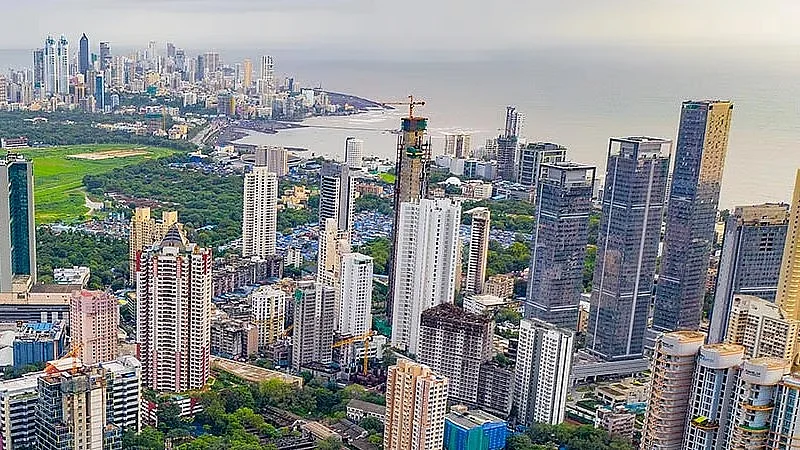
Mumbai's real estate market witnessed a remarkable surge in property registrations in February 2026, reaching a 14-year high with a total of 13,029 registrations recorded under the Brihanmumbai Municipal Corporation (BMC). This performance generated over ₹1,134 crore in stamp duty revenue for the state government, marking a significant increase from the previous year. The data reflects an 8% rise in registrations compared to February 2025, which recorded 12,066 registrations, while stamp duty collections rose by 21% from ₹935 crore, indicating a growing trend in high-value transactions. The residential property sector, in particular, accounted for nearly 80% of the total registrations, underscoring its dominance in the market during this period.
The statistics reveal a pronounced shift towards premium housing, with properties priced above ₹5 crore increasing their share to 8% in February 2026, up from 6% the previous year. Additionally, the segment of properties priced between ₹2 to ₹5 crore rose to 20%, while the ₹1 to ₹2 crore segment experienced an increase to 33%. Conversely, the sub-₹1 crore segment saw its share decline to 40% from 46% a year earlier. This shift highlights not only a growing preference for higher-value properties but also reflects changing buyer demographics and financial capabilities in the Mumbai market.
In terms of property types, compact homes continued to dominate sales volumes, with apartments measuring up to 1,000 square feet representing 81% of total registrations in February. Notably, the 500 to 1,000 square feet category emerged as the most favored segment, making up 45% of registrations. Despite the ongoing demand for smaller units, there is an evident increase in interest for larger configurations, suggesting a shift in buyer priorities towards enhanced living spaces and long-term ownership.
The suburban regions of Mumbai remain the primary contributors to market activity, with the Western and Central suburbs accounting for 87% of all registrations. These areas have benefited from improved infrastructure and connectivity, making them increasingly attractive to homebuyers. In contrast, the island city has maintained a stable but lesser share due to supply constraints and higher price points. Industry experts express optimism regarding the sustained momentum in the market. Shishir Baijal, Chairman of Knight Frank India, noted that the current demand is driven largely by end-users, particularly in the mid-to-premium segments. Furthermore, ongoing infrastructure projects are expected to enhance residential catchments, supporting continued growth. Similarly, Hitesh Thakkar from NAREDCO anticipates ongoing momentum, bolstered by numerous redevelopment projects. The February 2026 performance serves as a testament to the resilience of Mumbai's housing market, indicating a robust foundation for future growth.