
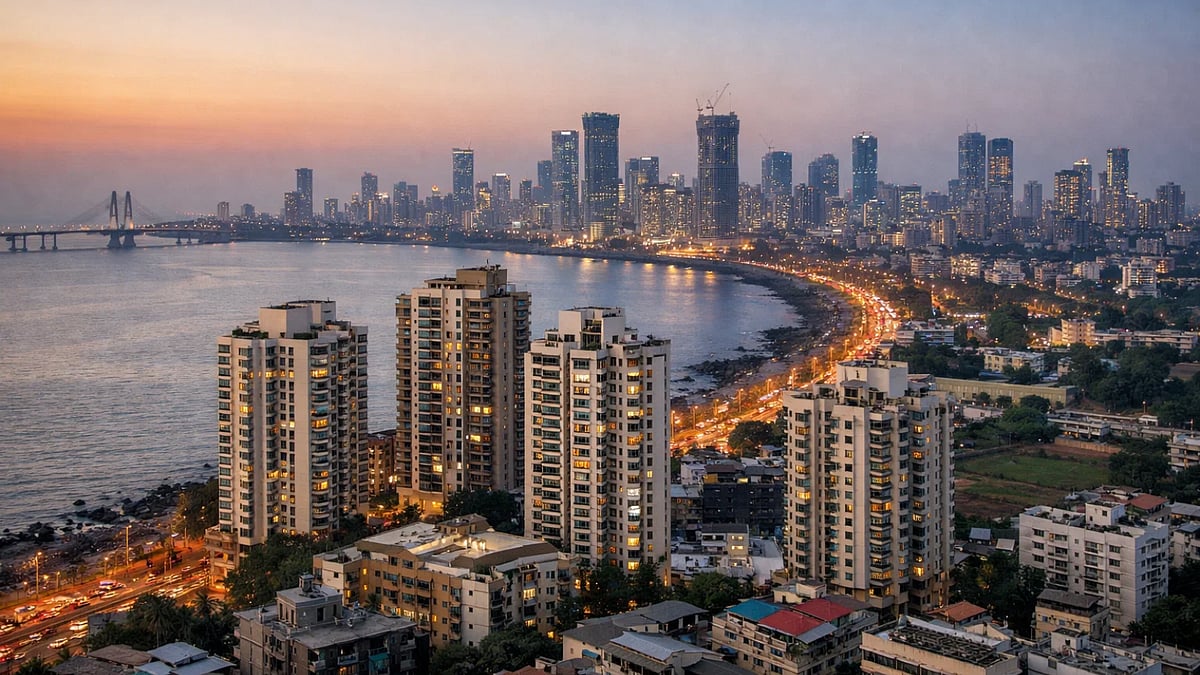
The Mumbai Metropolitan Region (MMR) and Pune are witnessing significant advancements in their real estate sectors, primarily driven by a series of transparency reforms implemented in 2026. These reforms are characterized by streamlined digital property registration systems and improved documentation processes, facilitating a more efficient market environment. The latest quarterly report by Proptiger highlights that these changes are not only enhancing the clarity of transactions but also fostering increased buyer confidence, a crucial factor for stimulating market activity in these regions.
In the MMR, a surge in residential sales and new property launches has been observed, positioning it as the leading market in the country. The integration of digital tools in real estate transactions has simplified the buying process, allowing potential homeowners to navigate the complexities of property acquisition more easily. This has led to a notable uptick in sales figures, reflecting a robust demand for residential properties. The region's ability to adapt to these reforms is indicative of a broader trend towards modernization within the real estate sector, ultimately benefiting both developers and consumers.
Pune, on the other hand, has recorded the strongest quarterly price growth among major Indian cities. The city's real estate market is also reaping the rewards of the transparency initiatives, which have instilled a sense of trust among buyers. As a result, many are now more willing to invest in residential properties, contributing to the overall growth of the market. Enhanced transparency ensures that buyers are well-informed about property values and legalities, reducing the likelihood of disputes and uncertainties that often plague real estate transactions.
These developments in the MMR and Pune demonstrate how transparency reforms can positively influence the real estate landscape. By improving buyer confidence and facilitating smoother transactions, these initiatives are setting the stage for sustained growth in both regions. As the real estate sector continues to evolve, the ongoing adoption of digital reforms is likely to play a pivotal role in shaping the future of property markets in India, ensuring that they remain competitive and attractive for both domestic and international investors.