
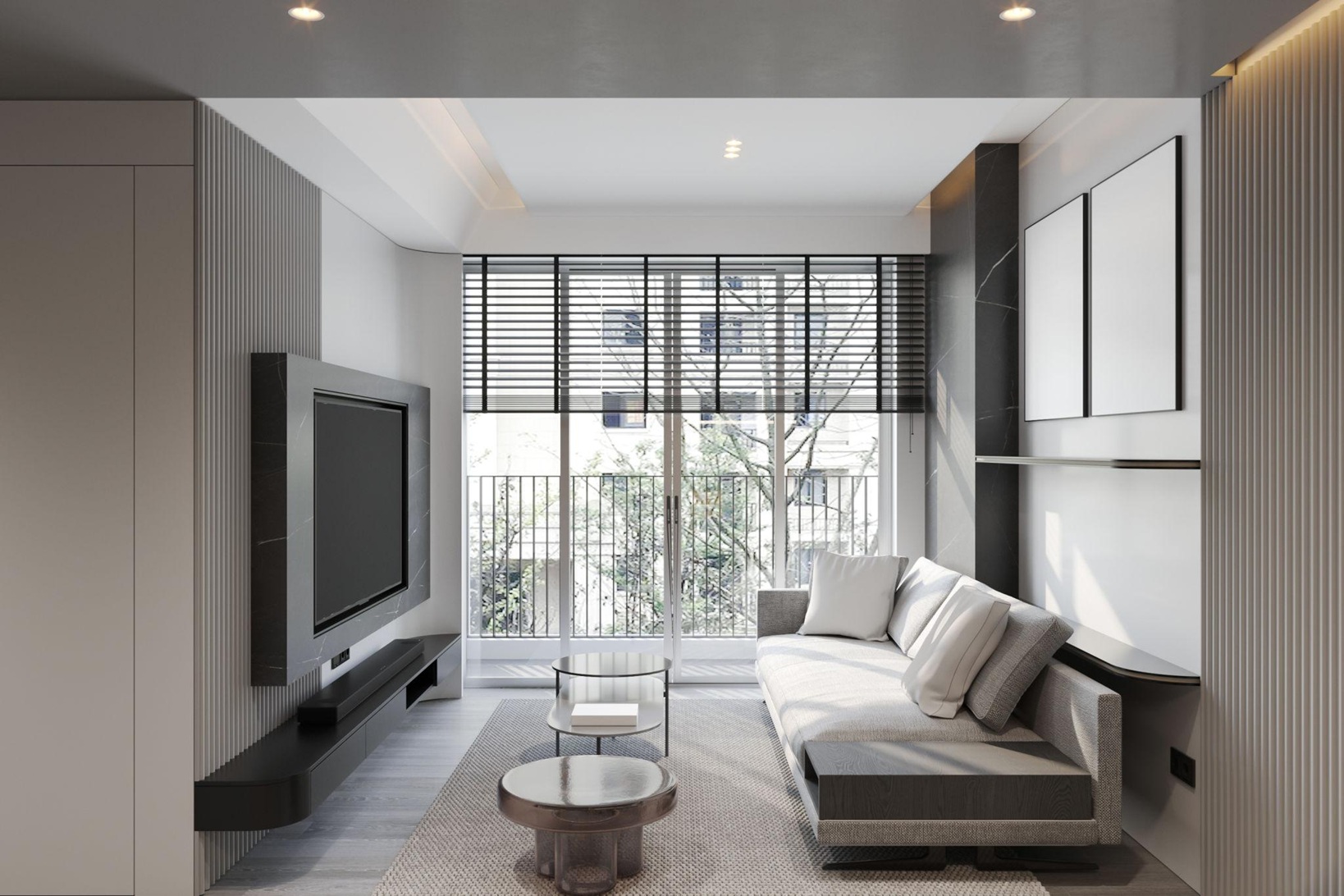
The Indian real estate market is currently experiencing a transformative shift towards minimalism, a trend that prioritizes functional design and sustainability over opulence. This change has been articulated by industry experts, including Shravan Gupta of MGF Group, who posits that minimalism is not merely a temporary fad but a substantial evolution likely to influence the industry's trajectory for years to come. As the market adapts to changing consumer preferences, a new paradigm is emerging that emphasizes the quality and efficiency of living spaces.
Historically, luxury in Indian real estate was often characterized by grandiose designs and ostentatious displays of wealth. Large, ornate homes with extravagant features were seen as symbols of status and success. However, contemporary homebuyers are shifting their focus towards simplicity and purpose. This cultural transition reflects a broader societal movement; modern consumers increasingly value meaningful experiences and practicality over mere appearances. As tastes evolve, the demand for homes that prioritize efficient layouts and sustainable materials is on the rise, indicating a significant shift in buyer priorities.
One of the key aspects of this minimalist approach is its focus on enhancing the quality of life for residents. Gupta emphasizes that minimalism transcends mere aesthetics; it is about creating environments that foster well-being. Urban homebuyers, particularly young families, are gravitating towards properties that offer open spaces, abundant natural light, and seamless connections between living areas. This reflects a growing preference for homes that not only accommodate but also enrich the lives of their inhabitants. As a result, the design conversation is shifting from showcasing wealth to enhancing functionality, aligning more closely with the needs of residents.
Moreover, the increasingly compact nature of urban living space necessitates innovative design solutions that maximize efficiency without compromising comfort. Smaller, thoughtfully designed homes are becoming more desirable, as they meet the challenges posed by limited urban space while providing the flexibility that modern lifestyles demand. Alongside this, a heightened awareness of sustainability and cost-efficiency is influencing buyer choices. Today's consumers are informed and strategic, considering not only the initial purchase price but also ongoing costs such as maintenance and energy consumption. The rise of minimalism in real estate is thus a reflection of a more conscious approach to living, one that values sustainability and practicality while redefining the very essence of luxury.