
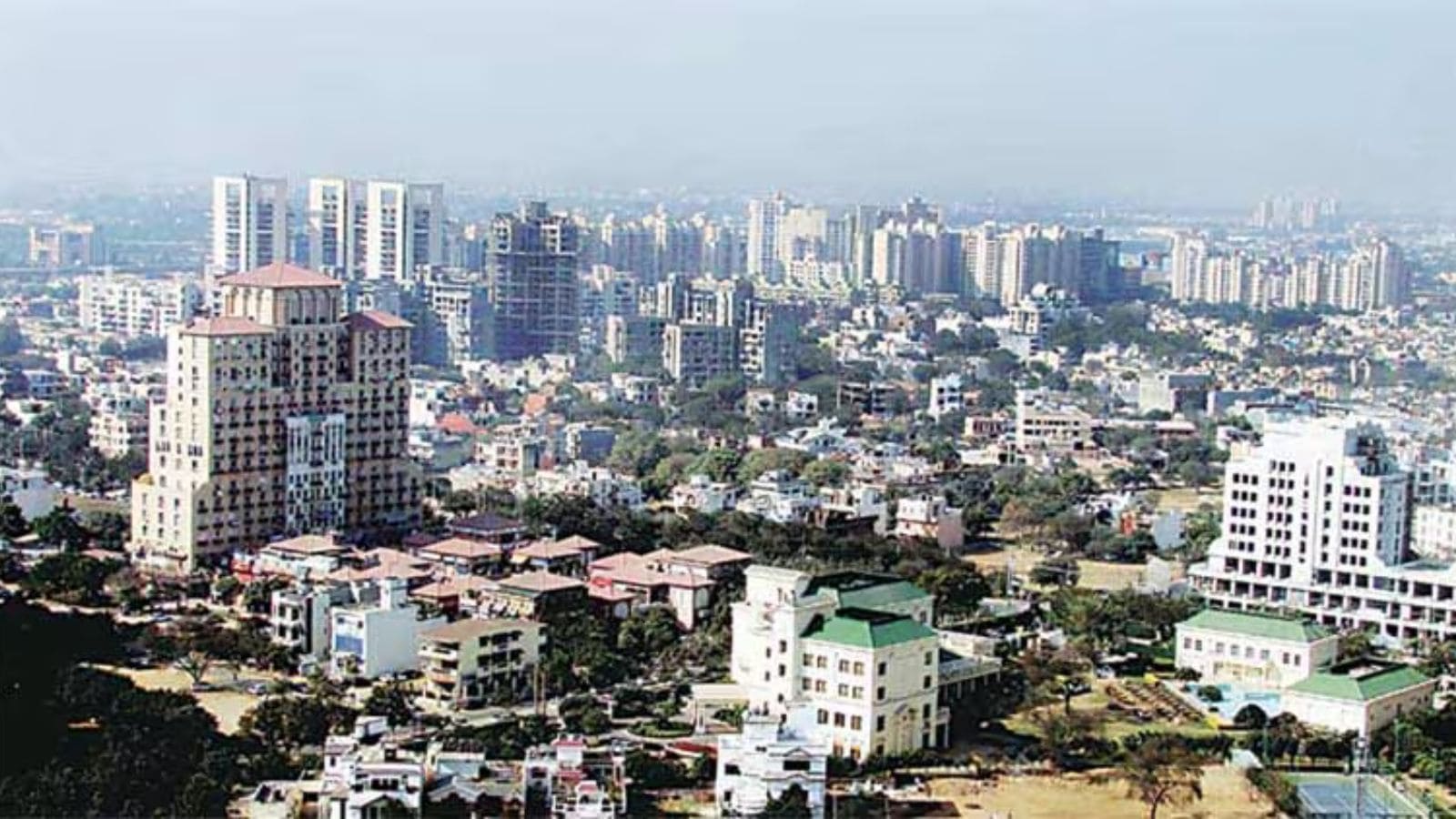
In recent years, the National Capital Region (NCR), particularly around Gurgaon, has been characterized by a predominance of corporate offices, IT parks, and commercial districts. However, a notable shift is beginning to emerge in the region, driven by sustained industrial growth and an influx of global capital. Areas such as Jhajjar and Manesar are now witnessing a transformation in housing demand, as the market pivots from a corporate-centric approach to one increasingly influenced by manufacturing needs. This change is not just a fleeting trend; it signifies a structural adjustment in how residents are choosing to live and work in proximity to their places of employment.
Haryana's appeal as a manufacturing hub is underscored by its hosting of nearly 400 Japanese companies, making it a significant industrial base in India. This presence is particularly notable in sectors like automotive, engineering, and electronics. A recent announcement of a proposed Rs 1,000 crore investment by Daikin Industries in Manesar illustrates the ongoing commitment of international companies to invest in this region. The influx of capital is also attracting a wave of international professionals and technical experts, thereby creating a burgeoning demand for housing that prioritizes proximity to industrial sites rather than urban skylines. This shift in demand is prompting developers to rethink their strategies and offerings in light of evolving workforce needs.
Reliance MET City in Jhajjar exemplifies this shift, as it spans 8,000 acres and houses over 650 companies from 11 countries, employing more than 40,000 individuals. To accommodate the growing localized workforce, Reliance MET City is expanding its residential offerings with the development of a new 140-acre township. According to Shrivallabh Goyal, CEO of Reliance MET City, the demographic changes are significant. He notes that the nature of employment is changing, with manufacturing not merely generating jobs but fundamentally influencing where individuals choose to reside. The emergence of a new class of professionals—senior engineers and plant managers—who prioritize minimal commuting is reshaping housing preferences. These individuals are increasingly seeking walk-to-work neighborhoods within industrial belts, favoring convenience over city views.
The local real estate market is responding to this evolving demand. Manesar, long recognized as a manufacturing hub with key facilities for major firms such as Maruti Suzuki and Honda Motorcycle, is experiencing notable real estate appreciation. Data from the portal 99acres indicates that flat prices in IMT Manesar have surged by 102.7% in the past three years, with a striking 94.8% increase over the last five years. This growth reflects a broader trend within the NCR, where residential offerings are being recalibrated to meet the needs of a workforce that values proximity and accessibility to their work environments. As manufacturing continues to drive economic activity in the region, the real estate landscape is poised for further transformation, fundamentally altering the residential map around Gurgaon and its fringes.