
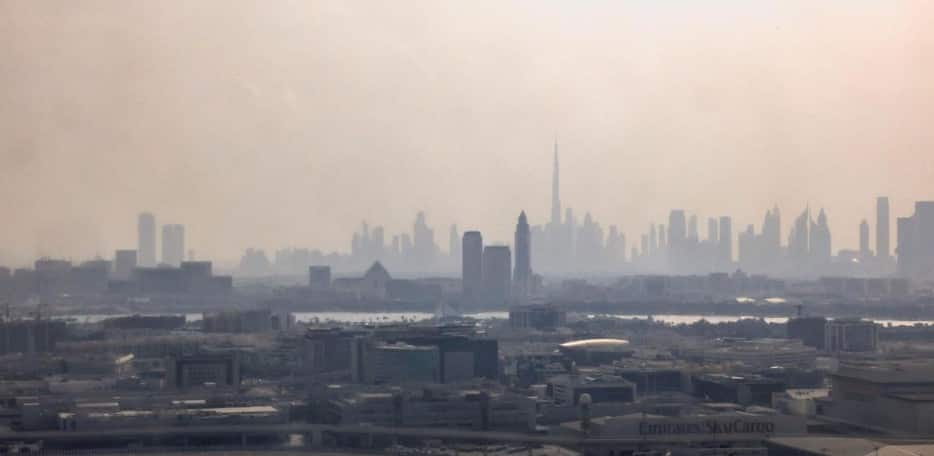
The ongoing conflict involving American and Israeli military actions in the Gulf region, particularly related to Iran, has not deterred investors from seeking luxury real estate in Dubai. According to data from the Dubai Land Department, the period from February 28 to March 12 witnessed over 4,800 real estate transactions totaling nearly AED 16 billion (approximately US$4.3 billion). Notably, the majority of these transactions, around 3,900, involved apartments, while the remainder included villas, plots, and commercial properties. This robust activity underscores the resilience of Dubai's property market, even in the face of geopolitical tensions.
The Dubai Land Department serves as the emirate's regulatory authority for real estate transactions, overseeing the registration of sales, leases, and intermediary licenses. The department provides comprehensive data on sales across major projects and monitors price fluctuations in real time. The transaction statistics reveal that major developers, including government-backed entities like Emaar Properties and Nakheel Properties, are actively engaged in the market, alongside private firms such as Damac and Danube. Flagship developments like the Dubai Islands and Jumeirah Village Circle continue to attract buyers, demonstrating sustained interest in the emirate's real estate offerings.
Despite the turmoil, major developers have persisted with project launches, with minimal discounts available. They have strategically focused on attracting international buyers, particularly from India, the UK, Russia, and Pakistan, by offering flexible payment plans. Dubai's unique property laws allow non-UAE nationals to fully own properties within designated 'freehold' zones, and remote purchasing options are available, enabling buyers to finalize transactions through notarized power of attorney. This has led to approximately 90 percent of property transactions being conducted by non-citizens.
However, the initial phase of conflict did see a temporary decline in buyer sentiment, particularly near iconic landmarks such as Burj Al Arab and Burj Khalifa, which experienced increased attention due to drone and missile threats. Additionally, the shutdown of Dubai's airports during missile attacks contributed to a shift in buyer confidence. Nevertheless, the market has shown signs of recovery, with a significant portion of recent transactions involving 'off-plan' properties, which are still under development but have begun sales. This trend highlights the ongoing appeal of Dubai's real estate market, affirming its status as a prime investment destination regardless of external geopolitical challenges.