
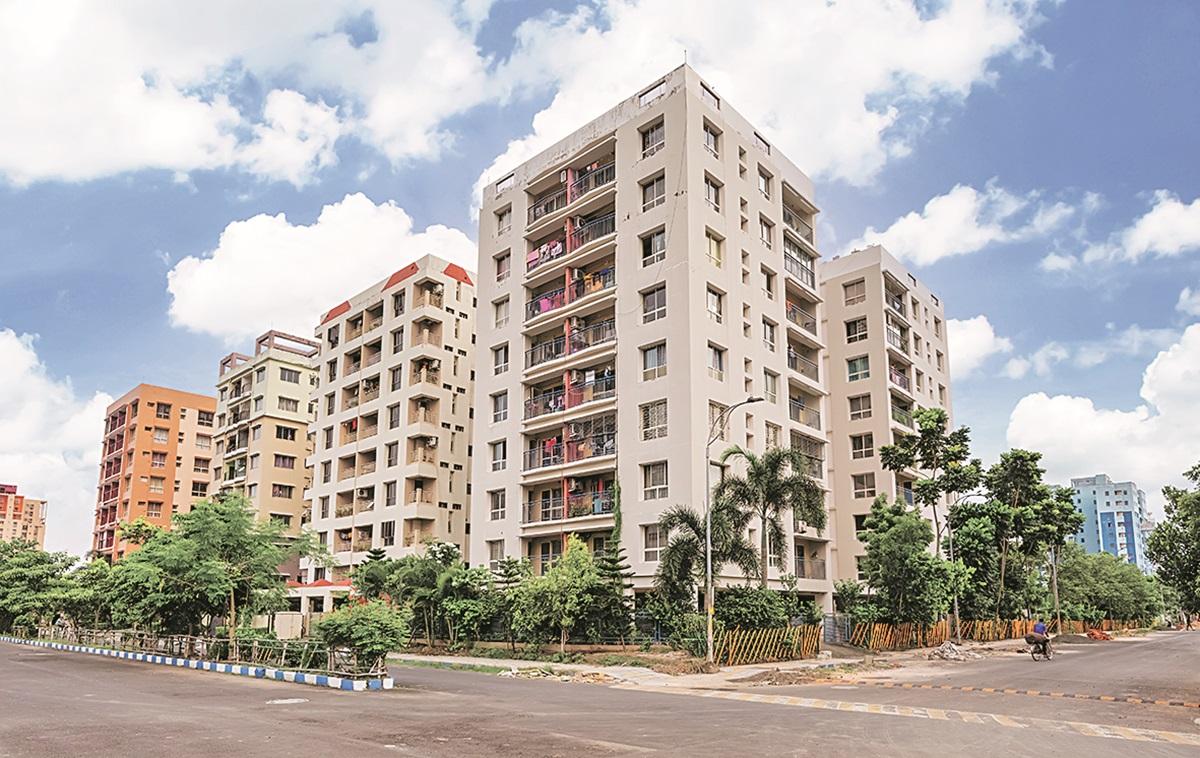
Mumbai, a bustling metropolis and the financial hub of India, is witnessing a dramatic shift in its housing market dynamics. As per the recent Residential Market Report by Liases Foras for Q2 FY26, the total sales value in India surged to an impressive ₹8.3 lakh crore, reflecting a 15% year-on-year increase. This remarkable growth is largely driven by the luxury and ultra-luxury segments, which have shown unprecedented momentum. However, despite this increase in sales value, the unit sales volumes have remained stagnant at 0% growth year-on-year, raising concerns about the long-term sustainability of this boom.
The report highlights a significant discrepancy between the launches of new projects and the actual pace of construction. In 2017, a remarkable 75% of the marketable supply was completed, but this figure is projected to drop to 57% by 2025. The construction activity has reportedly slowed down to an eight-year low, which could lead to delivery delays and execution risks. With unsold inventory standing at 10,11,681 units, down 7% year-on-year, the market's balance may be at risk, questioning the viability of current trends.
The luxury housing sector has emerged as the primary driver of this valuation growth. Homes priced between ₹2-5 crore have seen a 25% increase in sales, while properties over ₹10 crore have skyrocketed by 40%, making them the fastest-growing segment. Conversely, the affordable housing categories have not fared as well. Homes priced between ₹30-40 lakh have experienced a 13% decline, indicating a shrinkage in the affordable segment amidst the rising demand for luxury properties. This bifurcation in the market raises concerns about accessibility for a broader demographic, as the gap between luxury and affordable housing continues to widen.
In conclusion, while the Indian housing market showcases impressive sales figures, the lack of volume growth and declining construction pace pose serious questions regarding its future stability. As stakeholders navigate this landscape, it becomes imperative to address the discrepancies between market demand and actual project execution to ensure a balanced recovery and sustained growth in the sector.