
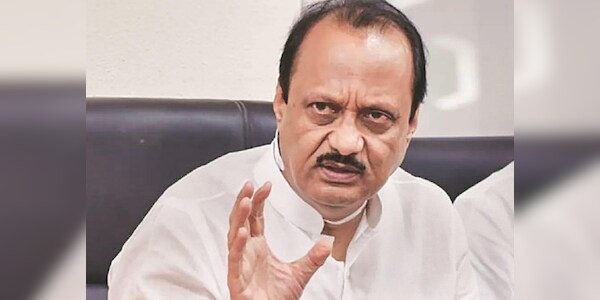
In the bustling city of Mumbai, recent developments in Maharashtra's liquor licensing policies have taken a significant turn. The state's Deputy Chief Minister, Ajit Pawar, has announced that mandatory consent from registered housing societies will now be required for any liquor shops, including those selling Indian Made Foreign Liquor (IMFL) and country liquor, to commence their operations. This directive aims to enhance community involvement in decisions that affect local living environments, ensuring that residents have a say in the establishment of such commercial entities within their premises.
The policy was articulated during a session of the state legislature in response to concerns raised by BJP MLA Shankar Jagtap regarding the operation of liquor shops in residential areas, particularly in the Chinchwad-Kalewadi region of Pune. Pawar emphasized the necessity of obtaining permission from local housing societies, stating that this regulation must be uniformly enforced across Maharashtra. This move is expected to address the issues that arise when liquor shops operate in close proximity to residential buildings, potentially impacting the quality of life for residents.
The Deputy Chief Minister's remarks come in light of specific complaints against a liquor shop in Sahyadri Society, which allegedly began operations before securing the requisite permissions. Jagtap highlighted the irregularities in the licensing process, noting that the building was incomplete at the time of permission. In his response, Pawar reiterated the importance of adhering to the new requirement for housing society consent, which aims to prevent similar violations in the future and to hold accountable those who issue licenses without proper validation.
This new policy is a continuation of efforts initiated earlier in the year, where Pawar had announced during the Budget session that a No Objection Certificate (NOC) from housing societies would be mandatory for liquor shops wishing to operate on their premises. The introduction of this requirement reflects a growing trend in urban governance, where community considerations are prioritized in the face of commercial activities that may disrupt residential harmony.
As Maharashtra implements these regulations, it remains crucial for housing societies and local communities to engage in dialogue regarding the presence of liquor shops in their neighborhoods. This policy is not just about compliance but about fostering an environment where residents feel empowered to influence decisions that affect their daily lives. The initiative could serve as a model for other states grappling with similar issues, ensuring that the voices of the community are heard and respected in the matter of liquor shop establishments.