
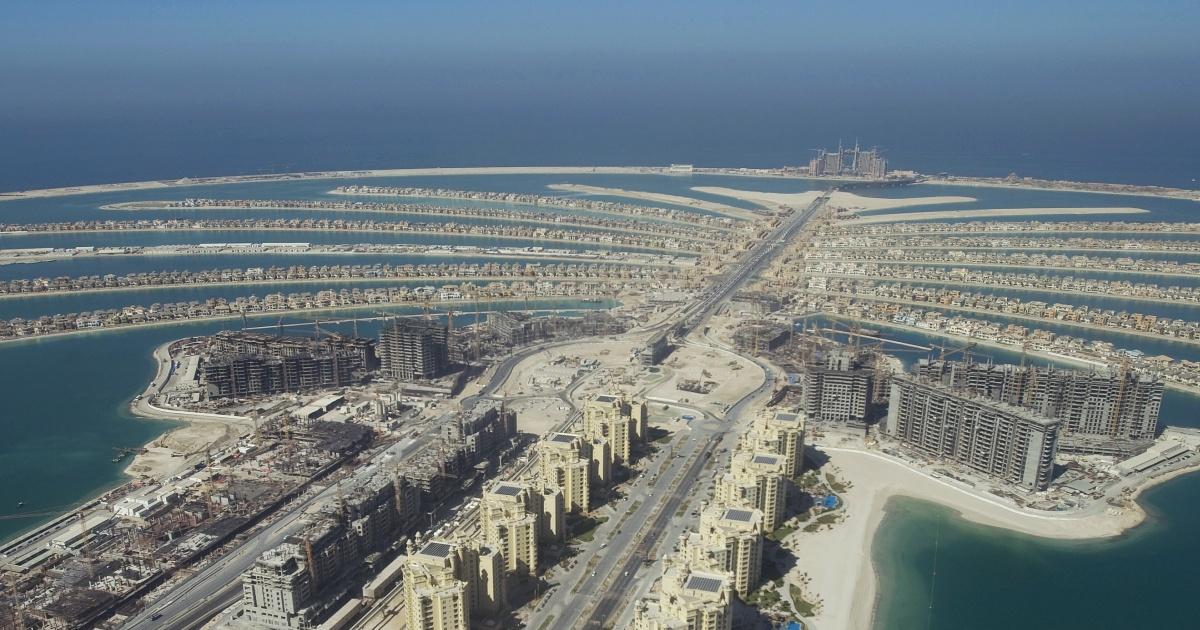
In the face of ongoing geopolitical tensions in West Asia, Indian high-net-worth individuals (HNIs) are demonstrating remarkable resilience by maintaining their investments in Dubai's luxury real estate market. Despite a noticeable slowdown in deal activity, these affluent buyers are not liquidating their high-value assets, which include sought-after properties in prestigious locations such as Palm Jumeirah and Emirates Hills. Industry experts assert that any observed discounted sales are primarily a reflection of individual liquidity challenges rather than a mass exodus from the region. Ritu Kant Ojha, CEO of Proact Luxury Real Estate, emphasizes that there is little evidence to suggest that Indian investors are retreating from Dubai's real estate landscape. Instead, they continue to hold onto their core assets, reinforcing their commitment to this lucrative market.
Indian investors have consistently ranked as the largest foreign buyer demographic in Dubai, accounting for approximately 22% of property purchases in the first nine months of 2025. This trend is indicative of a broader investment strategy among ultra-wealthy Indians, who are increasingly looking to diversify their portfolios through overseas real estate acquisitions. The latest data from Veer & Sant Real Estate reveals that foreign investors from over 150 countries have made significant contributions to Dubai’s housing market, with international buyers representing more than 40% of total residential ownership. This solidifies Dubai's status as a global investment hub, particularly for affluent Indian nationals seeking safe havens for their wealth.
The luxury real estate market in Dubai has seen remarkable price appreciation, with values increasing by 60-75% since 2021. Such growth underscores the investor-driven nature of the market, where buyers frequently leverage their investments through flexible developer payment plans. However, when substantial payment milestones are reached, some investors may find themselves in liquidity constraints, prompting quick asset liquidations. This phenomenon is often misinterpreted as a distress sale linked to geopolitical factors, but Ojha clarifies that these situations are generally unrelated to regional instability. Instead, they highlight the complexities of individual investment strategies within a dynamic market.
Looking ahead, market sentiment appears cautious but stable. Anuj Puri, chairperson of Anarock Group, notes that while the luxury real estate sector is experiencing a temporary sentiment shift, the underlying fundamentals remain strong. The commitment of Indian HNIs to Dubai's luxury market, coupled with the continued influx of foreign investments, suggests resilience in the face of external challenges. As geopolitical tensions evolve, the outlook for Dubai’s real estate market will depend on both global economic conditions and the sustained interest of high-net-worth individuals who view the emirate as a key destination for luxury living and investment opportunities.