
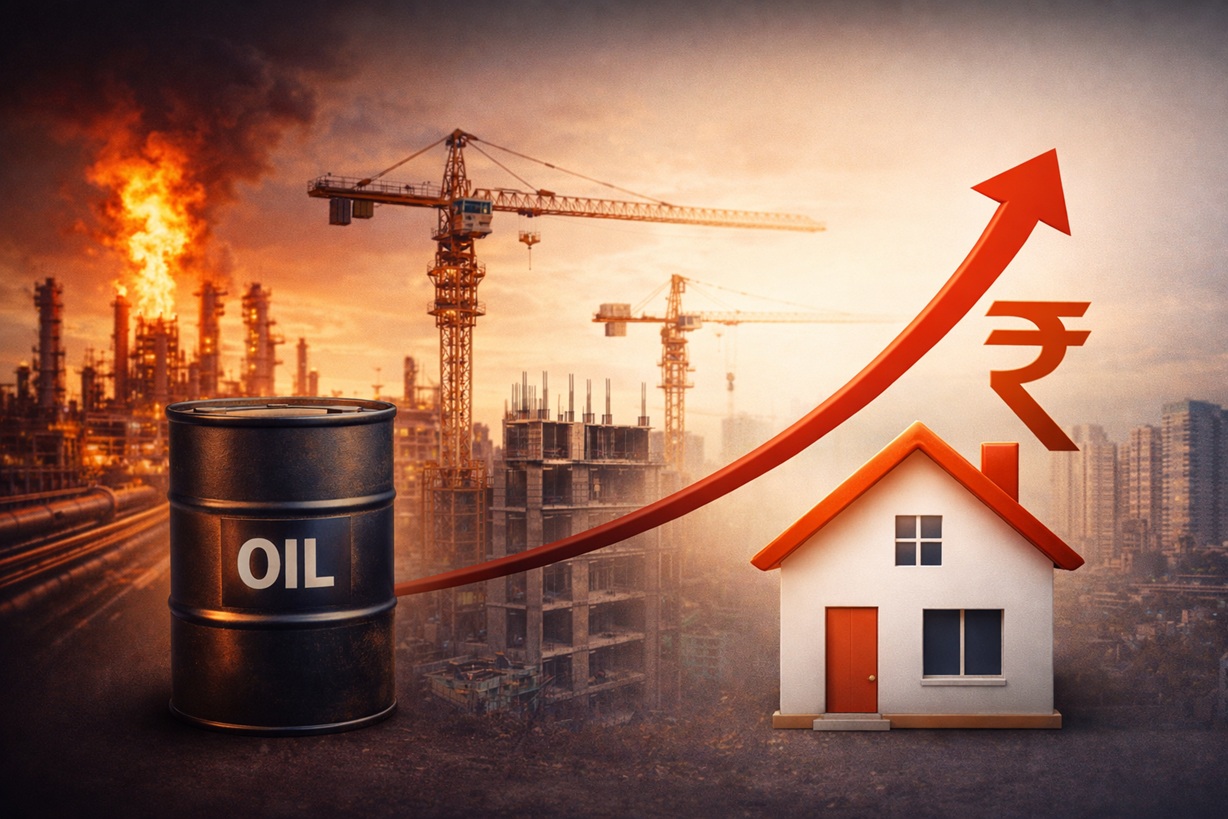
The recent surge in global crude oil and natural gas prices, exacerbated by geopolitical tensions, is beginning to significantly impact India's real estate sector. This increase in energy costs is leading to higher construction expenses and disrupting the supply chains of essential building materials. While analysts indicate that the current effects are manageable, they caution that sustained volatility could result in project delays, diminished developer profit margins, and an eventual rise in property prices.
India's reliance on imported fuels makes its construction and manufacturing industries particularly susceptible to fluctuations in energy pricing. The rising costs of key materials such as steel, cement, and aggregates are already being observed on various construction sites. Additionally, shortages in liquefied petroleum gas (LPG) and natural gas are hampering the production of polyvinyl chloride (PVC), which is crucial for plumbing, insulation, and finishing work. The electrical materials sector is also experiencing considerable strain, with smaller suppliers struggling to absorb rising costs, potentially leading to increased prices for essential components like wires and cables.
The logistics of construction are further complicated by the energy price hikes. E. Ashok Kumar, President of CREDAI Visakhapatnam, emphasizes that the repercussions of rising crude and gas prices have a cascading effect on material production and logistics. He notes that investors are taking a more cautious approach, with the potential for significant project delays if these disruptions persist. Currently, developers are relying on existing inventory to navigate short-term financial challenges, but the outlook for the electrical materials segment remains bleak, with price hikes of up to 25% anticipated for various products.
The implications for affordable housing are particularly concerning. Analysts warn that continued fuel and gas shortages could exert long-term cost pressures on the sector, discouraging new investments. This scenario is expected to have a disproportionate impact on the affordable housing market, where profit margins are already minimal. Mr. Kumar further states that prolonged energy challenges could hinder new project launches and inevitably drive up property prices. Although the immediate impacts may be indirect, the ongoing volatility in the energy market suggests a challenging future for the industry, with the possibility of gradually escalating costs for homeownership.