
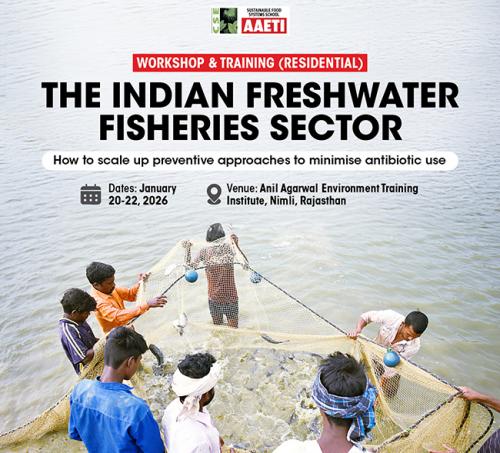
In the bustling city of Delhi, where the confluence of tradition and modernity shapes the environment, the urgency for sustainable practices in the freshwater fisheries sector has never been more pressing. The reliance on antibiotics to combat diseases in fish farming is a well-known challenge that contributes to antimicrobial resistance (AMR). This silent crisis threatens health, food security, and the achievement of global sustainable development goals. It is essential that stakeholders recognize that the overuse and misuse of critical antibiotics can have serious consequences for human health and the environment. Addressing this issue requires a thorough understanding of preventive strategies that go beyond mere reliance on medications.
To tackle these pressing challenges, the Centre for Science and Environment (CSE) is spearheading a comprehensive three-day workshop and training program aimed at equipping stakeholders with the necessary knowledge and skills. This initiative focuses on minimizing the need for antibiotics in freshwater fish farming through a variety of innovative approaches. Participants will engage in lectures, interactive group work, and case study presentations, all led by esteemed experts from premier institutions across the country. The workshop emphasizes effective management practices, vaccination strategies, and enhanced biosecurity measures, alongside the integration of cutting-edge technologies to foster healthier aquaculture environments.
The training program invites nominated representatives from fisheries departments across five to six states, along with officials from Krishi Vigyan Kendras (KVKs) in fish-producing regions of northern and eastern India. This selective participation underscores the commitment to cultivating a knowledgeable network dedicated to sustainable fisheries. Furthermore, the inclusion of experts from both the scientific community and the sustainable fisheries production sector enriches the learning experience, ensuring that participants gain insights that are both practical and innovative.
While participants will be responsible for their travel to Delhi, the CSE will facilitate the remaining logistical arrangements, including transportation to Nimli, accommodations at the AAETI, and coverage of all training costs. This initiative, partially supported by the CSE, represents a vital step forward in promoting sustainable practices in the Indian freshwater fisheries sector. By fostering collaboration and knowledge sharing among stakeholders, the program aims to build a resilient ecosystem that prioritizes health, sustainability, and responsible farming practices.
Ultimately, this workshop serves as a crucial platform for dialogue and action, guiding the freshwater fisheries sector towards a more sustainable future. As India navigates the complexities of fisheries management and public health, initiatives like these are essential for paving the way for a more secure and sustainable food system.