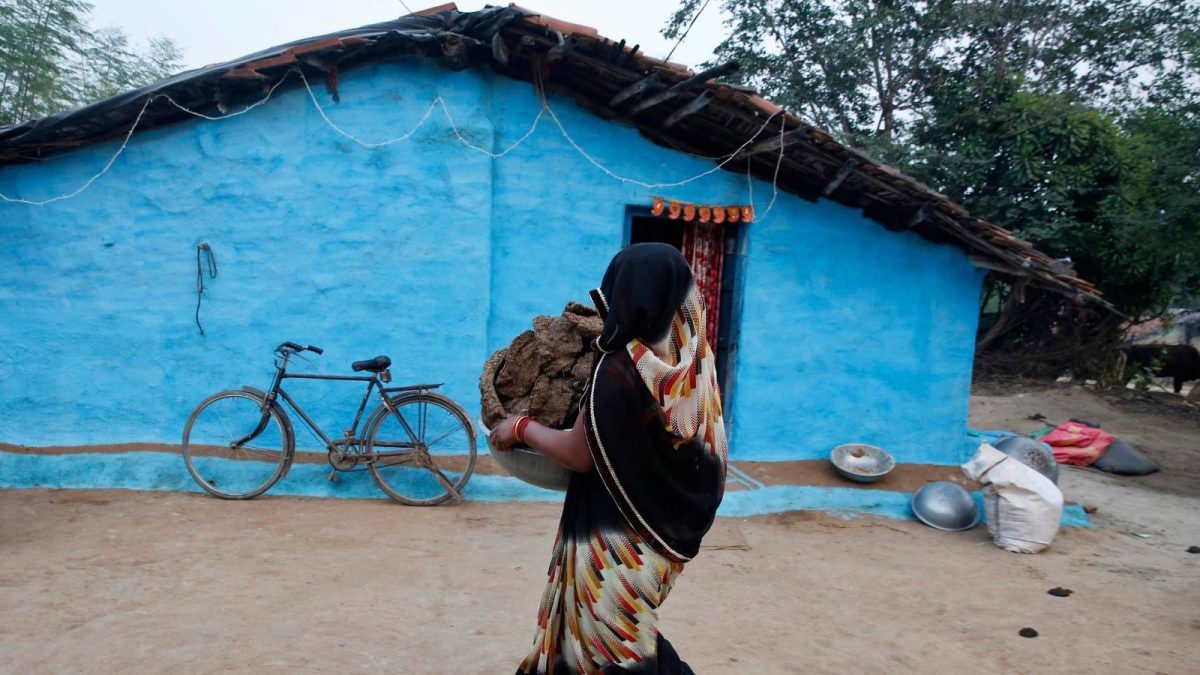
In bustling Mumbai, the stark contrast between urban affluence and rural poverty is palpable. Yet, amidst this disparity, initiatives like the Pradhan Mantri Awas Yojana-Gramin (PMAY-G) are instrumental in bridging the gap. Launched in 2016, PMAY-G is not merely a shelter-centric welfare initiative; it stands as a transformative force in rural development, fostering economic resilience and formalizing undocumented assets. By constructing new homes, the scheme integrates millions of households into India's broader economic framework, thus enhancing local economies.
The scale and commitment of the PMAY-G are evident in its impressive statistics. As of August 2025, a staggering 4.12 crore dwellings had been allocated, with 3.84 crore sanctioned and 2.81 crore completed. This remarkable conversion rate showcases the program's effectiveness across diverse geographies, spanning 28 states and 8 Union Territories. The Union Cabinet's recent decision to approve an additional two crore houses between FY 2024 and FY 2029 signifies a proactive approach to meet the evolving needs of the population, especially with demographic shifts and new family formations.
A significant aspect of PMAY-G is its focus on land tenure, which has historically been a major hurdle for rural families. The program has now sanctioned houses for 2,68,480 landless beneficiaries, highlighting an essential move towards securing both shelter and land rights. This dual focus not only provides immediate housing solutions but also strengthens long-term social and economic stability for rural households, creating a foundation for wealth accumulation and security.
Moreover, PMAY-G's integration with technology, such as the Awaas+ 2024 mobile app for beneficiary identification, reflects a commitment to transparency and efficiency. The use of eKYC face-based verification ensures that the benefits reach the intended recipients, thus minimizing fraud and maximizing impact. Such innovations are pivotal in modernizing rural housing schemes, making them more accessible and effective in combating poverty.
In conclusion, PM Modi's Gramin Awas initiative is more than just a housing program; it is a cornerstone for rural development that contributes to the economic empowerment of millions. As the program continues to evolve, it promises to transform rural landscapes, ensuring that every Indian has access to a dignified home, thereby complementing the nation's growth story.