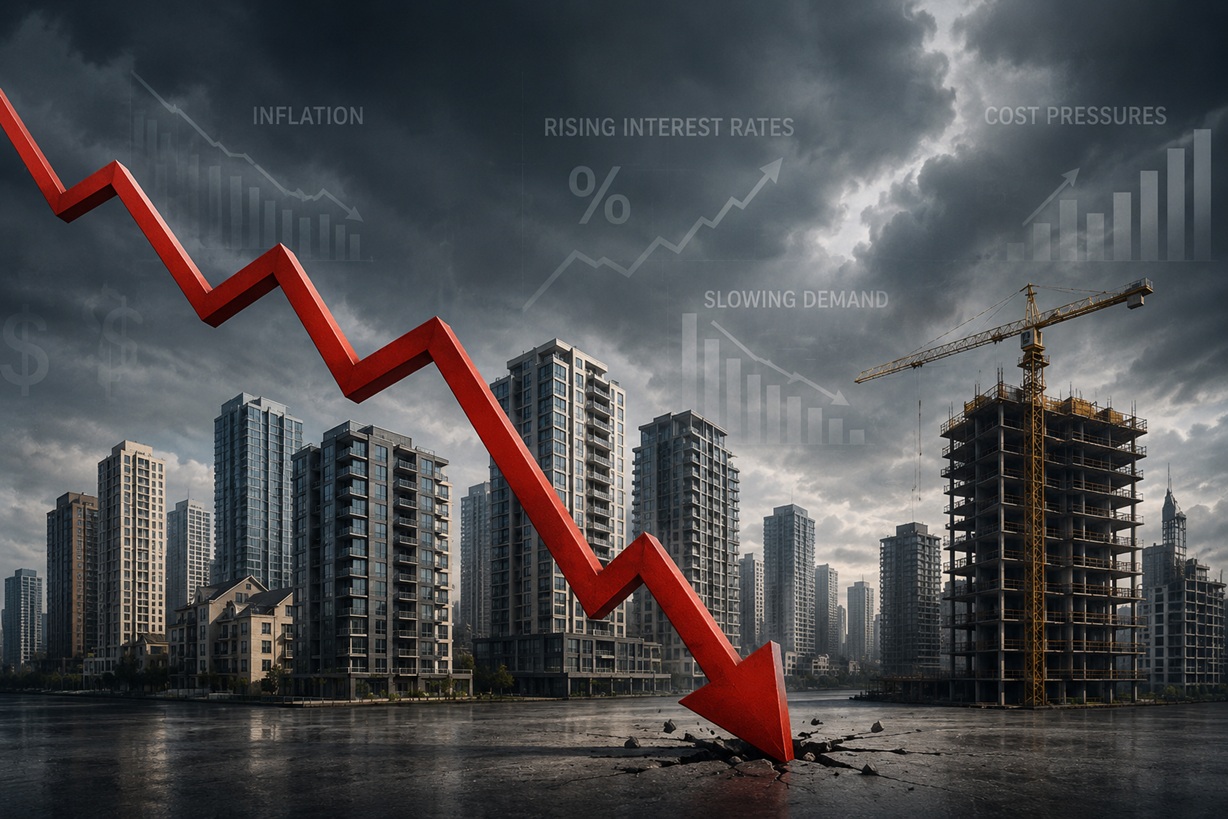
Pune, May 24 (UNI) - Tushar Kevate, a prominent real estate developer, has voiced concerns regarding the increasing uncertainty within the construction industry. He warns that the dual pressures of rising inflation and escalating costs could pose serious challenges for the sector in the coming years. According to Kevate, the ongoing Gulf conflict has exacerbated these issues, extending its impact beyond fuel price increases to affect various industries, including construction. The ripple effects of these geopolitical tensions are evident, as shortages and rising gas prices have led to heightened costs for construction materials and supply chain disruptions.
Kevate elaborated on the rising expenses associated with key construction materials such as steel and cement, which have been on a continuous upward trajectory. Additionally, labor costs have surged significantly, compounding the financial pressures faced by developers. Despite these escalating costs, Kevate noted that developers are often unable to transfer the entirety of these price hikes to consumers, resulting in shrinking profit margins within the construction sector. This financial strain is particularly acute in affordable housing projects, which offer limited profit margins and are thus more susceptible to market fluctuations. Consequently, many developers are increasingly pivoting toward premium and luxury residential projects, where profit potential remains more robust.
As the real estate landscape evolves, Kevate highlighted the shifting preferences of younger homebuyers, who are redefining market demands. Unlike previous generations that prioritized savings and smaller living spaces, today’s younger demographics are inclined toward larger, more luxurious accommodations, reflecting their higher incomes and changing aspirations. This generational shift in housing preferences further underscores the complexities facing developers, as the costs of raw materials and labor remain consistent across different project types. The challenge lies in balancing these costs while catering to the evolving desires of the market.
Looking ahead, Kevate cautioned that the prevailing economic uncertainty across multiple sectors could significantly impact the real estate industry. Cities like Pune have historically benefited from rapid economic growth, largely driven by the expansion of the IT sector. However, the rise of artificial intelligence poses a potential threat to job security within this industry, raising concerns about future employment stability. With many young professionals facing job losses, the resulting economic instability could have a cascading effect on the real estate market. Developers, navigating these turbulent waters, are currently under considerable pressure as they assess the future landscape of the industry, grappling with both economic challenges and the evolving preferences of consumers.