
The ongoing conflict involving the United States, Israel, and Iran is causing apprehension in Dubai's real estate market, with industry professionals anticipating a decline in property sales. Brokers and developers have expressed concerns that the recent surge in real estate transactions may stall as potential buyers reassess their investment strategies in light of escalating regional tensions. Historically, Dubai has been viewed as a safe haven for wealth, attracting investors from various countries looking for stability during conflicts. However, the missile strikes targeting US military bases in Gulf Cooperation Council (GCC) countries have raised doubts about the emirate's security, prompting many investors to adopt a cautious approach.
The uncertainty surrounding the conflict has led to speculation that potential buyers may choose to remain on the sidelines until there is a clearer understanding of the situation. While some brokers believe transaction volumes may decrease, they do not foresee significant price drops in the short term. Recent statistics indicate that Dubai's real estate market experienced a record sales value of approximately $187 billion in 2025, driven largely by luxury property sales and increasing interest from foreign buyers, particularly from India and other key markets. This robust performance may cushion the market against immediate downturns, but the overall sentiment remains cautious.
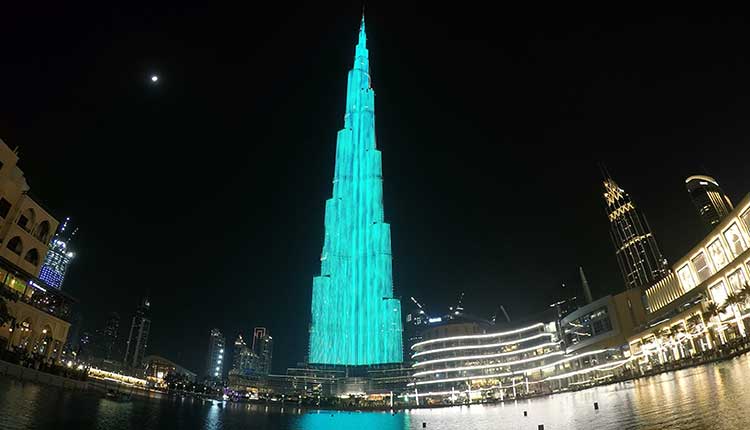
Recent events, including missile attacks and the resulting damage to infrastructure, have heightened fears among investors. Reports confirm that a building in the Palm Jumeirah development was struck, leading to injuries and prompting precautionary evacuations of iconic landmarks such as the Burj Khalifa. Additionally, the Iranian military has announced intentions to target US and Israeli installations in retaliation for recent strikes, further escalating tensions in the region. The geopolitical landscape is shifting, and the implications for Dubai's real estate market could be significant, depending on the trajectory of the conflict.
As observers monitor the situation, the potential for a prolonged conflict raises questions about the future of investment in Dubai's property market. The death of Supreme Leader Ayatollah Ali Khamenei has added another layer of complexity to the situation, with discussions about potential successors already underway. Investors will likely remain vigilant, weighing the risks against the historical appeal of Dubai as a secure investment destination. In conclusion, while immediate price declines may not be expected, the overall outlook for Dubai's real estate sales is increasingly uncertain as the region grapples with ongoing conflict and its repercussions on investor confidence.