
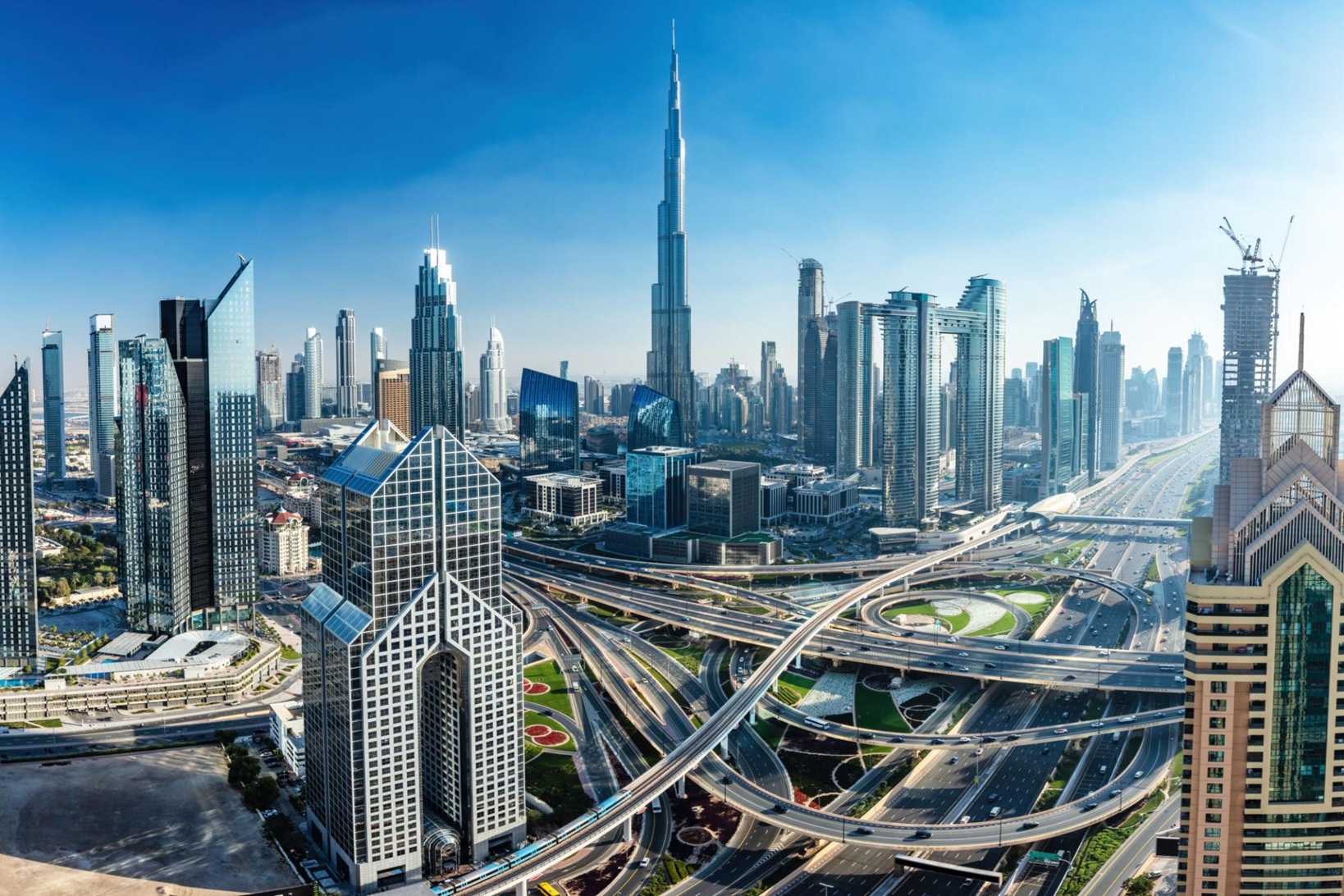
Dubai's real estate market is currently under scrutiny due to escalating tensions in the Gulf region, particularly following recent attacks that have affected the UAE. Concerns about investor confidence have emerged, yet a recent report from Anarock suggests that the foundational strength of Dubai's property market remains robust. Despite geopolitical shocks often inducing a cautious approach from investors, the emirate's real estate sector entered this period of uncertainty from a position of considerable strength. In 2025, Dubai achieved a record AED 917 billion (approximately $250 billion) in real estate transactions, with over 270,000 deals finalized. This period saw residential properties dominate the market, with nearly 200,000 transactions valued at AED 538 billion, and prices soaring by 60-75% since 2021, marking one of the most vigorous post-pandemic housing cycles globally.
Geopolitical tensions typically lead investors to adopt a 'wait-and-watch' mindset, particularly concerning off-plan and speculative investments. While the recent incidents have caused minimal physical damage, they have instilled a sense of psychological caution among international buyers, resulting in a temporary moderation of transaction activity without immediate price corrections. Furthermore, prolonged instability could impact tourism-driven revenues in the region. The Middle East's tourism sector, valued at around $367 billion annually, may experience a reduction of 23-38 million visitors, potentially leading to a revenue decline of $34-56 billion. Although the immediate effects would likely be felt in short-term rentals, hospitality, and retail assets within tourist-centric areas, Dubai's substantial expatriate population continues to bolster housing demand.
The appeal of Dubai’s real estate market is enhanced by its diverse global investor base, with purchasers hailing from over 150 countries. Notably, Indian nationals represent the largest foreign investor group, contributing 20-22% of all property acquisitions. The attractive rental yields, ranging from 6-9%, alongside the UAE dirham's peg to the US dollar, further solidify the city’s allure. Additionally, Indian-origin developers are increasingly establishing their presence in Dubai’s property landscape, contributing 8-10% of the development pipeline. Prominent firms such as Sobha Realty, Danube Properties, Shapoorji Pallonji Real Estate, and Casagrand are launching premium residential projects, complementing the offerings from local heavyweights like Emaar and DAMAC.
Dubai has historically demonstrated resilience through various property cycles, rebounding robustly even after significant downturns, such as the 2008 financial crisis, which saw prices fall by 50-60%, and the period from 2014 to 2019, which experienced a 25-30% decline. Even the disruptions caused by the COVID-19 pandemic were met with a recovery within 12-18 months, showcasing the sector's capability to bounce back once investor confidence is restored. While short-term caution may prevail, the structural strengths of Dubai, including its diverse investor base, policy adaptability, and status as a global financial hub, are expected to ensure long-term stability. As regional stability returns, investor confidence and transaction activity are likely to normalize swiftly, reaffirming Dubai’s status as a preferred destination for international property investments.