
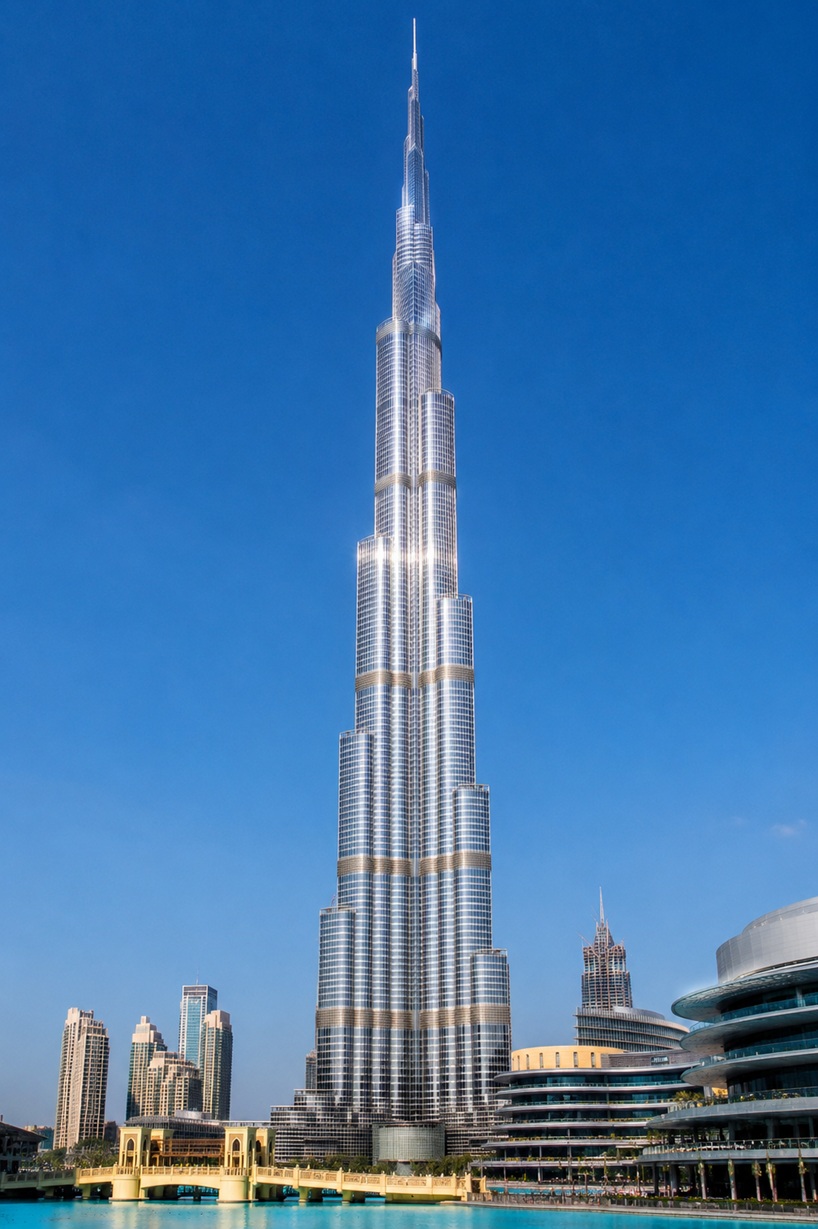
Despite ongoing geopolitical tensions in West Asia, Dubai's residential property market continues to attract buyers, particularly those seeking value amidst a recent price correction. Industry experts indicate that, while investor activity has been tempered by caution, the market's fundamentals remain sound. Investors are selectively purchasing properties, viewing current price adjustments as advantageous opportunities rather than deterrents. This sentiment reflects a broader trend where market corrections are often seen as a strategic entry point for savvy investors.
Gulam Zia, international partner and senior executive director at Knight Frank India, emphasized that the geopolitical issues affecting the region have primarily influenced investor sentiment, rather than leading to a fundamental breakdown in the market. He noted a distinct interest from affluent, globally minded investors who are capitalizing on the current phase of price moderation. Concurrently, Amit Goenka, chairman of Nisus Finance, observed that the market is experiencing two diverging trends: a slowdown in overall investor activity, contrasted with high-net-worth individuals (HNWIs) actively pursuing discounted properties from established developers. This duality underscores the complex dynamics at play within Dubai's real estate environment.
During the height of the West Asia conflict, investor activity noticeably declined, with the Dubai Financial Market’s Real Estate Index experiencing a significant drop. However, this downturn has opened up opportunities, with properties now available at discounts ranging from 12% to 15%. Aayush Puri, CEO of Anarock Channel Partners, noted that both cautious and opportunistic investors are engaging with the market, with many from Asia and Europe drawn by the potential for project-specific price corrections. This strategic interest is indicative of a market that, despite external pressures, continues to evolve and attract diverse investment.
Several factors contribute to Dubai's sustained appeal for property investors amidst regional unrest. Goenka highlighted the city’s attractive net rental yields, which range from 5% to 9%, coupled with the absence of income tax, ensuring currency stability due to the AED-dollar peg. Additionally, the recent easing of eligibility requirements for Dubai's two-year real estate investor visa has opened the doors for new entrants. The combination of these elements not only fortifies investor confidence but also positions Dubai as a resilient market capable of weathering external challenges. As the situation evolves, the continued interest in Dubai's property market underscores its status as a premier investment destination.