
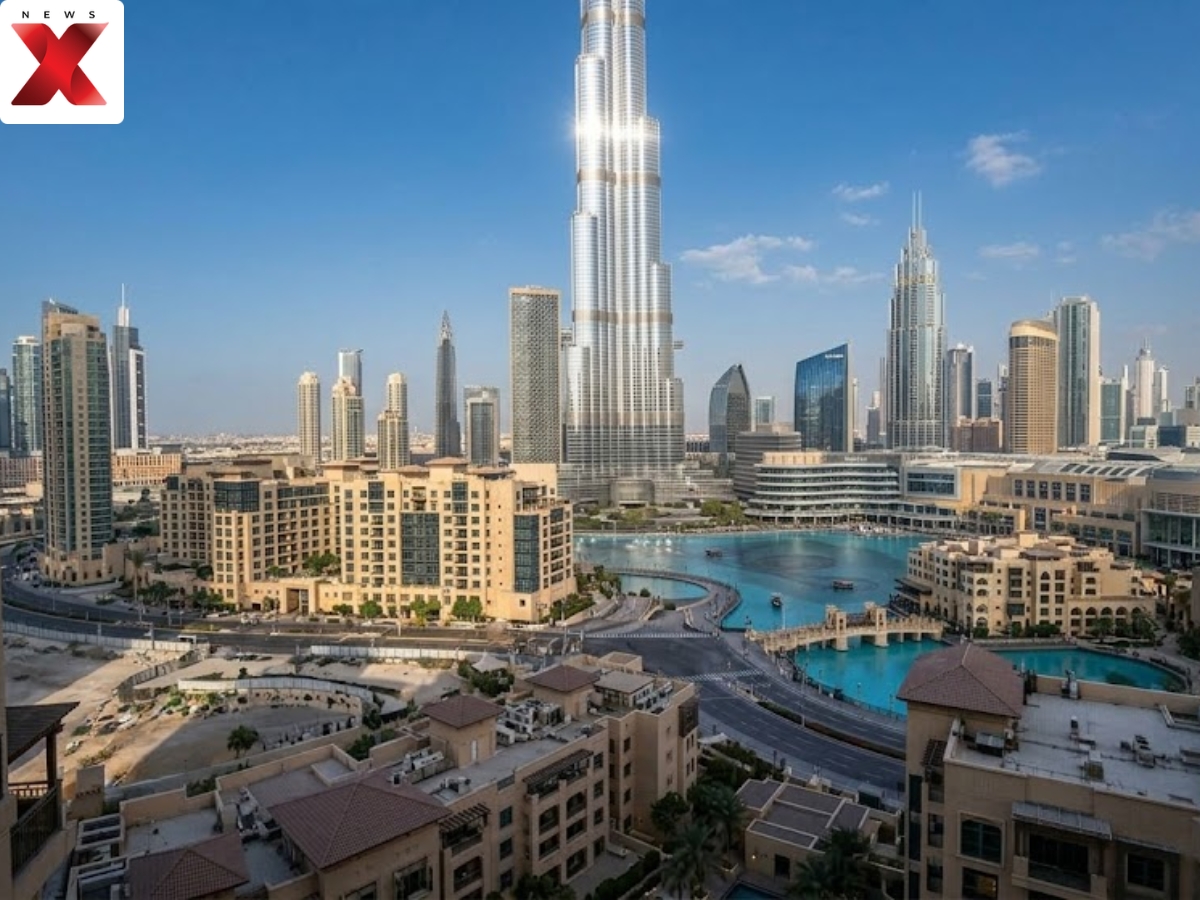
As geopolitical tensions escalate, particularly in the context of the recent US-Israel war on Iran, Dubai's real estate market is beginning to exhibit signs of a potential slowdown. Recent analyses indicate a notable decline in transaction volumes, with reports suggesting a staggering 49% decrease month-over-month and 37% year-over-year in the first twelve days of March, according to Goldman Sachs. These figures raise concerns among investors and stakeholders about the resilience of a market that has historically thrived on foreign investment and tourism. The situation appears to be exacerbated by anecdotal evidence from real estate professionals indicating that price reductions of 12-15% are becoming increasingly common across key areas, including the prestigious Burj Khalifa and Palm Jumeirah.
In light of these developments, the market's response has been varied. For instance, listings near iconic landmarks have seen significant discounts, with one property close to the Burj Khalifa being offered for $650,000 — a 12% reduction from its original asking price of $735,000. Similarly, an off-plan apartment in Palm Jumeirah was reported to be available at a 15% discount, bringing its price down to approximately $2 million. Such price adjustments are indicative of a broader trend as sellers look to navigate the uncertainties created by the ongoing conflict. Despite these challenges, some market participants remain optimistic, asserting that transaction activity has not entirely ceased, and concerns over panic selling may be overstated.
Historically, the UAE has attracted wealthy expatriates thanks to its tax-free environment, driving demand for luxury real estate. However, the current geopolitical climate represents a significant test for the market. The share prices of major developers, such as Emaar Properties, have fallen over 26% since the onset of the conflict, underscoring investor apprehension about future growth prospects. While the median transaction price has only dipped by about 3% compared to last year, the overall value of completed transactions has plummeted, casting a shadow over the market's resilience. Analysts at Citi have revised their growth forecasts, projecting a mere 1% population increase in Dubai for the current year, down from previous estimates, with further implications for real estate values expected over the coming years.
Despite the prevailing uncertainties, some real estate executives emphasize that market activity continues, albeit at a more cautious pace. Imran Sheikh, chairman and founder of BlackOak, noted that while perceptions of risk may vary among investors, the data paints a clear picture of a market in transition. As the situation evolves, stakeholders in Dubai's real estate sector will need to closely monitor economic indicators and geopolitical developments to assess their impact on property values and overall market dynamics. The unfolding scenario serves as a reminder of the interconnectedness of global events and local markets, highlighting the need for adaptability and strategic planning in real estate investments.