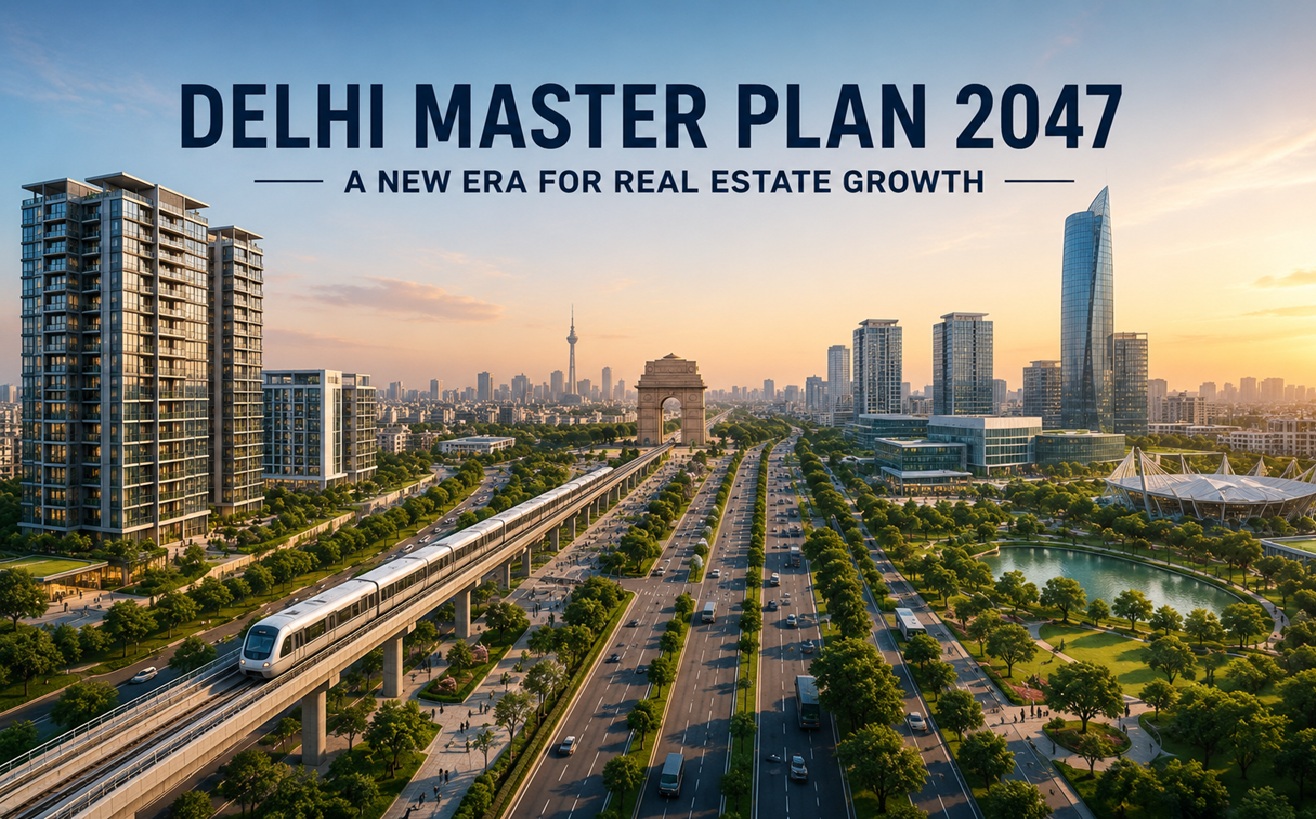
The recent approval of the Delhi Master Plan 2047 (MPD 2047) by Lieutenant Governor Taranjit Singh Sandhu marks a significant turning point for Delhi's real estate landscape. This ambitious blueprint is designed to accommodate a projected population of 32 million by the year 2047, which necessitates the construction of nearly 4 million additional housing units. The plan is not solely focused on increasing housing supply; it aims to integrate residential areas with transportation, infrastructure, employment opportunities, and environmental sustainability. By doing so, MPD 2047 seeks to foster a holistic approach to urban growth, potentially revitalizing the capital’s real estate market and stimulating various sectors including affordable housing, redevelopment, and commercial development.
For stakeholders in the real estate sector, the implications of MPD 2047 are profound. The plan emphasizes redevelopment and transit-oriented development (TOD), which could transform underutilized urban land into thriving residential and commercial hubs. However, the successful realization of this vision hinges on effective implementation, regulatory clarity, and timely government approvals. Real estate experts caution that the impact of the Master Plan will ultimately depend on how quickly and efficiently these initiatives are executed. As such, the focus must be on creating a regulatory environment that encourages investment and development while also prioritizing sustainability and livability.
Historically, much of the National Capital Region's (NCR) housing growth has occurred outside of Delhi due to stringent regulations and a scarcity of developable land within the city. MPD 2047 aims to mitigate these challenges by introducing updated policies that could enhance housing supply and promote high-density residential development. Experts, including Harsh Vardhan Bansal, President of NAREDCO Delhi, assert that meeting the demand for additional housing will require a skilled construction workforce, thereby generating significant employment opportunities across various sectors such as construction, engineering, and architecture. Bansal emphasizes the need for planned, efficient development strategies that integrate affordable housing with public transport to alleviate congestion and improve travel times.
In his remarks, Sandhu stated that the new Master Plan is set to establish a framework for sustainable and inclusive urban growth, enhancing the overall quality of life for Delhi's residents. The goal is to streamline project approvals and reduce bureaucratic hurdles, thereby fostering a more business-friendly environment. As the DDA transitions from the previous Master Plan 2021 to the newly minted MPD 2047, the focus will be on ensuring that future developments align with the city's long-term vision for growth, sustainability, and improved living conditions for all citizens. The success of this plan will not only reshape Delhi's real estate market but also play a pivotal role in defining the urban landscape of the capital for generations to come.

