
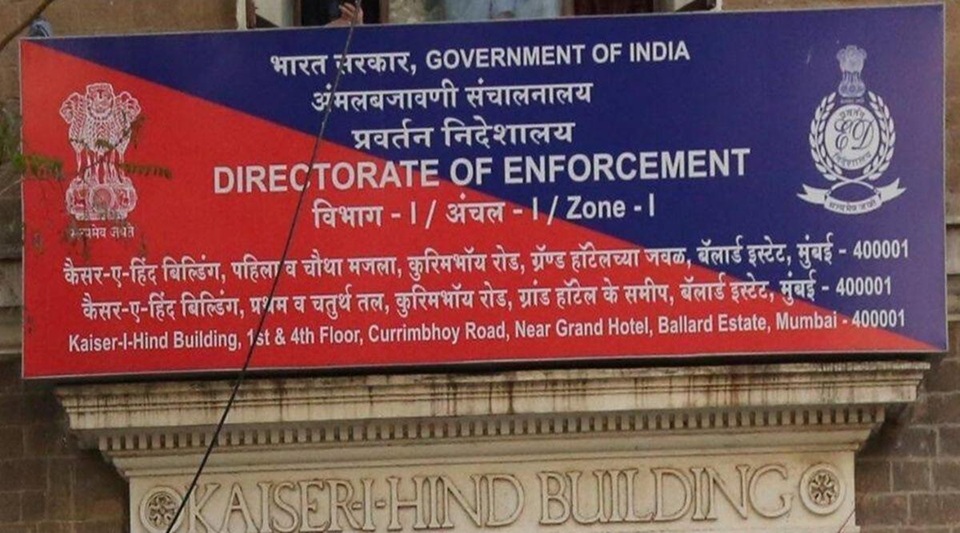
In a recent address during the 70th 'ED Day' event in New Delhi, Enforcement Directorate (ED) Director Rahul Navin reported a notable decrease in financial crimes, particularly in bank frauds, corporate scams, and real estate-related offenses. This decline, he attributed to sustained action by investigative agencies and significant government initiatives, marks a shift in the agency's focus towards emerging threats in the financial crime landscape. Navin emphasized that the agency is now prioritizing investigations into cryptocurrency fraud, cyber-enabled crimes, terror financing, and narcotics trafficking, reflecting a proactive approach to evolving criminal activities.
Navin highlighted the ED's increased operational capabilities, noting that the agency filed a record number of charge sheets in the last fiscal year. With a conviction rate of 94 percent, the ED has demonstrated its effectiveness in combating financial crime. The agency's aggressive stance is evident in its response to complex money laundering cases, which often involve cross-border transactions and intricate financial structures. The implementation of landmark reforms such as the Insolvency and Bankruptcy Code and the Real Estate Regulation and Development Act has created a more robust regulatory environment, contributing to the observed decline in traditional financial frauds.
The ED director underscored the complexities of modern money laundering investigations, which require advanced technological engagement and international collaboration. As financial crimes evolve, the agency is adapting its strategies and focusing on high-priority areas like narcotics-related investigations. Navin cited the agency's response to the Red Fort blast case as a critical example of its heightened vigilance against the money laundering aspects of terrorism and espionage. This case exemplifies the ED's commitment to tackling financial crimes that intersect with national security issues.
In terms of statistical achievements, the ED filed 812 charge sheets under the Prevention of Money Laundering Act (PMLA) during the last fiscal year, nearly doubling the number from the previous year. This surge reflects the agency's intensified efforts and commitment to maintaining accountability in financial dealings. The ED's proactive measures, coupled with legislative reforms, have established a framework conducive to reducing financial fraud, thereby fostering a more secure economic environment in India. Moving forward, the agency will continue to navigate the complexities of financial crime, ensuring that it remains at the forefront of protecting the nation's financial integrity.