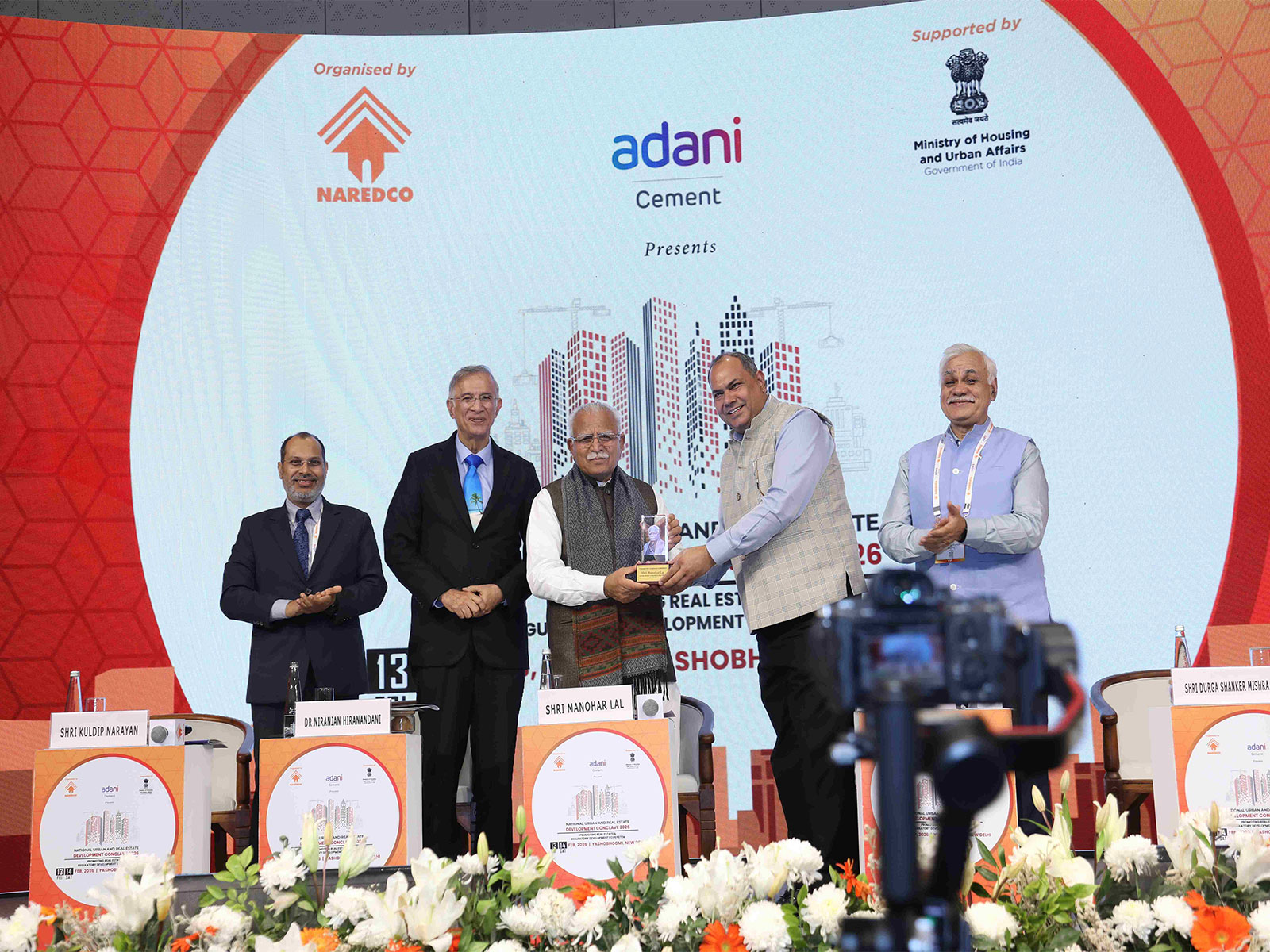
In a recent address at the NAREDCO Conclave 2026, Union Housing and Urban Affairs Minister Manohar Lal Khattar emphasized the government's commitment to enhancing funding mechanisms for affordable housing. Khattar proposed the establishment of charitable institutions aimed at generating financial support specifically for the affordable housing sector. This initiative comes in response to the reluctance of banks and financial entities to invest in housing units designed for lower-income groups. By leveraging corporate social responsibility (CSR) contributions, these institutions could provide much-needed resources for housing projects that cater to the economically weaker sections of society.
Khattar's proposal includes the creation of a dedicated fund to address the financing of stalled housing projects that predate the implementation of the Real Estate (Regulation and Development) Act, or RERA. This fund aims to facilitate a resolution beneficial to both developers and prospective buyers, thus revitalizing projects that have been stalled for various reasons. The Union Minister acknowledged the importance of collaborative efforts among government stakeholders to develop a robust policy framework that can effectively tackle the challenges faced in this sector. Such measures are crucial for transforming the landscape of affordable housing in the National Capital Region (NCR).
Additionally, Khattar highlighted an initiative to improve conditions in approximately 700-750 slum settlements surrounding the National Capital Territory (NCT). A comprehensive policy is under consideration to address the living conditions in these areas, which is part of a broader commitment to enhance housing accessibility. The suggestions made by NAREDCO, including expanding the size of the SWAMIH fund to support stalled projects, underscore the urgency of addressing the housing crisis. The establishment of a dedicated financing mechanism for projects sanctioned prior to RERA was also discussed, with details on fund size to be determined after consultations.
While Khattar acknowledged the need for affordable housing, he also noted the challenge of providing cheaper land for such projects. He proposed that cross-subsidization could be a potential solution, contingent on reaching a consensus among stakeholders. Kuldip Narayan, Joint Secretary of the Ministry of Housing and Urban Affairs, further indicated that there are opportunities to repurpose vacant land parcels and unused buildings in major cities for housing development. The government is actively exploring these options as part of its ongoing efforts to enhance rental housing solutions. Niranjan Hiranandani, Chairman of NAREDCO, reinforced the notion that while significant progress has been made in prioritizing housing in India's economic framework, additional efforts are essential to ensure that these initiatives translate into tangible outcomes for citizens in need of affordable housing.