
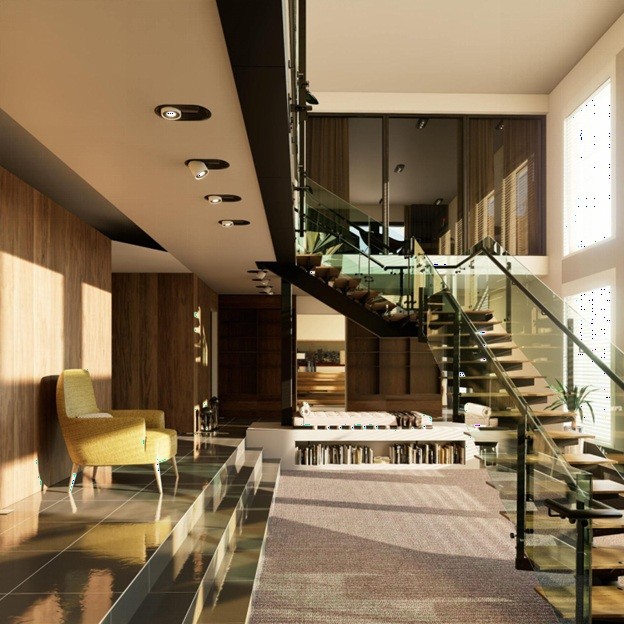
Luxury housing is no longer about large homes, expensive interiors, and prime locations. Over the last few years, technology has started becoming one of the biggest symbols of modern luxury. Today, wealthy buyers are looking for homes that are not just beautiful but also intelligent. From voice-controlled lighting to AI-powered security systems, smart technology is changing the way luxury homes are designed and experienced. The biggest shift is convenience. Modern buyers now expect homes to respond to their lifestyles. In many premium properties, the lights adjust to natural daylight, curtains open via voice commands, and the air conditioning learns the owner's daily routine. This growing demand is transforming the global smart home market. Artificial intelligence is also changing home security. Luxury homeowners are increasingly opting for AI-based cameras, facial recognition entry systems, and smart surveillance tools that can detect unusual movement in real time. These systems not only improve the safety but also create a stronger sense of comfort and privacy. As a result, AI in real estate is becoming a major part of new luxury developments.
Another major trend is energy efficiency. Smart homes today can monitor electricity use, automatically control appliances, and reduce unnecessary power consumption. In many high-end residential projects, buyers are now selecting homes that combine luxury with eco-friendly features. Health and wellness have also entered the luxury conversation after COVID. Premium homes are now being designed with smart air purification systems, touchless controls, temperature monitoring, and wellness-based spaces. Developers are increasingly using technology to create healthier indoor living environments. The rise of remote work has further boosted this shift. Wealthy professionals now want intelligent workspaces inside their homes. Smart meeting rooms, automated lighting for video calls, sound-controlled systems, and high-speed digital connectivity have become important elements in modern luxury housing.
Developers are responding quickly to this demand. Across cities like Dubai, Singapore, London, New York, and Mumbai, new projects are positioning themselves as tech-based living spaces rather than just premium residences. This has increased investment in the luxury real estate sector focused on smart living experiences. At the same time, technology is changing buyer expectations. Many younger buyers now see automation and AI as integral to luxury rather than optional features. Homes that offer convenience, security, wellness, and sustainability together are becoming more desirable than traditional luxury properties. The future of luxury housing is no longer about size and status. It is about how intelligently a home can support daily life.