
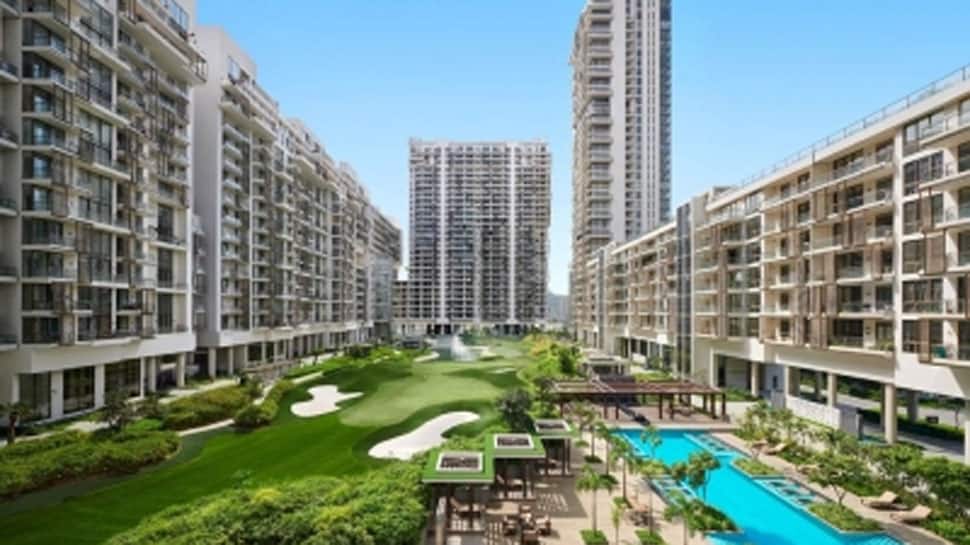
Bengaluru, often referred to as the Silicon Valley of India, is poised for a significant rise in housing prices, with projections indicating an increase of up to 40% in certain areas. A recent report by Colliers emphasizes that the city's robust economic growth, largely driven by its thriving technology sector since the 1990s, is set to accelerate further due to ongoing infrastructure development. As the city continues to attract tech talent and multinational corporations, the demand for real estate is expected to surge, further propelling housing prices upward.
The report underscores the pivotal role of infrastructure development in facilitating this growth. Key projects, such as the expansion of roads, expressways, and the Metro system, are crucial in alleviating traffic congestion and unlocking new real estate corridors. The existing Metro network, which includes various lines at different stages of completion, is anticipated to significantly influence future demand for residential and commercial properties. Notably, the operational Yellow Line has enhanced connectivity to major employment hubs like Electronic City, while the forthcoming Pink Line is expected to improve access to central and southern regions of the city, thereby reshaping the real estate landscape.
In addition to the residential sector, the demand for office space is projected to increase substantially in prominent micro-markets such as the Central Business District (CBD) and the Southern Business District (SBD) 2. Over the next two years, Colliers estimates that demand could reach as high as 7 million square feet, with rental prices likely to rise by 5-10%. The residential market is already experiencing strong momentum, with key locations seeing housing prices projected to inflate by 40% due to enhanced connectivity and increased developer activity. This surge is indicative of the broader trend of urbanization and economic growth in Bengaluru, positioning it as one of the fastest-growing real estate markets in India.
Looking ahead, the anticipated Blue Line, which will connect the Outer Ring Road with Kempegowda International Airport, is expected to further unlock real estate potential in North Bengaluru. This development is likely to reinforce the city’s reputation as a high-growth, infrastructure-led market. As the city continues to evolve and expand, stakeholders in the real estate sector should remain vigilant and adaptable to the changing dynamics of the market, ensuring they are well-positioned to capitalize on the opportunities that lie ahead.