
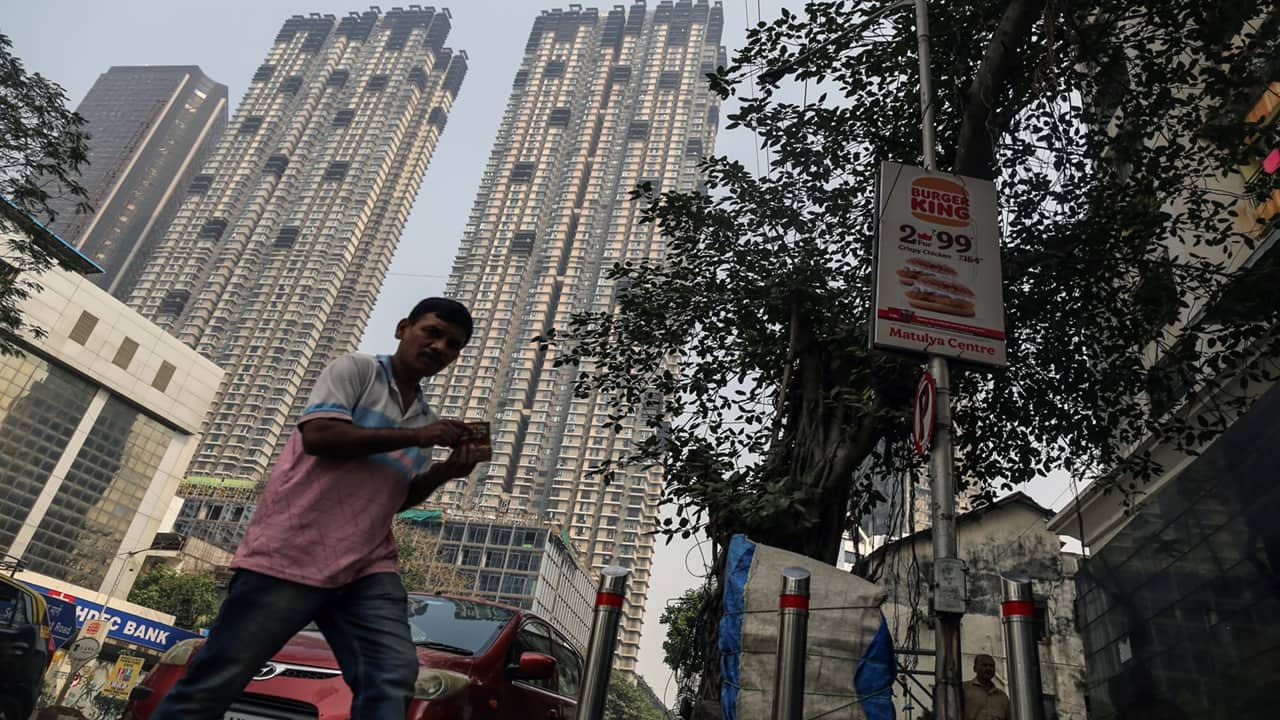
The residential real estate market in India is exhibiting signs of a slowdown, particularly in key regions such as the National Capital Region (NCR) and Pune, according to recent data from real estate consultancy Knight Frank India. The analysis highlights a decline in overall sales, marking a notable shift from the previous post-pandemic growth period. In the March quarter, sales across the top eight markets fell by 4 percent, totaling 84,827 units, while new launches continued to outpace sales, further complicating the market dynamics. This trend has raised concerns among industry experts who are closely monitoring the evolving landscape.
Knight Frank attributes this downturn to a combination of factors, including market fatigue following an extended bull run that spanned nearly four years and the impact of geopolitical tensions, specifically the ongoing conflict in Iran. Gulam Zia, Knight Frank's international partner and senior executive director, remarked on the cyclical nature of real estate, suggesting that the market had reached its peak and was ripe for correction. The report also noted a significant increase in unsold inventory, which rose by 3 percent to nearly 520,000 units, with the time required to sell these units extending to an estimated six quarters. The NCR and Pune have been identified as particularly stressed markets, with sales declining by double-digit percentages.
Despite the overall decline, there are pockets of resilience within the market. Bengaluru, often regarded as India's technology hub, experienced a 7 percent increase in home sales during the same period, defying broader market trends. This growth comes amidst concerns regarding layoffs in the tech sector, including major companies like Oracle. Industry analysts suggest that the appeal of Bengaluru's real estate market remains strong, driven by the demand from global capability centers and emerging opportunities in artificial intelligence. Shishir Baijal, chairman and managing director of Knight Frank India, emphasized that while the market is showing signs of slowing, the overall sales decline is marginal, warranting a cautious approach in drawing conclusions about longer-term trends.
Looking ahead, experts remain cautious about the implications of current market conditions. The impact of external factors such as geopolitical tensions and stock market corrections cannot be understated, as they may continue to influence buyer sentiment. Baijal noted that it is premature to make definitive judgments about the market's trajectory, urging stakeholders to monitor developments closely. With gross office leasing in India projected to reach around 100 million square feet by the end of 2026, the future of the real estate landscape will depend on how well the market adapts to these shifting dynamics and the underlying demand for residential and commercial properties across the country.