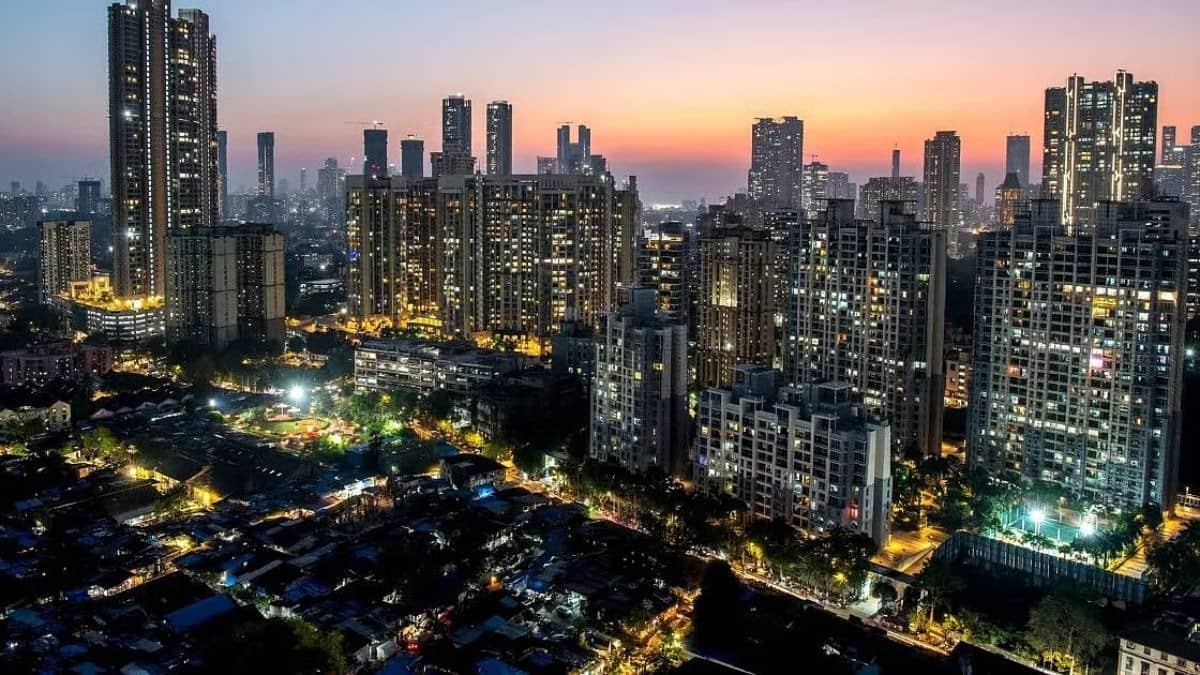
The luxury residential property markets in India have gained significant recognition on the global stage in 2025, as evidenced by the latest findings from Knight Frank's Prime International Residential Index (PIRI 100). Bengaluru and Mumbai have made remarkable strides, with Bengaluru leaping from 40th to 8th place globally, reporting a notable year-on-year price increase of 9.4%. Meanwhile, Mumbai has also shown impressive growth, moving up to 10th place from 21st in the previous year. This rise has been bolstered by a surge in sales of newly constructed homes priced above USD 2 million. Additionally, Delhi has improved its status, ascending to 17th place with a 6.9% uptick in property prices.
The report highlights a crucial aspect of the luxury property market; a stronger US dollar has diminished its purchasing power in India’s leading metropolitan areas. In Mumbai, for instance, USD 1 million now secures only 96 square meters of prime real estate, a slight decline from 99 square meters in 2024. Conversely, in Delhi, the same investment buys 205 square meters, while in Bengaluru, it allows for the acquisition of 357 square meters. The depreciation of the Indian Rupee by approximately 5.4% has not deterred the rapid appreciation of property prices, which rose by 8.7% in Mumbai, 6.9% in Delhi, and 9.4% in Bengaluru. This price surge effectively negates any currency advantages that dollar-based investors might have had.
Globally, Monaco continues to hold the title as the most expensive real estate market, where USD 1 million only purchases about 16 square meters of property, followed closely by Hong Kong at 23 square meters and Geneva at 28 square meters. Notably, Tokyo has emerged as a leader in price growth, experiencing a staggering 58.5% increase, while Dubai maintains its status as a high-growth market with a 25.1% rise in property values. These trends indicate a competitive landscape for luxury real estate across various global markets.
Shishir Baijal, Chairman & Managing Director of Knight Frank India, attributes these developments to the increasing number of High-Net-Worth Individuals (HNWIs) amidst a robust Indian economy. He emphasized that India is strategically positioned for sustained growth in luxury real estate, driven by the influx of capital and changing lifestyle demands. As the market continues to evolve, it presents a significant opportunity for investors looking to capitalize on the country's expanding luxury property sector.