
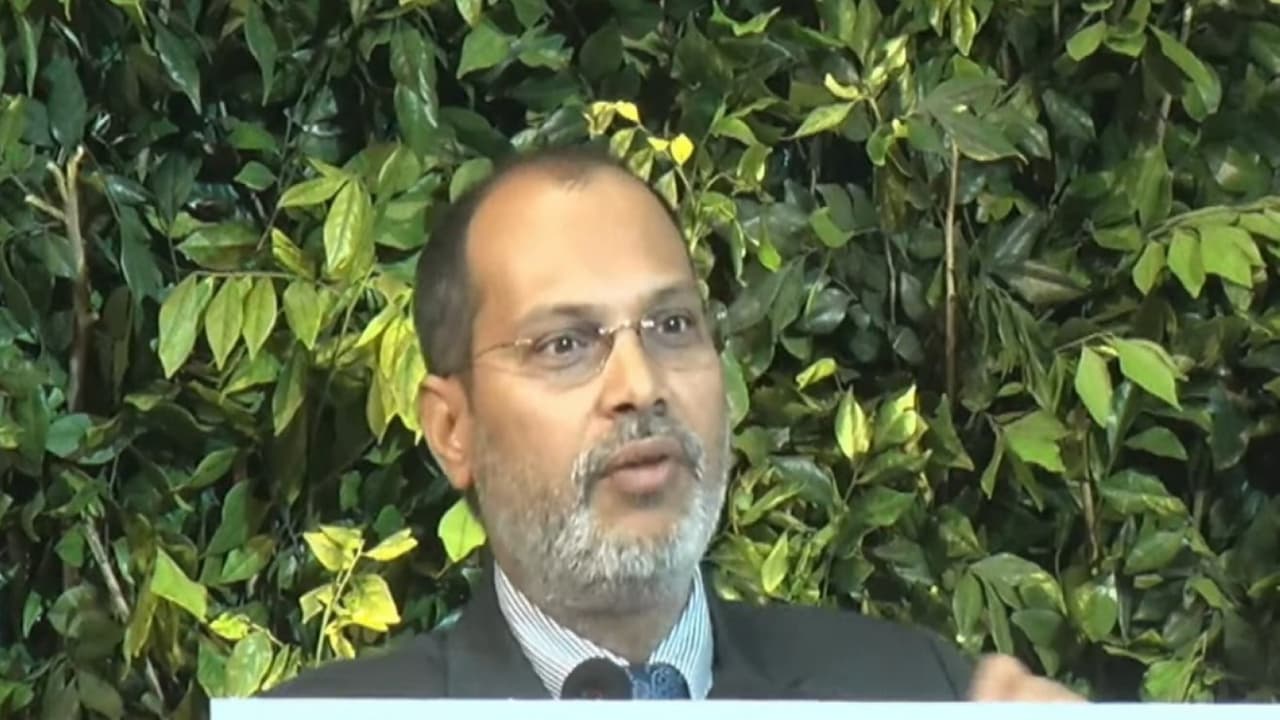
India's urban landscape is on the brink of a significant transformation, necessitating a shift towards artificial intelligence-led oversight in real estate regulation. Kuldip Narayan, Joint Secretary at the Ministry of Housing and Urban Affairs (MoHUA), highlighted the urgency of adapting to an urban population projected to swell from approximately 50 crore today to nearly 80 crore by 2050. With such rapid urbanization looming, integrated planning and technology-driven transparency emerge as critical components in managing this expansion effectively.
During the National Urban & Real Estate Development Conclave, Narayan emphasized that over half of the built-up space required by 2050 has yet to be constructed. He stressed that the approach towards urban development must evolve to include not just housing but also public transport and urban planning as part of a cohesive framework. Treating these elements separately, he argued, constitutes a significant oversight in urban policy. For the burgeoning population, the establishment of resilient and sustainable urban services will become fundamental to ensure quality of life and effective management of resources.
Furthermore, Narayan pointed out that the efficiency of land markets is crucial for facilitating this transition. Many urban areas are hampered by regulatory constraints and market inefficiencies, leading to a situation where land constitutes over 50% of total project costs in some cities. This reality renders housing unaffordable for many and stifles supply. He advocated for a robust institutional regulatory framework that fosters development rather than merely regulating it, alongside improved access to long-term capital to support the creation of housing and infrastructure.
As India aims for a 'Viksit Bharat' by 2047, Narayan underscored the importance of a collective effort among society, government, and industry stakeholders to prepare for the challenges ahead. The evolution of real estate regulation is also essential, with a call for a more advanced digital transformation. While the Real Estate Regulation and Development Act (RERA) has laid down a foundation through reforms like registration and grievance redressal mechanisms, there remains a pressing need for further digitalization. Narayan highlighted the limitations of existing data, which is often static and PDF-based, advocating for machine-readable formats to enhance accessibility and utility. This comprehensive approach towards urban planning and regulatory oversight is vital for managing India's unprecedented urban expansion effectively.