
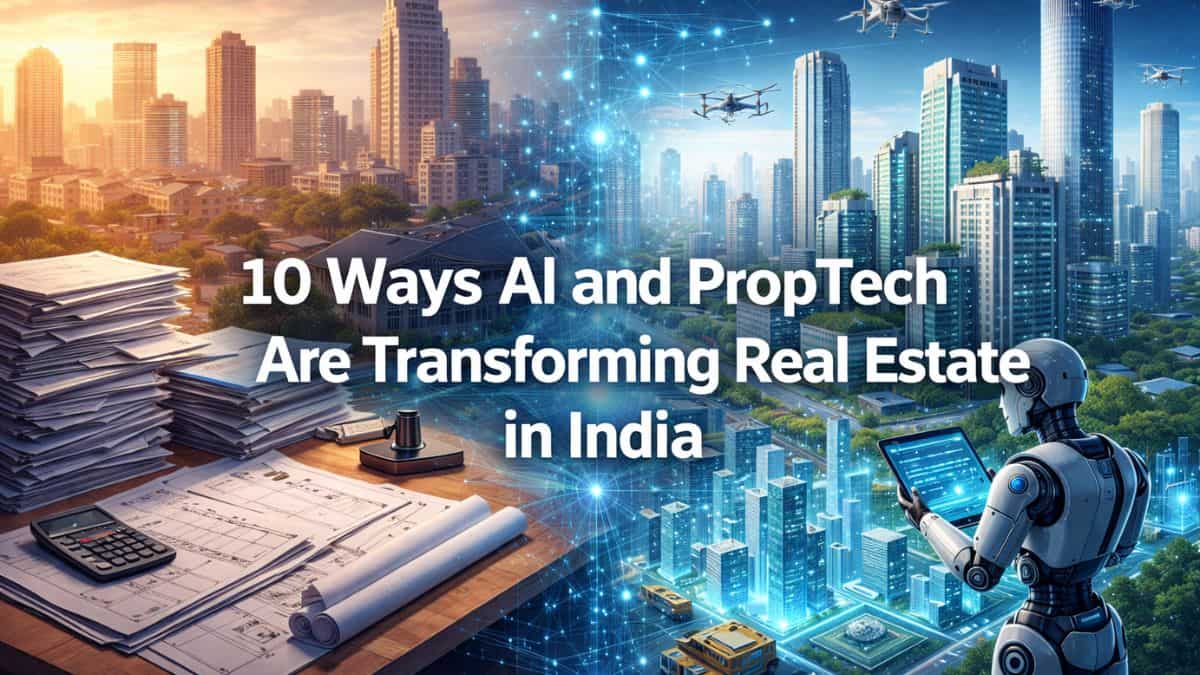
Artificial intelligence (AI) and property technology (PropTech) have transitioned from emerging concepts to essential components of India's real estate landscape, as detailed in the joint report by KPMG and NAREDCO titled "The Role of Real Estate in Viksit Bharat @2047." This report underscores how these technologies enhance efficiency, transparency, and sustainability within the sector. By incorporating digital governance, AI-driven operations, and innovative construction methodologies, the entire real estate lifecycle—from approvals to asset management—is undergoing a significant transformation.
The integration of digital tools has streamlined processes that were once cumbersome and time-consuming. For instance, lease management has evolved dramatically, with AI systems capable of reviewing extensive contracts in mere minutes, identifying key clauses and potential risks. This not only expedites the leasing process but also enhances accuracy and reduces human error. Similarly, tenant screening has become more objective and reliable, as AI evaluates financial behaviors and risk profiles, thereby minimizing the likelihood of defaults in both commercial and residential properties. This shift towards data-driven decision-making marks a significant improvement over traditional methods that often relied on subjective assessments.
In addition to enhancing operational efficiencies, AI is also transforming building management. Modern buildings equipped with AI-powered systems can optimize energy consumption in real-time, adjusting lighting and climate control based on occupancy levels and external weather conditions. This evolution from static energy usage to smart, self-optimizing environments not only lowers operational costs but also contributes to sustainability goals. Furthermore, predictive maintenance facilitated by Internet of Things (IoT) technology has revolutionized asset management. By anticipating equipment failures before they occur, property managers can significantly reduce downtime and repair costs, thereby extending the lifespan of critical systems.
On a broader scale, initiatives like the Online Building Permission System (OBPS) have digitized approval processes, minimizing bureaucratic delays and enhancing transaction transparency. This digital shift is complemented by the digitization of land records and Aadhaar linkage, which streamline dispute resolution and reduce the risk of fraud. The integration of platforms like PM GatiShakti and the Unified Logistics Interface Platform (ULIP) further enhances operational efficiency by consolidating infrastructure data and improving supply chain visibility. As blockchain technology emerges, it is set to disrupt conventional ownership models, paving the way for more secure and transparent property transactions. In summary, the interplay of AI and PropTech is not just reshaping operational practices but is also laying the groundwork for a more efficient, transparent, and sustainable future in India’s real estate sector.