

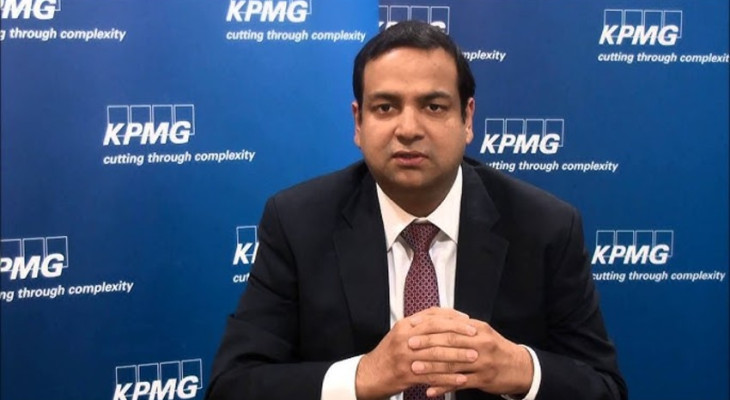
India's affordable housing crisis is a multifaceted issue that extends beyond merely rising land prices. According to Neeraj Bansal, Senior Partner and Head of India Global at KPMG India, the challenges are compounded by escalating construction costs, inadequate infrastructure, and insufficient policy support. To effectively tackle the affordability dilemma, a collaborative effort between the government and the real estate industry is essential. Isolated measures will not suffice to address the complex dynamics at play in the housing sector.
Bansal has emphasized that the pandemic has amplified the affordability issue, positioning it as one of the most pressing structural concerns within the real estate market. While technology can enhance operational efficiencies, the long-term solutions hinge on strategic urban planning, improved connectivity, and the establishment of a conducive policy framework. A comprehensive approach is vital for ensuring that housing remains accessible to a significant portion of the population.
The supply gap in affordable housing has widened considerably over the years. Data from the Economic Survey 2025-26 reveals a decline in affordable housing’s share of residential launches from over 50% in 2018 to less than 20% today, underscoring the urgency of the situation. Rising land, construction, and labor costs since the pandemic have exacerbated the affordability challenge, according to Bansal. Developers are encouraged to leverage technology and adopt a manufacturing-style approach to construction. By implementing faster execution methods, standardized designs, and scalable projects, developers can improve efficiencies and help mitigate some of the cost increases, although these measures alone cannot fully offset the impact of rising land prices.
To enhance housing affordability, Bansal suggests several policy measures, including increasing development density and permitting taller residential buildings wherever planning regulations allow. Such changes could lower the effective land cost per housing unit and render projects more financially viable. Additionally, as India’s urban population is projected to reach approximately 675 million by 2035, the demand for around 78 million additional urban homes by 2036 cannot be overlooked. This anticipated urbanization will likely necessitate the expansion of residential developments beyond current city boundaries. However, Bansal warns that poorly planned expansions could lead to developments lacking essential services, such as schools, hospitals, and public transport, turning them into “ghost towns.” Ensuring that affordable housing projects are integrated with necessary infrastructure and amenities is crucial for their success and sustainability in the long term.